


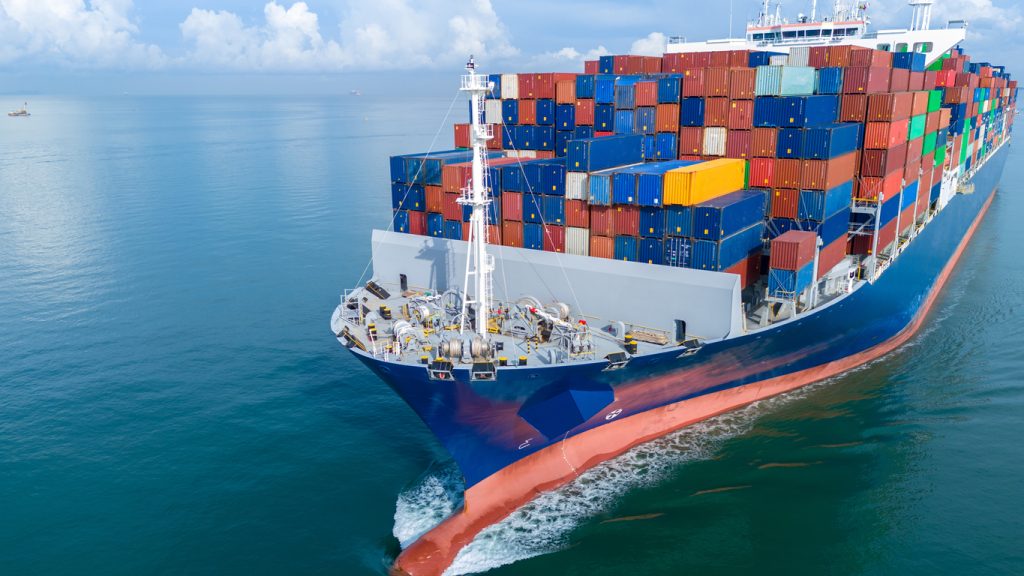
Container tracking solutions in Nigeria are GPS and digital logistics systems used to monitor shipping containers from ports, terminals, and depots to their final destinations. These systems give importers, freight forwarders, and logistics companies real-time visibility of container movement, status, and location.
In major trade and port hubs like Lagos, where most of Nigeria’s import and export cargo flows through seaports and bonded terminals, container tracking has become essential for efficient supply chain management.
What container tracking solutions actually are
Container tracking solutions combine GPS technology, shipping data systems, and logistics dashboards to monitor container movement across land and sea transport stages.
They help businesses:
- Track containers in real time
- Monitor movement from port to warehouse or delivery point
- Improve cargo visibility and planning
- Reduce delays and demurrage charges
- Detect container diversion or delays
- Improve coordination between stakeholders
It creates full visibility across the entire shipping process.
Why container tracking is important in Nigeria
Container logistics in Nigeria can be complex due to port congestion, customs processes, and transport delays.
Common challenges include:
- Delays at ports and terminals
- High demurrage and storage charges
- Difficulty locating containers after clearance
- Poor communication between logistics parties
- Cargo diversion or misplacement
- Inefficient trucking and delivery coordination
Tracking systems help reduce these issues through real-time monitoring.
How container tracking systems work
Modern systems combine GPS devices, container IDs, and digital logistics platforms.
A typical setup includes:
- GPS or IoT tracking devices attached to containers or trucks
- Container number-based tracking systems
- Real-time location updates via mobile networks or satellite
- Central logistics dashboard for monitoring
- Alerts for delays, route deviation, or arrival status
This creates continuous visibility from port to destination.
Key features of container tracking solutions
A strong container tracking system includes more than just location data.
Important features include:
- Live container location tracking
- Port-to-door visibility
- Estimated time of arrival (ETA) updates
- Geofencing alerts for depots and terminals
- Route history and movement logs
- Delay and detention alerts
- Driver and truck assignment tracking
These features improve efficiency and reduce logistics risks.
How tracking reduces port delays and demurrage
One of the biggest costs in container logistics is delay at ports.
Tracking helps by:
- Improving coordination between clearing agents and truckers
- Reducing time containers spend idle at terminals
- Providing early alerts for clearance or pickup
- Helping schedule truck arrivals efficiently
- Avoiding unnecessary storage charges
This significantly reduces operational costs.
Security benefits of container tracking
Containers often carry high-value goods and are vulnerable during transit.
Tracking systems provide:
- Real-time location visibility
- Alerts for unauthorized movement
- Faster detection of diversion or theft
- Monitoring of night-time movement
- Better control over cargo handover points
This improves cargo security across the supply chain.
How container tracking improves logistics efficiency
Efficient container movement depends on coordination.
Tracking helps logistics companies:
- Optimize truck dispatch schedules
- Reduce empty return trips
- Improve warehouse planning
- Coordinate multiple deliveries efficiently
- Minimize delays across the supply chain
This leads to smoother import and export operations.
Common problems solved by container tracking
Without tracking systems, logistics operations often face:
- Missing or delayed containers
- Poor visibility after port release
- High demurrage costs
- Inefficient truck utilization
- Lack of communication between stakeholders
Tracking systems help eliminate these inefficiencies.
Container tracking in Lagos logistics environment
In a major logistics hub like Lagos, where port activity and trucking demand are high, container tracking is critical for operational control.
It helps businesses:
- Monitor containers from Apapa and Tin Can ports
- Improve clearance and delivery coordination
- Reduce congestion-related delays
- Improve supply chain predictability
- Increase delivery reliability across regions
Common mistakes logistics companies make
Some businesses do not fully utilize tracking systems.
Common mistakes include:
- Relying only on manual updates
- Not integrating tracking with logistics planning
- Ignoring delay or deviation alerts
- Poor coordination between clearing agents and transporters
- Lack of real-time monitoring discipline
Proper usage is essential for efficiency.
Integration with logistics systems
Container tracking solutions can integrate with:
- Freight forwarding systems
- Port clearance platforms
- Fleet management tools
- Warehouse management systems
- Supply chain analytics dashboards
This creates a fully connected logistics ecosystem.
How Travo.ng supports container tracking solutions
Modern container logistics requires both tracking technology and operational coordination.
Travo.ng supports businesses through:
- Real-time container and cargo tracking systems
- Logistics coordination across Nigerian transport networks
- Fleet and supply chain visibility tools
- Route optimization and delivery support
- End-to-end cargo movement management
This helps importers and logistics companies improve efficiency and reduce costs.
Final thoughts
Container tracking solutions in Nigeria are essential for managing cargo efficiently across ports, roads, and warehouses. They improve visibility, reduce delays, enhance security, and optimize supply chain performance.
In high-traffic logistics hubs like Lagos, tracking systems help businesses stay competitive and maintain smooth cargo flow from port to destination.
