


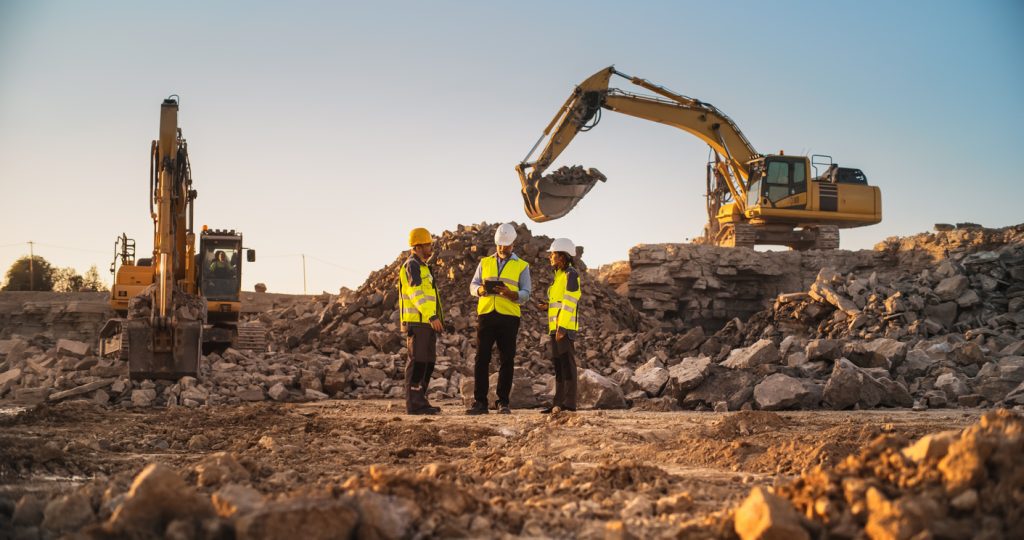
Construction equipment tracker systems in Nigeria are becoming essential for contractors who need to keep track of expensive machines like excavators, bulldozers, cranes, concrete mixers, and generators. Unlike standard vehicle tracking, this is focused on high-value equipment that often moves between sites, stays idle for long periods, or operates in remote locations.
In fast-developing construction hubs like Lagos, where multiple projects run simultaneously across highways, estates, and industrial zones, equipment visibility is now a major operational requirement.
Why construction equipment tracking is now necessary in Nigeria
Construction equipment is expensive, mobile, and often shared across multiple project sites. Without tracking, it becomes difficult to know where machines are or how they are being used.
Common problems contractors face include:
- Equipment disappearing between job sites
- Unauthorized use after working hours
- Delays in returning machines to base
- Fuel wastage from idle or misused equipment
- Difficulty tracking maintenance schedules
- Theft of high-value machinery
These issues can lead to serious financial losses if not properly controlled.
What a construction equipment tracker actually does
A construction equipment tracker is a GPS-based system installed on heavy machines to provide real-time visibility and usage data.
It allows contractors to:
- Track equipment location in real time
- Monitor movement between sites
- Detect unauthorized usage
- View usage history and activity reports
- Set boundaries for approved work zones (geofencing)
- Improve asset accountability across projects
It turns heavy equipment into fully visible, trackable assets.
How construction equipment tracking works
The system uses rugged GPS tracking devices designed for industrial environments.
Here’s how it works:
- A GPS device is installed on the equipment (hidden or secured)
- The device connects to satellites for location tracking
- Data is transmitted via GSM or mobile networks
- Fleet managers access information through a dashboard or mobile app
- Alerts are triggered for movement, tampering, or boundary violations
Some systems are built to withstand vibration, dust, heat, and outdoor conditions common on construction sites.
Equipment types that can be tracked
Tracking systems can be installed on a wide range of construction assets, including:
- Excavators
- Bulldozers
- Pay loaders
- Concrete mixers
- Cranes
- Generators
- Dump trucks
- Compacting machines
Even smaller portable equipment can be monitored depending on the system used.
How tracking improves construction site management
On active sites, multiple machines often operate simultaneously across different zones.
Tracking helps site managers:
- Know which equipment is active at any time
- Assign machines to specific tasks more efficiently
- Reduce downtime between operations
- Prevent unauthorized relocation of equipment
- Improve coordination between teams
This leads to smoother project execution and fewer delays.
Fuel and usage control for heavy equipment
Fuel consumption in construction equipment is often high, and without monitoring, it becomes difficult to control costs.
Tracking systems help:
- Monitor operational hours
- Identify excessive idling
- Track fuel usage patterns
- Reduce misuse of equipment
- Improve efficiency across multiple projects
For large contractors, this can significantly reduce operational waste.
Equipment theft prevention and recovery
Construction equipment theft is a major issue in many urban and semi-urban areas.
Tracking systems help reduce risk by:
- Providing real-time location visibility
- Sending alerts when equipment leaves approved zones
- Helping recovery teams locate stolen assets quickly
- Monitoring after-hours movement
- Deterring unauthorized use
In Lagos and surrounding industrial areas, this is especially valuable for contractors managing multiple sites.
Common mistakes contractors make with equipment tracking
Even with tracking systems installed, some contractors still experience issues due to poor usage.
Common mistakes include:
- Installing trackers in easily accessible locations
- Not enabling geofence alerts
- Ignoring activity reports
- Using non-rugged devices for heavy equipment
- Failing to monitor after-hours movement
- Not integrating tracking into daily site operations
Proper setup and consistent monitoring are critical for effectiveness.
How construction equipment tracking improves project timelines
Delays in equipment availability often slow down construction projects.
Tracking helps contractors:
- Reduce waiting time for machines
- Improve scheduling of equipment across sites
- Avoid duplication or idle time
- Ensure machines are available when needed
- Coordinate logistics more effectively
This improves overall project efficiency and delivery timelines.
How Travo.ng supports construction equipment tracking
Effective equipment tracking is not just about installing devices—it also requires logistics coordination and operational visibility.
Travo.ng supports contractors and businesses through:
- Vehicle and asset tracking solutions
- Logistics coordination across construction sites
- Transport support for equipment movement
- Operational visibility for fleet and machinery management
- Business mobility services across Nigeria
This helps construction companies maintain better control over both vehicles and heavy equipment across multiple sites.
Final thoughts
Construction equipment tracker systems in Nigeria are becoming essential for modern contractors who want better control, improved efficiency, and reduced losses. As construction projects become larger and more distributed, real-time visibility into equipment movement and usage is no longer optional.
In active construction environments like Lagos, tracking systems help ensure machines are used properly, remain secure, and contribute efficiently to project delivery.
