


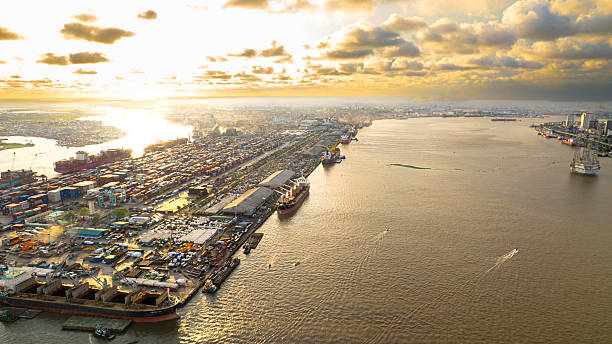
If you’re searching for port charges payable in Naira, you’re dealing with one of the most frustrating parts of importing goods into Nigeria—what happens after your cargo arrives at the port.
Whether your shipment comes through Apapa Port, Tin Can Island, or airport cargo terminals in Lagos, port charges are unavoidable. The good news is that many of these fees can now be paid directly in Naira, depending on how your logistics is structured.
What Port Charges Actually Mean
Port charges are the fees you pay to move your goods out of the port after arrival. They are separate from shipping line or freight costs.
Typical port charges include:
- Terminal handling charges
- Storage or demurrage fees
- Customs processing fees
- Examination and inspection charges
- Documentation and release fees
- Agency or clearing charges (if applicable)
These are the “local costs” that kick in once your cargo lands in Nigeria.
Why Port Charges Are a Big Deal in Nigeria
For many importers, port charges become a surprise expense because:
- Containers stay longer than expected due to clearance delays
- Documentation issues slow down release
- Congestion at Lagos ports increases storage costs
- Customs inspections can extend timelines
Even a few extra days at the port can significantly increase costs.
Why Port Charges Were Traditionally FX-Linked
Even though port operations are in Nigeria, some charges were indirectly influenced by:
- Foreign equipment and systems used at terminals
- Dollar-based shipping line billing structures
- International logistics pricing benchmarks
This made importers think in dollars even after cargo arrived in Nigeria.
What “Port Charges Pay in Naira” Means
When port charges are payable in Naira, it means:
- All local port fees are calculated in Naira
- You can settle payments using Nigerian bank transfers
- No need for dollars or foreign currency conversion
- Clearing and release process becomes smoother
This applies especially when working with structured freight forwarders or logistics companies.
How Port Charges Payment in Naira Works
Here’s how the process usually works:
- Cargo arrives at Lagos port or airport terminal
- Customs assessment and inspection are completed
- Terminal and handling fees are calculated
- Charges are consolidated into a Naira invoice
- You pay locally via bank transfer
- Cargo is released for delivery
Example: Container Clearance at Apapa Port
Let’s say you imported a 20ft container from China:
Traditional experience:
- Multiple separate invoices (some FX-linked)
- Confusing breakdown of charges
- Delays due to payment coordination
Naira-based system:
- One consolidated Naira invoice
- Local payment only
- Faster release of container
- Delivery arranged immediately after clearance
What Affects Port Charges
Several factors influence how much you pay:
- Type of cargo (electronics, textiles, machinery, etc.)
- Container size (20ft vs 40ft)
- Storage duration at the port
- Level of inspection required
- Port congestion and delays
- Customs classification (HS code)
Common Mistakes Importers Make
Avoid these costly errors:
- Delaying clearance and accumulating storage fees
- Not preparing correct documentation early
- Underestimating total landed cost
- Ignoring inspection timelines
- Not using consolidated invoices
Why Businesses Prefer Paying Port Charges in Naira
For Nigerian importers, Naira payment brings major advantages:
- Easier budgeting and planning
- No FX uncertainty or dollar sourcing
- Faster clearance and release
- Simplified accounting
- Better control of landed costs
This is especially useful for traders importing frequently through Lagos ports.
How Travo.ng Helps With Port Charges in Naira
With Travo.ng, you can manage port charges payable in Naira as part of a complete import solution.
This includes:
- Customs clearance coordination
- Port handling and documentation support
- Container release assistance
- Air and sea freight import handling
- Door-to-door delivery across Nigeria
Process:
- Shipment arrives
- Charges are calculated
- You receive a Naira invoice
- You pay locally
- Cargo is cleared and delivered
Final Insight
Port charges in Nigeria are often where import delays and hidden costs appear—but paying them in Naira makes the process far more predictable and manageable.
Instead of dealing with FX complications and multiple payments, you get a clear local invoice, pay in Naira, and release your cargo faster.
For importers, this is one of the most important steps in simplifying international shipping into Nigeria.
