


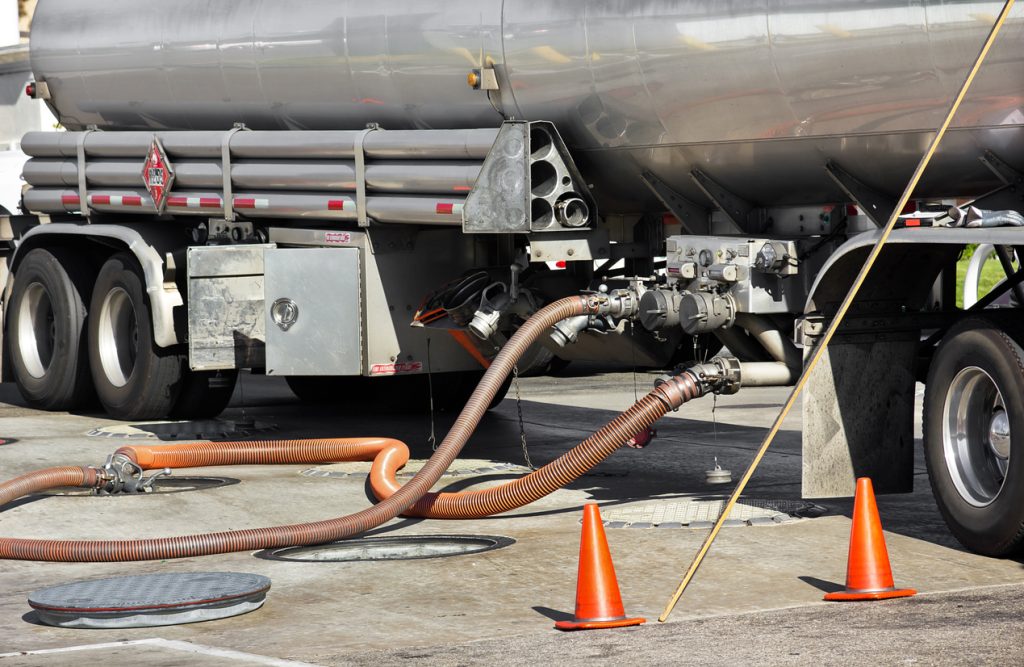
Fleet fuel management in Nigeria has become a priority for companies that rely on vehicles for logistics, transportation, deliveries, and field operations. With fuel expenses often accounting for a significant portion of operating costs, businesses can no longer afford to rely on estimates, manual records, or driver reports alone.
Whether you operate delivery vans in Lagos, manage interstate trucks between Lagos and Abuja, or run a corporate fleet across multiple locations, proper fuel management can have a direct impact on profitability.
Why fuel costs become a hidden problem for many fleets
Many businesses only realize how much fuel they are losing when costs continue to rise despite no major increase in operations.
Common causes include:
- Fuel theft and unauthorized siphoning
- Excessive vehicle idling
- Route deviations and unnecessary trips
- Aggressive driving habits
- Poor vehicle maintenance
- Inaccurate fuel purchase reporting
Without proper monitoring, these losses can continue for months before being identified.
What fleet fuel management actually involves
Fleet fuel management is the process of tracking, analyzing, and controlling fuel usage across all vehicles within an organization.
A good system helps businesses:
- Monitor fuel consumption in real time
- Track refueling activities
- Detect fuel theft or unusual fuel drops
- Compare fuel usage against distance traveled
- Identify inefficient vehicles or drivers
- Generate reports for budgeting and operational planning
The goal is to ensure every litre of fuel purchased is being used productively.
How fuel management systems work
Modern fuel management solutions combine GPS tracking technology with fuel monitoring sensors.
The process typically includes:
- Installing tracking and fuel monitoring devices in vehicles
- Recording fuel levels continuously
- Monitoring vehicle movement and trip history
- Generating alerts for unusual fuel activity
- Providing reports through an online dashboard or mobile app
This allows managers to see both vehicle activity and fuel consumption from one platform.
The link between driver behavior and fuel consumption
Many businesses focus only on fuel theft while overlooking driver habits that increase fuel expenses.
Certain behaviors can significantly increase fuel usage:
- Excessive speeding
- Harsh acceleration
- Frequent sudden braking
- Long periods of idling
- Taking longer routes than necessary
Driver behavior monitoring systems help identify these issues and encourage more fuel-efficient driving practices.
How logistics companies benefit from fuel management
For logistics businesses, fuel efficiency can determine whether operations remain profitable.
Fuel management helps by:
- Improving route planning
- Reducing unnecessary mileage
- Monitoring delivery vehicle performance
- Lowering operating costs
- Increasing fleet productivity
- Improving customer service through more predictable delivery schedules
This is particularly important for businesses operating across long Nigerian transport corridors.
Common signs your fleet has a fuel management problem
Many businesses already have a fuel issue but have not identified it yet.
Warning signs include:
- Fuel expenses rising faster than business growth
- Large differences in fuel usage between similar vehicles
- Frequent refueling without corresponding mileage
- Drivers requesting fuel unusually often
- Difficulty explaining monthly fuel costs
A proper fuel management system helps uncover the source of these problems.
Fuel management for small and large fleets
One common misconception is that fuel management is only for large transport companies.
In reality, it benefits:
- Delivery startups with a few vehicles
- Courier businesses
- Construction companies
- Sales and service fleets
- Logistics operators
- Corporate organizations with staff transport vehicles
Even a small fleet can achieve meaningful savings through better fuel visibility.
Why real-time reporting matters
Fuel management is most effective when managers receive information immediately.
Real-time reporting allows businesses to:
- Detect fuel theft quickly
- Respond to unusual consumption patterns
- Monitor fuel efficiency by route
- Compare driver performance
- Make faster operational decisions
Waiting until the end of the month to review fuel records often means the losses have already occurred.
How Travo.ng supports fleet fuel management
Effective fuel management works best when integrated with broader fleet and logistics operations.
Travo.ng supports businesses through:
- Vehicle tracking and fleet visibility solutions
- Transport coordination across Nigerian cities
- Fleet monitoring support
- Logistics planning and route optimization
- Business mobility management services
By combining tracking, monitoring, and operational coordination, businesses can gain greater control over both fuel consumption and fleet performance.
Making fuel efficiency part of everyday operations
The most successful fleet operators do not treat fuel management as a one-time project. They make it part of daily operations.
This includes:
- Monitoring fuel reports regularly
- Training drivers on fuel-efficient driving
- Reviewing route performance
- Investigating unusual fuel activity quickly
- Using technology to improve visibility
Over time, these small improvements can produce substantial cost savings.
Final thoughts
Fleet fuel management in Nigeria is no longer just about tracking fuel purchases. It is about understanding exactly how fuel is being used across vehicles, drivers, and routes.
For businesses operating in competitive markets, reducing fuel waste can improve profitability, increase efficiency, and strengthen overall fleet performance. With the right monitoring systems and operational support, companies can gain better control over one of their largest ongoing expenses.
