


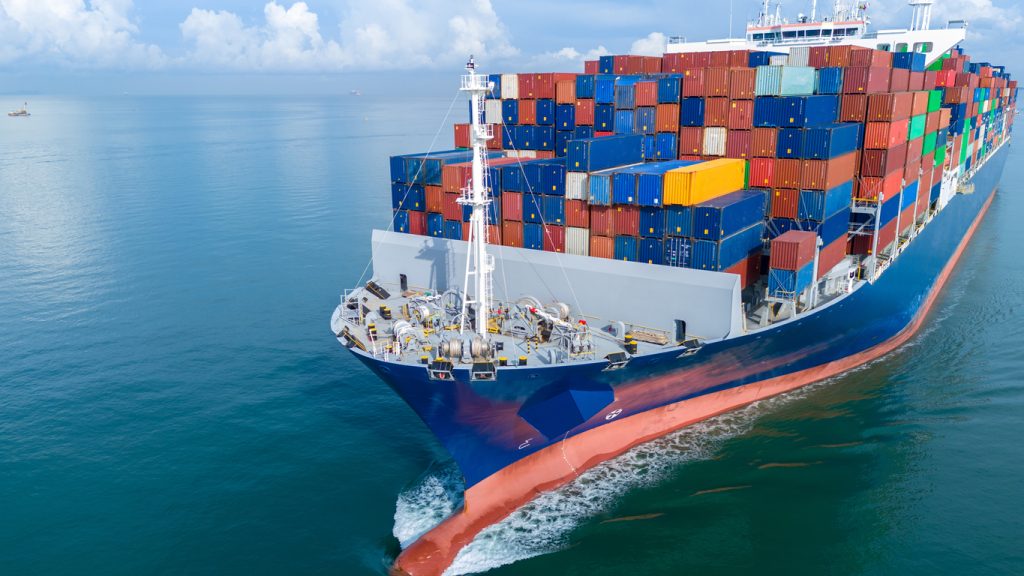
A short shipment in Nigeria occurs when the quantity of goods delivered is less than what was ordered or declared in the shipping documents. It is common in both import operations through Apapa Port, Tin Can Island Port, Lekki Port, and local logistics distribution.
In simple terms, it means you paid or expected a full shipment, but only part of it arrived.
Types of Short Shipment
1. Partial Container Short Shipment
- Some cartons or pallets are missing from a container
- Common in mixed cargo shipments
2. Supplier Short Shipment
- Supplier sends less quantity than ordered
- Intentional or accidental under-delivery
3. Transit Loss Short Shipment
- Goods lost during shipping or handling
- Missing items discovered at port or warehouse
4. Documentation vs Physical Shortage
- Documents show full quantity
- Actual cargo delivered is less
Major Causes of Short Shipment in Nigeria
1. Supplier Error or Fraud
- Incorrect packing
- Intentional under-supply
- Miscount during order fulfillment
2. Shipping and Handling Mistakes
- Cartons left behind at origin port
- Container misloading
- Cargo mix-up
3. Theft or Pilferage
- Container tampering
- Cargo theft during transit
- Warehouse pilferage
4. Documentation Errors
- Incorrect packing list
- Invoice mismatch
- Wrong quantity declaration
5. Poor Loading Control
- Inadequate supervision during container stuffing
- No verification before sealing
Effects of Short Shipment
1. Financial Loss
Businesses may suffer:
- Loss of paid goods
- Additional reordering costs
- Shipping and clearance expenses
2. Supply Chain Disruption
Leads to:
- Production delays
- Stock shortages
- Retail supply gaps
3. Increased Logistics Costs
Includes:
- Re-shipment costs
- Storage fees
- Demurrage charges
4. Customer Dissatisfaction
Affects:
- Delivery commitments
- Business reputation
- Client trust
5. Customs and Clearance Issues
If detected early:
- Container may be inspected
- Clearance delays may occur
Common Short Shipment Scenarios in Nigeria
- Container arrives at Apapa with missing cartons
- Freight forwarder discovers shortage during offloading
- Supplier sends fewer units than invoiced
- Goods disappear during transit or port handling
How to Prevent Short Shipment
1. Pre-Shipment Verification
Ensure:
- Quantity is counted before sealing
- Photos and videos are taken
2. Use Packing Lists and Checklists
Match:
- Invoice
- Packing list
- Actual shipment
3. Container Sealing Control
Ensure:
- Seal numbers are recorded
- Container is inspected before departure
4. Reliable Suppliers
Work only with:
- Verified manufacturers
- Trusted trading partners
5. Use Third-Party Inspection
Inspect goods before shipping from origin country.
How to Resolve Short Shipment
1. Confirm the Shortage
Check:
- Shipping documents
- Warehouse receipts
- Container inspection report
2. Document Evidence
Collect:
- Photos
- Videos
- Delivery records
3. Notify Supplier or Carrier
Request:
- Replacement shipment
- Refund for missing goods
- Investigation report
4. File Claim (If Applicable)
Depending on responsibility:
- Carrier claim (if transit loss)
- Supplier claim (if origin shortage)
5. Negotiate Settlement
Options include:
- Partial refund
- Replacement goods
- Discount on future orders
Role of Insurance
Cargo insurance may cover:
- Theft during transit
- Loss of goods
- Physical damage
However, supplier packing errors or documentation mistakes may not always be covered, depending on policy terms.
How Travo.ng Supports Businesses in Nigeria
Short shipment issues often require fast logistics response for replacement, redistribution, or recovery.
Travo.ng supports businesses across Nigeria through:
- Cargo pickup from Apapa, Tin Can, and Lekki ports
- Nationwide transportation services
- Interstate logistics coordination
- Commercial cargo delivery
- Distribution support for businesses
- Last-mile delivery solutions
Efficient logistics helps businesses recover quickly from shipment shortages.
Final Insight
Short shipment in Nigeria happens when delivered goods are fewer than expected due to supplier errors, shipping mistakes, or transit losses. It can disrupt business operations and increase costs, but strong verification systems and reliable logistics partners can significantly reduce the risk.
