


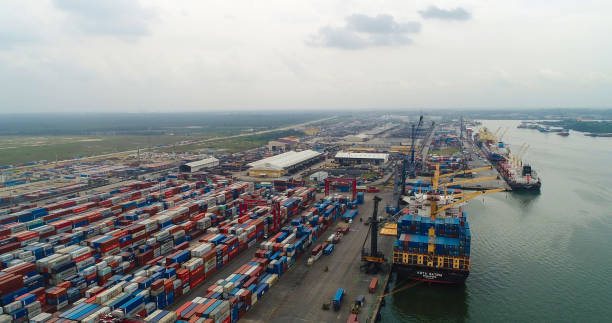
Apapa Port congestion refers to the heavy traffic buildup, operational delays, and overcrowding around the Apapa Port area in Lagos, Nigeria, which affects the movement of cargo trucks in and out of the port. It is one of the most well-known logistics bottlenecks in West Africa.
In simple terms, it means trucks carrying cargo struggle to enter or exit Apapa Port due to traffic, delays, and port inefficiencies.
Why Apapa Port Congestion Happens
1. High Cargo Volume
Apapa handles a large percentage of Nigeria’s imports, leading to:
- Overloaded terminals
- Continuous truck movement demand
- Yard congestion
2. Poor Road Infrastructure
Key access roads are often:
- Narrow
- Damaged
- Under repair for long periods
3. Inadequate Truck Holding Areas
Lack of proper parks leads to:
- Trucks lining up on roads
- Blocked access routes
- Illegal parking congestion
4. Inefficient Truck Scheduling
Poor coordination between:
- Shipping lines
- Terminal operators
- Truck drivers
causes delays and backlog.
5. Port Operational Delays
Delays occur due to:
- Customs clearance processes
- Cargo inspection procedures
- Documentation issues
6. Overlapping Logistics Activities
Multiple activities happening at once:
- Loading and offloading
- Container stacking
- Equipment movement
Effects of Apapa Port Congestion
1. Increased Transport Costs
Importers pay more due to:
- Truck waiting time
- Fuel consumption
- Storage demurrage
2. Cargo Delivery Delays
Goods take longer to reach:
- Warehouses
- Markets
- End users
3. Supply Chain Disruption
Affects:
- Manufacturing
- Retail distribution
- Inventory planning
4. Increased Risk of Cargo Damage
Long waiting times expose cargo to:
- Heat
- Moisture
- Theft or tampering
5. Economic Loss
Businesses face reduced efficiency and higher logistics costs.
Impact on Importers and Logistics Operators
- Higher freight charges
- Unpredictable delivery schedules
- Difficulty planning inventory
- Increased container detention charges
- Strain on supply chain reliability
Common Challenges in Apapa Port Operations
1. Traffic Gridlock
Severe congestion on access roads.
2. Delayed Customs Clearance
Inspection and documentation delays.
3. Poor Coordination
Between port authorities and logistics operators.
4. Trucking Inefficiencies
Lack of digital scheduling systems in some operations.
Solutions to Apapa Port Congestion
1. Electronic Call-Up Systems
Truck entry is scheduled digitally to reduce overcrowding.
2. Improved Road Infrastructure
Expansion and repair of access roads.
3. Designated Truck Parks
Holding areas help reduce roadside parking.
4. Faster Customs Processing
Streamlined documentation and inspection processes.
5. Port Decongestion Policies
Government interventions to reduce traffic load.
6. Use of Alternative Ports
Diverting cargo to:
- Tin Can Island Port
- Lekki Deep Sea Port
How Businesses Can Reduce Congestion Impact
1. Plan Shipments Early
Avoid peak congestion periods.
2. Use Reliable Freight Forwarders
Experienced operators can reduce delays.
3. Optimize Cargo Pickup Timing
Coordinate pickup schedules carefully.
4. Use Storage Facilities Near Ports
Reduce pressure from immediate pickup requirements.
5. Leverage Alternative Ports
Where possible, avoid Apapa entirely.
Role of Insurance in Congestion-Related Risks
Cargo insurance may cover:
- Damage during delay exposure
- Some storage-related risks
- Transit-related losses
However, pure delay costs are often not covered.
How Travo.ng Supports Businesses After Clearance
While Apapa congestion mainly affects port clearance and pickup, efficient inland logistics help reduce total supply chain delays.
This is where Travo.ng supports businesses across Nigeria.
Travo.ng provides:
- Cargo pickup from Apapa and other ports
- Nationwide transportation services
- Interstate logistics coordination
- Commercial cargo delivery
- Distribution support for businesses
- Last-mile delivery solutions
Structured logistics planning helps reduce the impact of port congestion on deliveries.
Final Insight
Apapa port congestion in Lagos is a major logistics challenge caused by high cargo volume, poor infrastructure, and operational inefficiencies. It increases costs, delays shipments, and disrupts supply chains, but improvements like electronic call-up systems, better infrastructure, and alternative ports are gradually helping to reduce its impact.
