


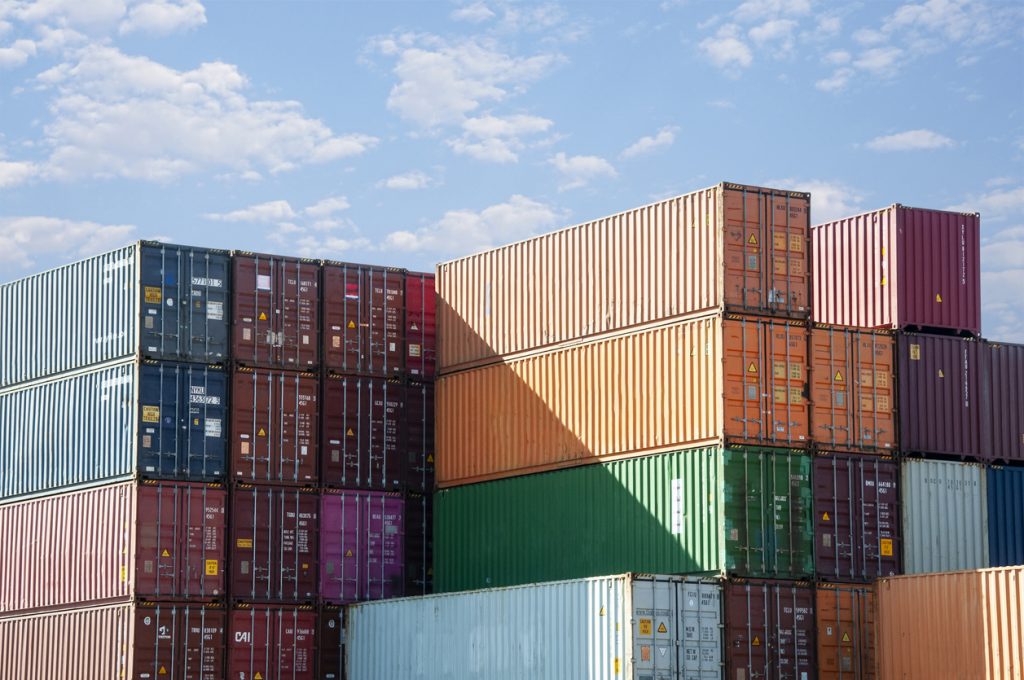
Cargo terminal operations in Nigeria are the engine room of the entire import and export logistics system. Every container, bulk shipment, or industrial cargo that arrives by sea must pass through a terminal before it can move into warehouses, factories, or final delivery destinations.
In major port cities like Lagos (Apapa and Tin Can Island), Port Harcourt (Onne and PH terminals), Warri, and Calabar, cargo terminals handle thousands of tons of goods daily. These terminals are where vessels are received, cargo is unloaded, inspected, sorted, and handed over for inland transportation.
Travo.ng supports cargo terminal operations in Nigeria by coordinating post-arrival logistics, truck scheduling, inland delivery, and cargo movement from port terminals to final destinations across the country.
What Cargo Terminal Operations Mean in Nigeria
Cargo terminal operations refer to all activities that take place inside a port terminal to handle incoming and outgoing cargo.
This includes:
- Vessel unloading and loading
- Container handling
- Cargo inspection and documentation
- Temporary storage within the terminal
- Coordination of truck pickup
- Transfer to inland logistics networks
In simple terms, terminals are the transition point between sea transport and road logistics.
Why Cargo Terminal Operations Are Critical in Nigeria
Nigeria depends heavily on imports and industrial shipping, so terminal efficiency directly affects the economy.
If terminal operations slow down:
- Cargo builds up at ports
- Trucks experience long delays
- Businesses face supply shortages
- Logistics costs increase
Efficient terminals ensure:
- Faster cargo clearance
- Smooth movement of goods
- Reduced port congestion
- Reliable supply chain flow
How Cargo Terminal Operations Work in Nigeria
1. Vessel Arrival and Berthing
Ships carrying cargo arrive at ports such as:
- Apapa Port
- Tin Can Island Port
- Onne Port
They are assigned docking space for unloading.
2. Cargo Unloading
Cargo is removed from vessels using:
- Ship-to-shore cranes
- Mobile cranes
- Reach stackers
Containers and bulk goods are moved to terminal yards.
3. Cargo Inspection and Documentation
At this stage:
- Customs checks are carried out
- Shipping documents are verified
- Cargo is classified for release
4. Storage Within Terminal Yard
Goods may be temporarily stored in:
- Container yards
- Warehousing areas
- Open storage zones
5. Truck Allocation and Dispatch
Once cleared:
- Trucks are assigned
- Loading schedules are arranged
- Cargo is dispatched inland
6. Inland Transport Handover
Cargo leaves the terminal and is transported to:
- Warehouses
- Industrial sites
- Retail distribution centers
Types of Cargo Handled in Nigerian Terminals
1. Containerized Cargo
- Imported consumer goods
- FMCG products
- Manufacturing inputs
2. Bulk Cargo
- Cement
- Grain
- Fertilizers
- Industrial raw materials
3. Heavy Equipment
- Machinery
- Construction equipment
- Industrial tools
4. Liquid Cargo
- Petroleum products
- Chemicals
- Industrial fluids
Key Cargo Terminals in Nigeria
Apapa Port Terminal (Lagos)
- Largest and busiest terminal
- Handles massive container traffic
Tin Can Island Terminal (Lagos)
- Focus on imports and container cargo
- High industrial throughput
Onne Port Terminal (Port Harcourt)
- Strong oil and gas logistics hub
- Industrial cargo handling center
Warri Port Terminal
- Regional cargo movement
- Energy-related logistics
Calabar Port Terminal
- Smaller but strategic coastal operations
Challenges in Cargo Terminal Operations in Nigeria
1. Port Congestion
One of the biggest issues, especially in Lagos.
2. Truck Bottlenecks
Delays in truck entry and loading schedules.
3. Documentation Delays
Customs and regulatory processes can slow operations.
4. Equipment Shortages
Limited availability of cranes and handling machines at peak times.
5. Infrastructure Constraints
Road access from terminals is often congested or poorly maintained.
Cost of Cargo Terminal Operations in Nigeria
Costs vary depending on cargo type and duration at the terminal.
Key cost factors include:
- Container handling fees
- Storage (demurrage) charges
- Loading and unloading costs
- Trucking and dispatch fees
- Customs and clearance-related charges
Typical estimates:
- Standard container handling: ₦50,000 – ₦200,000
- Extended storage/demurrage: ₦10,000 – ₦50,000 per day
- Full terminal processing (complex cargo): ₦200,000 – ₦1,000,000+
Why Cargo Terminal Efficiency Matters
Efficient terminal operations help:
- Reduce import delays
- Improve supply chain speed
- Lower logistics costs
- Increase business productivity
- Prevent congestion at ports
When terminals work well, the entire economy benefits.
Terminal Operations vs Inland Logistics
Terminal Operations
- Focus on cargo receiving and dispatch from ports
- Involves cranes, customs, and storage yards
- Acts as the entry/exit point of international trade
Inland Logistics
- Movement from terminals to final destinations
- Uses trucks, warehouses, and distribution networks
Both systems must work together for smooth cargo flow.
Industries That Depend on Cargo Terminal Operations
Import and Export Businesses
- Container clearance
- International trade logistics
Manufacturing
- Raw material import handling
- Equipment delivery
Oil and Gas
- Industrial cargo movement
- Equipment logistics
Construction
- Heavy machinery importation
- Material supply chains
FMCG and Retail
- Bulk product imports
- National distribution systems
Why Cargo Terminal Operations Are Essential in Nigeria
Without efficient terminals:
- Imports would pile up at ports
- Goods would not reach inland markets
- Costs would rise significantly
- Supply chains would break down
Terminals are the critical link between global shipping and local distribution.
Reliable Cargo Terminal Operations Require Coordination
Successful terminal logistics depends on:
- Port authority efficiency
- Cargo handling equipment
- Truck availability
- Customs clearance systems
- Real-time logistics coordination
Travo.ng provides cargo terminal operation support in Nigeria, helping businesses coordinate port handling, manage truck dispatch, and move cargo efficiently from terminals into inland logistics networks.
