


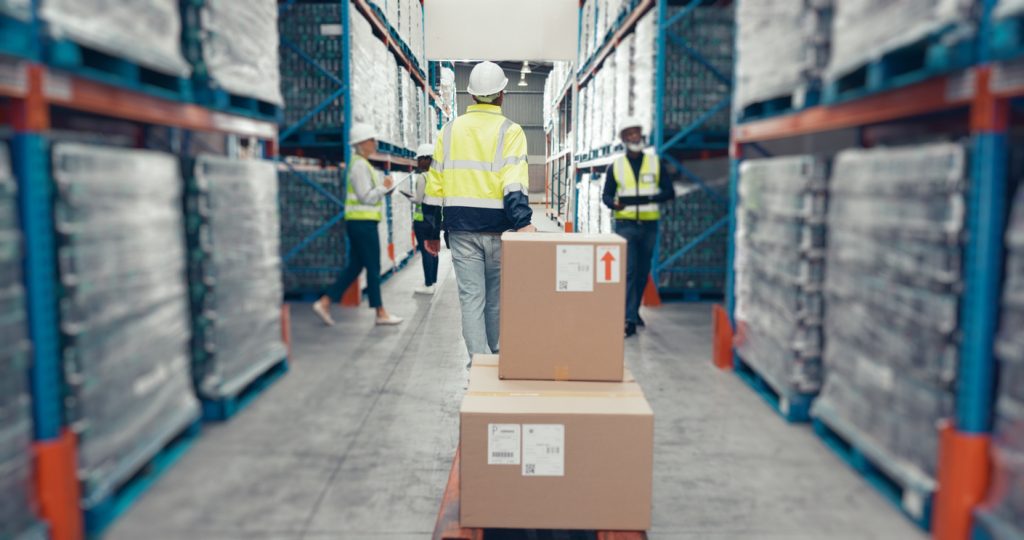
Freight rate increase in Nigeria refers to a rise in the cost of transporting goods internationally by sea or air. This means importers pay more for shipping cargo from countries like China, the UK, the US, or Europe into Nigeria.
In simple terms, it is when shipping prices go up, making imports more expensive.
What Causes Freight Rate Increase in Nigeria
1. Global Fuel Price Changes
Shipping lines adjust prices based on fuel (bunker oil) costs.
2. High Demand for Shipping Space
When many importers are shipping at the same time, container space becomes limited.
3. Exchange Rate Fluctuations
A weaker Naira increases local freight costs even if global prices stay the same.
4. Port Congestion in Nigeria
Delays at ports like:
- Apapa Port
- Tin Can Island Port
lead to higher shipping costs and surcharges.
5. Seasonal Demand (Peak Periods)
Freight rates increase during:
- Christmas season
- Back-to-school imports
- Global retail surges
6. Global Supply Chain Disruptions
Events like:
- Wars
- Trade restrictions
- Shipping route changes
affect global freight pricing.
Types of Freight Rate Increases
1. Base Freight Increase
Direct rise in container or air cargo rates.
2. Fuel Surcharge (BAF)
Added when fuel prices rise globally.
3. Currency Adjustment (CAF)
Added when exchange rates fluctuate.
4. Peak Season Surcharge
Applied during high-demand shipping periods.
5. Congestion Surcharge
Added when ports are delayed or overcrowded.
Impact of Freight Rate Increase on Imports in Nigeria
1. Higher Landed Cost
Importers pay more for the same goods.
2. Reduced Profit Margins
Selling prices may not increase at the same rate.
3. Cash Flow Pressure
More capital is needed to fund imports.
4. Inventory Challenges
Importers may reduce order quantities.
5. Pricing Instability
Market prices become unpredictable.
Example of Freight Rate Increase Impact
- Previous freight: $2,000
- New freight: $3,000
👉 Increase: $1,000 per shipment
If importing multiple containers, costs rise significantly.
How to Manage Freight Rate Increases
1. Book Early
Avoid last-minute shipping at higher rates.
2. Consolidate Shipments
Reduce frequency of imports.
3. Compare Shipping Lines
Rates vary across carriers.
4. Ship During Off-Peak Periods
Avoid seasonal price spikes.
5. Plan Landed Cost Properly
Always budget for worst-case freight scenarios.
Role of Planning in Cost Control
Proper import planning helps reduce:
- Emergency freight charges
- Peak season surcharges
- Delays and demurrage costs
- Budget overruns
How Travo.ng Supports Businesses After Clearance
While freight rate increases affect shipping before arrival, logistics after clearance still impacts total import cost.
This is where Travo.ng supports businesses across Nigeria.
Travo.ng provides:
- Cargo pickup from ports and airports
- Nationwide transportation services
- Interstate logistics coordination
- Commercial cargo delivery
- Distribution support for businesses
- Last-mile delivery solutions
Efficient post-clearance delivery helps reduce storage costs and improve supply chain efficiency.
Final Insight
Freight rate increases in Nigeria are driven by fuel prices, demand, exchange rates, and port congestion. They significantly raise import costs and affect profitability, but careful planning, early booking, and proper logistics management can help reduce their impact.
