


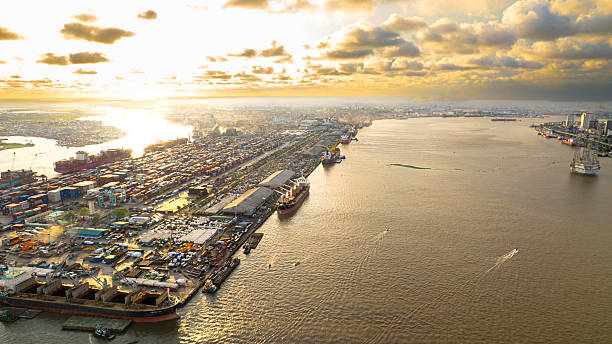
Peak season surcharge in Nigeria is an additional fee charged by shipping lines and logistics providers during periods of high demand for cargo space and shipping services. It is applied when global trade activity increases and container space becomes limited, leading to higher freight rates.
In simple terms, it is an extra shipping cost you pay during busy import periods.
When Peak Season Occurs in Nigeria Imports
Peak season usually happens during:
- End-of-year (September–December)
- Pre-holiday import rush
- Back-to-school stocking periods
- Major global retail seasons (e.g., Black Friday, Christmas)
During these periods, many importers rush to bring goods into Nigeria, increasing demand for shipping space.
Why Peak Season Surcharge Is Charged
1. High Demand for Containers
More importers compete for limited shipping space.
2. Limited Vessel Capacity
Shipping lines cannot increase ships instantly to match demand.
3. Port Congestion Pressure
Busy destination ports like:
- Apapa Port
- Tin Can Island Port
increase operational delays.
4. Higher Operational Costs
Shipping lines increase charges to manage:
- Fuel usage
- Equipment positioning
- Logistics planning
5. Global Trade Surges
International demand spikes affect shipping routes to West Africa.
Types of Costs Affected by Peak Season Surcharge
1. Ocean Freight Increase
Base shipping cost becomes more expensive.
2. Container Booking Fees
Higher cost to secure space on vessels.
3. Inland Logistics Costs
Delays can increase storage and transport expenses.
4. Related Port Charges
Indirect increases in:
- Storage fees
- Demurrage
- Terminal handling delays
Impact of Peak Season Surcharge on Import Costs
1. Higher Freight Rates
Shipping cost can increase significantly during peak periods.
2. Increased Landed Cost
Total import cost rises due to expensive freight.
3. Reduced Profit Margins
Importers may struggle to maintain stable pricing.
4. Shipment Delays
Limited space can cause booking delays.
5. Cash Flow Pressure
Businesses may need more capital to import the same quantity of goods.
Example of Peak Season Impact
- Off-season freight: $2,000
- Peak season surcharge: $400–$800
👉 Total freight becomes: $2,400–$2,800
That’s up to 40% increase in shipping cost
How to Reduce Peak Season Surcharge Costs
1. Ship Early
Import before peak season begins.
2. Book Space in Advance
Reserve containers early to avoid price spikes.
3. Consolidate Shipments
Reduce frequency of imports to lower exposure.
4. Avoid Emergency Shipping
Urgent bookings attract higher surcharges.
5. Plan Inventory Properly
Stock goods ahead of peak demand periods.
Role of Planning in Cost Control
Proper import planning helps reduce:
- Emergency freight charges
- Congestion-related delays
- Storage and demurrage costs
- Last-minute shipping premiums
How Travo.ng Helps After Clearance
While peak season surcharge affects shipping costs before arrival, logistics after clearance also impacts total import expenses.
This is where Travo.ng supports businesses across Nigeria.
Travo.ng provides:
- Cargo pickup from ports and airports
- Nationwide transportation services
- Interstate logistics coordination
- Commercial cargo delivery
- Distribution support for businesses
- Last-mile delivery solutions
Fast and efficient post-clearance delivery helps reduce storage costs and improve supply chain efficiency.
Final Insight
Peak season surcharge in Nigeria is an additional shipping cost applied during high-demand periods when container space is limited. It increases freight and landed costs significantly, but proper planning and early booking can help importers reduce its impact.
