


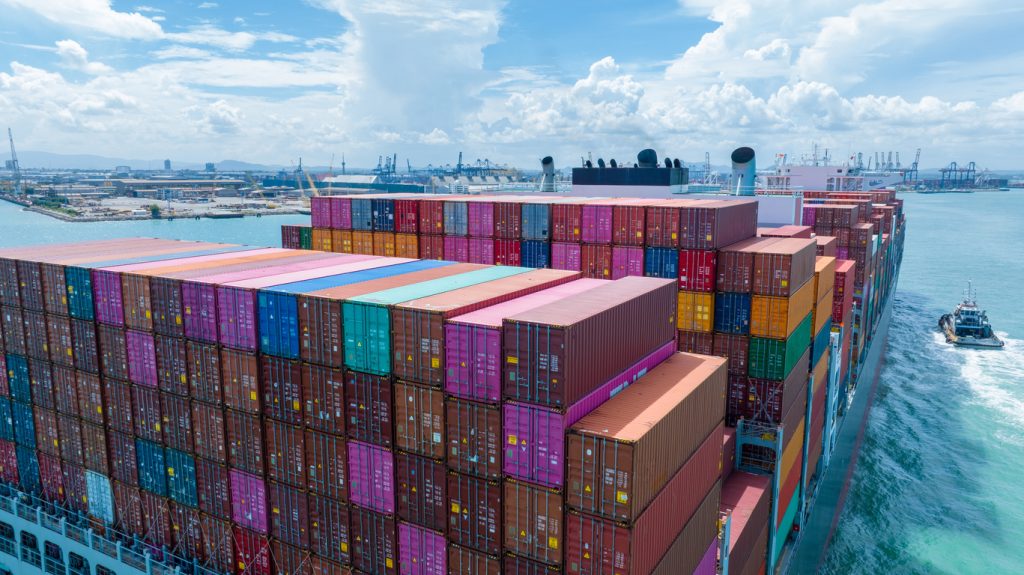
A food import permit in Nigeria is an official authorization required before importing food products into the country. It is issued and regulated to ensure that all food items entering Nigeria meet safety, quality, and public health standards before they are released into the market.
For importers bringing goods through Apapa Port, Tin Can Island Port, Onne Port, Port Harcourt Port, or Murtala Muhammed International Airport, a food import permit is often mandatory depending on the type of food product.
In simple terms, a food import permit is the approval that allows food products to legally enter Nigeria.
Who Issues Food Import Permit in Nigeria
The main regulatory authority responsible for food import control is:
National Agency for Food and Drug Administration and Control
NAFDAC ensures that imported food products:
- Are safe for human consumption
- Meet Nigerian food safety standards
- Are properly labeled and documented
- Comply with import regulations
Without NAFDAC approval, food products cannot be legally distributed or sold in Nigeria.
Who Needs a Food Import Permit
A food import permit is required for importers dealing in:
- Packaged and processed foods
- Beverages and drinks
- Dairy products
- Cereals and grains (processed)
- Confectionery and snacks
- Food additives and ingredients
However, raw materials for manufacturing or special categories may follow different approval routes depending on classification.
When Food Imports May Be Exempt from SONCAP
Unlike electronics or machinery, food products are generally regulated under NAFDAC rather than SONCAP. SONCAP is mainly for industrial and consumer goods.
Standards Organisation of Nigeria
SONCAP typically applies to regulated non-food products, while food imports are handled under NAFDAC food import control systems.
Types of Approvals in Food Importation
Food importation into Nigeria may require:
1. Product Registration
Approval for selling a food product in Nigeria.
2. Import Permit
Authorization to bring specific food shipments into the country.
3. Release/Inspection Clearance
Final approval for cargo release at the port.
4. Label Compliance Approval
Ensures packaging meets Nigerian labeling requirements.
Common Food Import Permit Issues in Nigeria
1. Missing Import Permit
Goods arrive without prior authorization.
2. Unregistered Product
Product is not registered with NAFDAC.
3. Documentation Mismatch
Differences between invoice, packing list, and permit details.
4. Expired Approval
Permit no longer valid at time of shipment arrival.
5. Late Application
Permit applied for after goods have already been shipped.
What Happens Without a Food Import Permit?
If a permit is missing or invalid, cargo may:
- Be held at port or airport
- Be sent for regulatory inspection
- Accumulate storage and demurrage charges
- Experience clearance delays
- Be rejected or ordered for re-export
Even if customs documents are complete, food imports cannot be released without regulatory approval.
Food Import Permit and Customs Clearance
The:
Nigeria Customs Service
cannot fully clear food cargo without confirmation that NAFDAC approval has been granted.
This means goods may remain on hold even after duties are paid until regulatory clearance is completed.
Why Food Import Permits Are Strict in Nigeria
Food imports are tightly regulated to:
- Protect public health
- Prevent contaminated or substandard food products
- Ensure proper labeling and traceability
- Maintain food safety standards
- Control illegal or unsafe imports
Because food is consumable, compliance is stricter than many other import categories.
How Importers Can Avoid Food Import Permit Delays
Experienced importers typically:
- Register products with NAFDAC before importation
- Apply for permits before shipment
- Ensure correct labeling and documentation
- Match invoice and product details accurately
- Work with compliance professionals when needed
Early planning reduces delays and clearance risks.
How Travo.ng Supports Businesses After Clearance
While food import permits deal with regulatory approval, businesses still need reliable logistics after cargo is released.
This is where Travo.ng supports importers across Nigeria.
Travo.ng provides:
- Cargo pickup from ports and airports
- Nationwide transportation services
- Interstate logistics coordination
- Commercial cargo delivery
- Distribution support for businesses
- Last-mile delivery solutions
Whether goods are moving from Lagos to Abuja, Kano, Port Harcourt, Enugu, or other locations, Travo.ng ensures smooth movement after clearance.
Final Insight
A food import permit in Nigeria is a mandatory regulatory approval that ensures imported food products are safe, properly labeled, and compliant with national standards. Without it, cargo can be delayed, detained, or rejected at customs. Importers who complete registration early and ensure full documentation compliance significantly reduce risks and improve import efficiency.
