


If you import goods through Apapa Wharf, Tin Can Island, or Murtala Muhammed Airport cargo terminal, one document that can quietly stop your clearance process is a Certificate of Origin problem in Nigeria.
It often shows up when everything else seems fine—Form M is ready, invoice matches, cargo has arrived—but customs raises an issue with where the goods are stated to have been produced or how the document was issued.
In simple terms, a Certificate of Origin problem means there is doubt, mismatch, or error in the document that proves the country where the goods were manufactured.
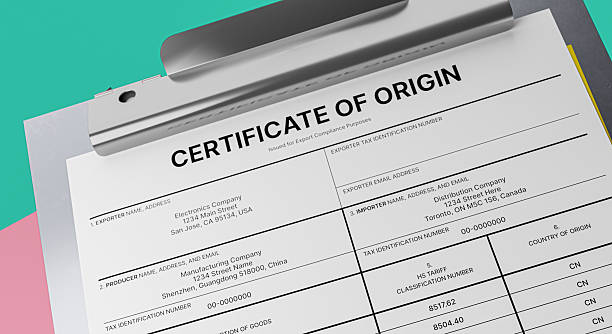
What Certificate of Origin Means in Nigeria Import Process
A Certificate of Origin is an international trade document that confirms the country where a product was made or manufactured. It is part of import compliance checks used during clearance by:
Nigeria Customs Service
It is used to:
- Confirm country of manufacture
- Determine applicable tariffs and duties
- Support trade agreement eligibility
- Prevent misdeclaration of origin
Without a valid certificate, customs may apply higher duties or delay clearance.
What a Certificate of Origin Problem Actually Means
A problem arises when customs or clearing agents identify inconsistencies or doubts such as:
- Missing or incomplete certificate
- Mismatch between invoice and declared origin
- Unrecognized issuing authority
- Altered or unclear documentation
- Conflict between supplier and shipping documents
When this happens, clearance is paused until verification is completed.
Common Causes of Certificate of Origin Problems in Nigeria
These issues are common in import operations due to global supply chain complexity.
1. Incorrect Country of Origin
Goods assembled in one country but declared as another.
2. Supplier Documentation Errors
Foreign suppliers sometimes issue incomplete or inconsistent certificates.
3. Mismatch With Invoice or Packing List
Different origin details across documents raise red flags.
4. Unapproved Issuing Body
Certificate not issued by a recognized authority or chamber of commerce.
5. Re-exported Goods Confusion
Goods shipped through multiple countries before arriving in Nigeria.
What Happens When Certificate of Origin Is a Problem at the Port
At Apapa or Tin Can Island, a certificate issue immediately affects clearance flow.
A typical sequence looks like:
- Cargo arrives at port or airport terminal
- Customs reviews import documentation
- Certificate of Origin is flagged for verification
- Clearance is paused or queried
- Importer is asked to correct or validate document
At this point, cargo cannot move to duty assessment or release.
For importers supplying Alaba International Market, Ladipo Auto Parts, Ikeja electronics hubs, or Abuja distribution networks, this can lead to delays and stock shortages.
Why Certificate of Origin Problems Are So Common in Nigeria
These issues happen frequently because global sourcing is complex and documentation standards vary.
Common causes include:
- Multiple-country manufacturing and assembly
- Supplier misunderstanding of customs requirements
- Inconsistent trade documentation
- High verification standards by customs
- Use of unofficial issuing bodies
Even small inconsistencies can trigger inspection delays.
The Real Impact of Certificate of Origin Problems
A certificate issue is not just paperwork—it affects cost and timing.
Importers often experience:
- Cargo delay before clearance
- Increased storage and demurrage charges
- Higher duty charges if origin cannot be verified
- Cash flow pressure due to delayed goods
- Disruption in supply chain timelines
At busy ports like Apapa, delays quickly increase total landed cost.
Why Small Origin Errors Become Expensive
Even minor documentation issues can become costly because:
- Preferential duty rates may be denied
- Cargo remains in storage longer
- Shipping schedules are disrupted
- Containers may incur detention charges
So a small mismatch in origin information can turn into a major cost issue.
Products Commonly Affected by Certificate of Origin Problems
Some imports are more likely to face origin disputes:
- Electronics and mobile devices
- Automotive spare parts
- Industrial machinery
- Textiles and garments
- Food products and packaged goods
- Mixed commercial cargo
These categories often involve multi-country production chains.
Where Importers Struggle Most With Origin Documentation
Even after submission, resolution can take time due to:
- Verification requests from customs
- Supplier delays in reissuing documents
- Embassy or chamber authentication requirements
- Communication gaps between importer and agent
- Document correction cycles
In Nigerian ports, resolution timelines are not always predictable.
How Certificate of Origin Problems Affect Logistics Planning
Origin issues don’t stay at documentation level—they affect the full supply chain.
They can disrupt:
- Cargo release schedules
- Inland transport coordination
- Warehouse stocking plans
- Retail distribution timelines
A single document issue can delay operations across multiple Nigerian cities.
How Importers Reduce Certificate of Origin Problems
Experienced importers reduce risk by:
- Confirming origin details before shipment
- Ensuring supplier uses recognized issuing authorities
- Matching invoice, packing list, and certificate details
- Avoiding multi-country ambiguity in documentation
- Working with experienced clearing professionals
Most issues can be prevented with early verification.
How Travo.ng Supports Importers After Clearance Delays
While Certificate of Origin problems affect customs clearance, logistics becomes important once goods are released.
This is where Travo.ng supports importers and businesses across Nigeria.
Travo.ng helps manage:
- Cargo pickup after customs clearance
- Airport and port delivery coordination
- Nationwide parcel and freight movement
- Interstate logistics for business cargo
- Reliable last-mile delivery services
So even when origin documentation issues delay clearance, Travo.ng ensures goods move quickly once approval is completed.
Final Insight
A Certificate of Origin problem in Nigeria usually happens due to mismatched documentation, unclear manufacturing origin, or supplier errors. Importers who verify origin details early and ensure consistency across all documents experience fewer delays and smoother customs clearance.
