


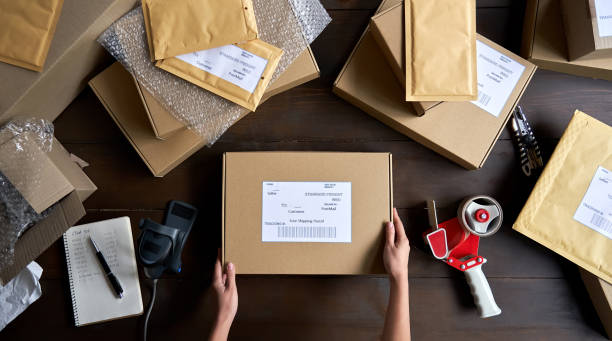
Running a small business in Nigeria is not just about selling good products. A big part of the work is getting those products to customers safely, quickly, and at a cost that still makes sense.
Whether you sell fashion items from Yaba, phone accessories in Computer Village, skincare products from Abuja, food packs in Lekki, or spare parts from Onitsha, your delivery process can affect how customers see your business.
That is why choosing the right shipping service for small business in Nigeria matters. Customers now expect clear timelines, careful handling, and updates when their items are on the way. A missed delivery or damaged parcel can easily turn into a bad review.
What small businesses really need from a shipping partner
Most small businesses do not need complicated logistics language. They need a service that can help them move items from one point to another without stress.
A good shipping partner should help with:
- Pickup from your shop, home, office, or supplier
- Same-day delivery within busy cities where possible
- Interstate delivery for customers outside your location
- Safe handling of fragile or high-value items
- Clear pricing before dispatch
- Delivery confirmation after the customer receives the item
For example, a Lagos-based Instagram vendor selling shoes may need daily deliveries to Lekki, Ajah, Surulere, Ikeja, and Yaba. Another business may send bulk orders from Lagos to Abuja twice a week. Both businesses need different delivery arrangements, but the goal is the same: reliable movement of goods.
Common shipping problems Nigerian businesses face
Many small businesses lose customers because of logistics issues they could have avoided.
Some common problems include:
- Riders cancelling late during peak traffic hours
- Parcels getting delayed without updates
- Customers refusing delivery because arrival time was unclear
- Underestimating interstate delivery costs
- Poor packaging for fragile goods
- Using random dispatch riders without accountability
In Lagos, for instance, a delivery from Lekki Phase 1 to Ikeja may look simple on paper, but traffic around Victoria Island, Third Mainland Bridge, or Maryland can affect timing. During rainy season, deliveries may also take longer, especially when roads are flooded or traffic builds up.
This is where working with a structured provider like Travo.ng can help small businesses plan better instead of relying on last-minute arrangements.
How much does shipping usually cost?
Shipping costs in Nigeria depend on distance, item size, urgency, and pickup location.
For local deliveries within Lagos, small parcels may cost from around ₦2,000 to ₦6,000 depending on the route. Deliveries from Lagos Island to the mainland often cost more than short-distance movements within the same area.
Interstate shipping is usually priced differently. A parcel from Lagos to Abuja, Port Harcourt, Ibadan, Benin, or Enugu may cost more depending on weight, delivery speed, and whether it requires special handling.
For small businesses, the smart approach is to build delivery pricing into your sales process. Do not wait until after a customer pays before checking dispatch cost. That is how many sellers end up paying part of the delivery fee from their profit.
When same-day delivery makes sense
Same-day delivery is useful for businesses selling items customers need urgently.
This may include:
- Cakes, food trays, and event items
- Fashion orders for last-minute outings
- Documents and office supplies
- Phone accessories
- Beauty products
- Corporate gift items
However, same-day delivery works best when pickup is arranged early. A parcel booked at 10am has a better chance of reaching the customer smoothly than one booked at 5pm when traffic is already heavy.
Travo.ng’s delivery and courier support can help businesses schedule pickups, coordinate dispatch, and reduce the confusion that usually comes with urgent deliveries.
Shipping outside your city
If your business serves customers in different states, you need more than a bike dispatch rider. Interstate delivery requires better coordination.
For example, sending products from Lagos to Abuja may involve cargo movement, terminal drop-off, waybill processing, or doorstep delivery depending on the customer’s preference. Businesses shipping regularly to cities like Ibadan, Port Harcourt, Kano, Enugu, Benin, and Warri should also think about delivery timelines and customer communication.
Always tell customers realistic timelines. If delivery may take 24 to 72 hours, say so clearly. Overpromising is one of the fastest ways to create complaints.
Simple shipping tips for small businesses
Before handing over any parcel, make sure you:
- Confirm the customer’s full name and phone number
- Collect a clear delivery address with nearby landmarks
- Package the item properly
- Take a photo of the parcel before pickup
- Confirm delivery charges before dispatch
- Send the customer tracking or rider details where available
These small steps reduce failed deliveries and disputes.
How Travo.ng supports small business shipping
Travo.ng helps small businesses manage deliveries, courier requests, cargo logistics, transport coordination, and business logistics support across Nigeria.
Instead of trying to manage different riders, cargo agents, and transport contacts by yourself, you can use Travo.ng to arrange practical shipping support based on your business needs.
Whether you need local parcel delivery, interstate cargo movement, scheduled pickups, airport pickup coordination, relocation logistics, or vehicle hire for bulk movement, Travo.ng gives you a more organized way to move goods and serve customers.
For small businesses, reliable shipping is not just an extra service. It is part of the customer experience. When your deliveries are smooth, customers trust your business more, complain less, and are more likely to order again.
