


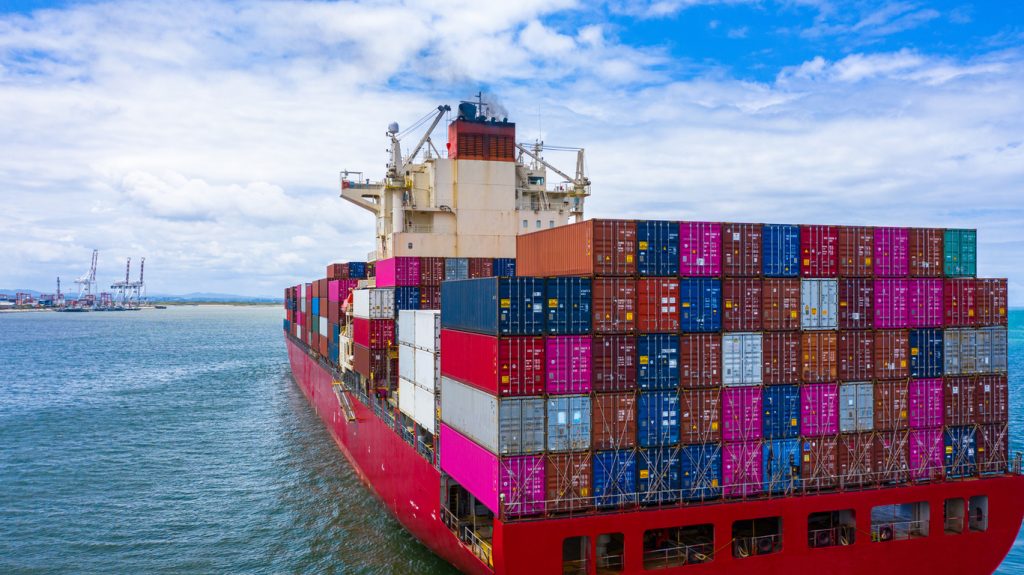
When cargo is selected for customs examination in Nigeria, it means the Nigeria Customs Service (NCS) has flagged a shipment for physical or detailed inspection before it can be released from the port. This happens at major entry points like Apapa Port, Tin Can Island Port, and Lekki Deep Sea Port.
It does not always mean there is a problem—selection can be random or risk-based—but it will usually affect clearance time.
What It Means When Cargo Is Selected
Cargo selection for examination means:
- The container will be inspected before release
- Customs wants to verify goods physically
- Documents and cargo must match exactly
- Clearance will not proceed until inspection is completed
In simple terms:
Your cargo has been put on hold for inspection by Customs.
Why Cargo Is Selected for Customs Examination in Nigeria
1. Risk-Based Selection System
Customs uses a digital risk system that flags cargo based on:
- Importer history
- Type of goods
- Country of origin
- Value risk patterns
2. Random Selection
Some containers are selected randomly to:
- Maintain compliance checks
- Prevent smuggling
- Ensure system integrity
3. Document Mismatch
Cargo may be flagged if there is:
- Invoice mismatch
- Wrong HS code
- Value inconsistency
- Missing Form M or PAAR
4. Suspicious Cargo Description
Items that often trigger checks:
- Electronics
- Used goods
- Machinery
- High-value imports
5. Regulatory Agency Involvement
Other agencies may request inspection:
- SON (Standards Organization of Nigeria)
- NAFDAC (food and drugs)
- NDLEA (controlled substances)
What Happens After Cargo Is Selected
Once selected:
- Container is placed on hold
- Customs schedules inspection
- Physical or scanning examination is carried out
- Findings are recorded
- Cargo is either released or queried
Types of Customs Examination After Selection
1. Physical Examination
- Container is opened
- Goods are manually inspected
- Quantity and quality verified
2. Scanning
- Container passes through scanning machine
- Faster and less disruptive
3. Documentary Verification
- Customs reviews documents only
- No physical inspection required
Effects of Cargo Selection for Examination
1. Delay in Clearance
Cargo cannot be released until inspection is completed.
2. Increased Port Charges
Delays may lead to:
- Demurrage
- Terminal storage charges
- Detention costs (if container is delayed outside port)
3. Extra Handling Costs
Possible additional logistics and agent fees.
How to Reduce Risk of Cargo Being Selected
1. Accurate Documentation
Ensure:
- Correct invoice value
- Proper HS code classification
- Matching shipping documents
2. Honest Cargo Declaration
Avoid:
- Undervaluation
- Misclassification
- Incomplete descriptions
3. Use Experienced Clearing Agents
They help:
- Reduce errors
- Improve compliance
- Speed up clearance process
4. Pre-Arrival Processing
- Submit Form M early
- Process PAAR before arrival
5. Avoid High-Risk Patterns
Consistent compliance builds trust with Customs systems.
What to Do If Your Cargo Is Selected
- Stay calm—it is a normal process
- Contact your clearing agent immediately
- Prepare all supporting documents
- Respond quickly to Customs requests
- Avoid delays in inspection scheduling
Key Insight
Cargo selection for customs examination in Nigeria is part of the country’s import control system. While it can delay clearance, it is often random or procedural rather than punitive.
Delays only become costly when logistics planning is weak or response time is slow.
Final Thoughts
When cargo is selected for customs examination in Nigeria, it simply means your shipment will be checked before release. The process is standard, but delays can lead to extra port costs if not managed properly.
The best way to handle it is through:
- Proper documentation
- Fast communication
- Experienced clearing support
- Efficient logistics coordination
Structured planning and timing efficiency—like the type supported by Travo (Travo.ng)—helps reduce delays that often arise during inspection and improves overall cargo movement efficiency across Nigerian ports.
