


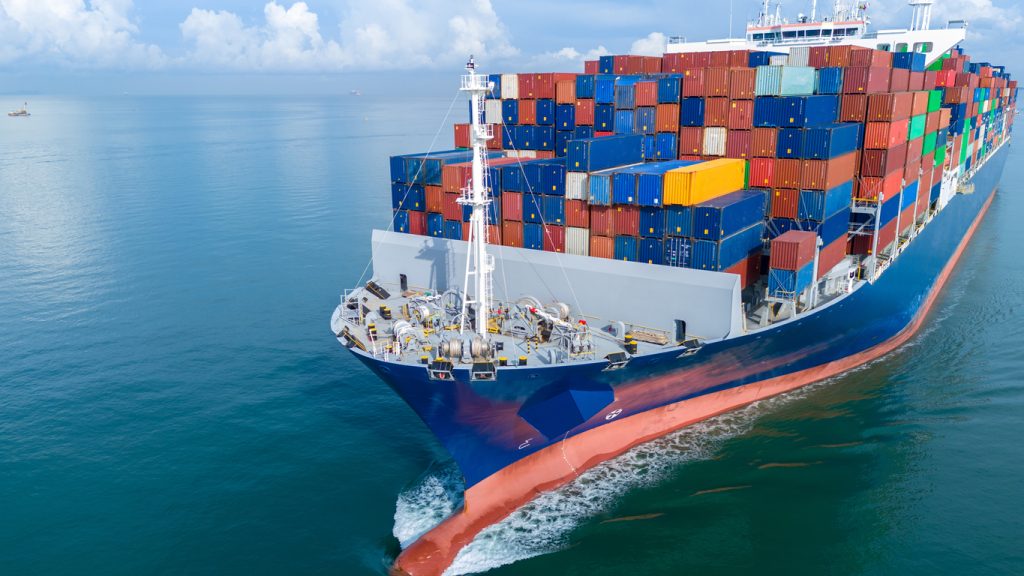
Port handling fees in Nigeria are the charges paid for moving, processing, and handling cargo inside Nigerian ports and terminals such as Apapa Port, Tin Can Island Port, and Lekki Deep Sea Port.
These fees are part of the total import cost and are charged by terminal operators, shipping lines, and port service providers depending on the service involved.
What Are Port Handling Fees in Nigeria?
Port handling fees are charges for:
- Unloading cargo from vessels
- Moving containers inside the terminal yard
- Using port equipment (cranes, forklifts, reach stackers)
- Stacking and storage inside the port
- Preparing containers for release or export
In simple terms:
It is what you pay for physical handling of cargo inside the port.
Main Types of Port Handling Fees in Nigeria
1. Terminal Handling Charges (THC)
This is the most common handling fee.
It covers:
- Ship-to-shore lifting
- Container movement in terminal
- Yard stacking and storage handling
Typical range in Nigeria:
- ₦150,000 – ₦525,000 per container (depending on size and terminal)
2. Cargo Handling Charges
Charged per ton or per container for general cargo movement inside the port.
Examples include:
- Bulk cargo handling
- Break-bulk movement
- General cargo operations
3. Wharfage Charges
A statutory port charge for using the port quay.
Example (Nigerian Ports Authority tariffs):
- Charged per ton of cargo
- Applied on imports and exports
4. Terminal Storage Charges
Charged when cargo stays too long in the terminal.
- Applies after free storage days expire
- Charged daily until evacuation
5. Equipment & Operational Charges
These include:
- Crane usage
- Yard equipment movement
- Labor handling fees
Who Charges Port Handling Fees in Nigeria?
Different authorities are involved:
- Terminal operators (APM Terminals, TICT, Lekki Port) → handling & storage
- Shipping lines → THC collection
- Nigerian Ports Authority (NPA) → statutory charges like wharfage
- Agents/freight forwarders → service coordination fees
Why Port Handling Fees Are High in Nigeria
1. Congestion in Lagos ports
Apapa and Tin Can experience heavy container traffic.
2. Multiple handling stages
Cargo is handled several times before release.
3. Equipment cost
Crane and yard equipment usage is expensive.
4. Delays in clearance
Longer stay = higher handling-related costs.
Impact of Port Handling Fees
- Increases total import cost
- Affects profit margins
- Adds pressure on logistics planning
- Causes delays in cargo movement
How to Reduce Port Handling Costs in Nigeria
1. Fast Customs Clearance
Avoid delays inside the terminal.
2. Early Documentation
Prepare Form M and PAAR before arrival.
3. Quick Cargo Evacuation
Remove containers immediately after release.
4. Truck Booking in Advance
Avoid Lagos transport delays.
5. Logistics Coordination
Proper planning reduces unnecessary handling time.
Simple Breakdown
| Fee Type | Who Charges | What It Covers |
|---|---|---|
| THC | Terminal operator | Container handling inside port |
| Wharfage | NPA | Use of port infrastructure |
| Storage | Terminal | Delay in evacuation |
| Cargo handling | Terminal | Movement & equipment use |
Final Summary
Port handling fees in Nigeria are unavoidable charges for processing cargo inside the port system. They include THC, storage fees, wharfage, and equipment charges.
While these fees cannot be eliminated, they can be significantly reduced by faster clearance, proper planning, and efficient logistics coordination.
Structured logistics systems like Travo (Travo.ng) help reduce delays that increase handling costs by improving timing, coordination, and cargo movement efficiency across Nigerian ports.
