


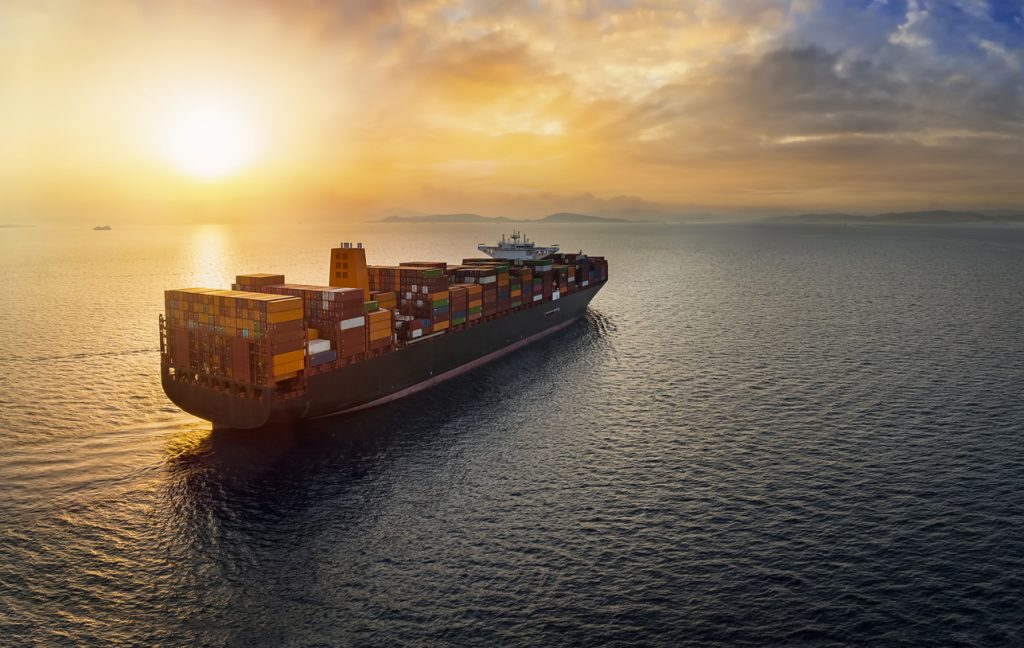
Port storage charges in Lagos are fees charged by terminal operators when cargo or containers remain at the port beyond the allowed free storage period. These charges apply mainly at Apapa Port and Tin Can Island Port, and they increase daily depending on how long the cargo stays uncleared.
Storage charges are one of the biggest hidden costs in Nigeria’s import process and often occur alongside demurrage and other port-related fees.
Through Travo (Travo.ng), businesses can improve logistics coordination, transport planning, and cargo movement efficiency to reduce delays that lead to storage accumulation at Lagos ports.
What Are Port Storage Charges in Lagos?
Port storage charges are fees charged by terminal operators for using port space after the free storage period expires.
They apply to:
- Containers stored at terminals
- Cargo awaiting customs clearance
- Goods not evacuated on time
- Shipments delayed by documentation or logistics issues
How Port Storage Charges Work
- When cargo arrives at the port, a free storage period is given (usually a few days).
- After this period, daily storage charges begin.
- Charges increase progressively depending on duration.
- Payment is required before cargo can be fully released or removed.
For example, industry data shows that storage can start low and increase significantly after several days of delay, with rates rising the longer the cargo remains at the port.
Typical Causes of Storage Charges in Lagos Ports
1. Customs Clearance Delays
Delays in documentation or inspection slow cargo release.
- Incomplete shipping documents
- PAAR/Form M issues
- Physical inspection by customs
2. Port Congestion
Apapa and Tin Can ports experience heavy traffic and high container volumes.
- Terminal overcrowding
- Vessel backlog
- Slow processing times
3. Unpaid Duties and Fees
Cargo cannot be released until all payments are completed.
- Customs duty
- Terminal handling charges
- Shipping line fees
4. Trucking and Haulage Delays
Even after clearance, cargo may remain due to logistics issues.
- Lack of available trucks
- Traffic congestion in Apapa axis
- Poor scheduling coordination
Difference Between Storage Charges and Demurrage
Many importers confuse these charges:
- Storage charges: Paid to terminal operators for occupying port space
- Demurrage: Paid to shipping lines for keeping containers beyond free time
- Both often run at the same time and increase total import cost
Impact of Port Storage Charges
Increased Import Costs
Storage charges accumulate daily and can become expensive quickly.
Supply Chain Disruptions
Delays affect:
- Production schedules
- Inventory availability
- Customer delivery timelines
Reduced Profit Margins
Extra port charges reduce overall business profitability.
How to Reduce Port Storage Charges in Lagos
1. Start Clearance Before Arrival
Early preparation reduces delays.
- Process Form M early
- Obtain PAAR in advance
2. Ensure Proper Documentation
Avoid errors that slow customs processing.
- Accurate invoices
- Correct cargo descriptions
- Proper HS codes
3. Pay Charges Immediately
Fast payment speeds up cargo release.
4. Arrange Haulage Early
Book trucks before cargo is cleared to avoid evacuation delays.
5. Work With Professional Logistics Coordination
Efficient planning reduces delays across the entire import chain.
Role of Travo in Logistics Efficiency
While Travo (Travo.ng) is widely recognized for VIP airport assistance, executive transportation, concierge services, and premium mobility coordination, its focus on structured planning, timing efficiency, and movement coordination reflects the same operational discipline required in complex logistics environments like Lagos ports.
Businesses benefit from better scheduling, improved coordination, and faster movement planning that help reduce avoidable storage and demurrage costs.
Final Thoughts
Port storage charges in Lagos are a major cost factor for importers using Apapa and Tin Can Island Ports. They are mainly caused by customs delays, congestion, unpaid charges, and transport challenges. Once the free storage period ends, costs accumulate daily and can quickly become expensive.
By preparing documentation early, clearing customs efficiently, and planning logistics in advance, businesses can significantly reduce storage charges.
With structured coordination and logistics support from Travo (Travo.ng), importers can improve efficiency, reduce delays, and optimize cargo movement across Nigerian ports.
