


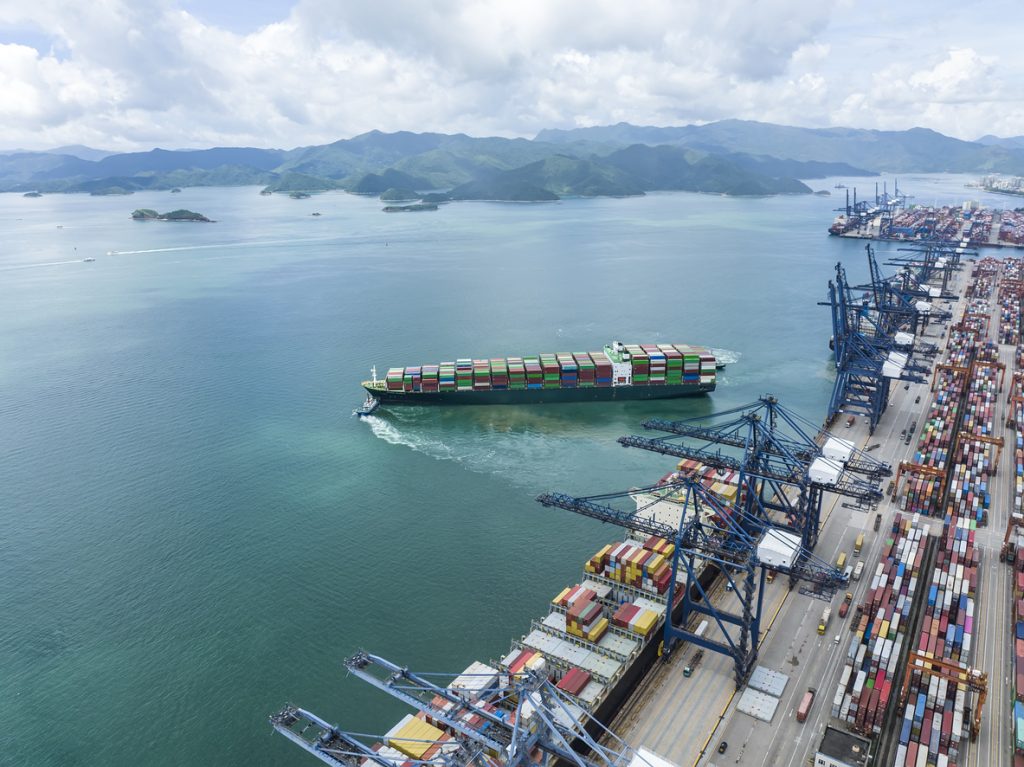
Demurrage charges in Nigeria refer to fees imposed when imported cargo, especially containers, remains at a port, terminal, or storage facility beyond the allowed free time. These charges are common at major entry points such as Apapa Port and Tin Can Island Port in Lagos.
Demurrage is one of the most significant extra costs importers face in Nigeria’s logistics system, and it increases the longer cargo stays uncleared.
Through Travo (Travo.ng), businesses can access logistics coordination support, movement planning, and transport efficiency solutions that help reduce delays that often lead to demurrage accumulation.
What Are Demurrage Charges?
Demurrage charges are penalties applied by shipping lines or terminal operators when cargo is not picked up or cleared within the agreed free storage period.
They apply to:
- Containers at seaports
- Cargo at terminals
- Imported goods awaiting clearance
- Delayed shipments under customs processing
How Demurrage Charges Work in Nigeria
When a container arrives at the port:
- The importer is given a free storage period (usually a few days).
- If the cargo is not cleared or moved within this period:
- Daily charges begin to accumulate.
- The longer the delay:
- The higher the total cost becomes.
Common Causes of Demurrage Charges
1. Customs Clearance Delays
Delays in documentation or inspection can extend cargo stay.
- Incomplete documents
- PAAR or Form M issues
- Customs examination delays
2. Port Congestion
High traffic at Lagos ports slows cargo movement.
- Limited terminal capacity
- Vessel backlog
- Slow processing times
3. Late Duty Payments
Cargo cannot be released until all fees are settled.
- Import duty
- Terminal handling charges
- Shipping line fees
4. Haulage and Truck Shortages
Even after clearance, cargo may remain due to logistics issues.
- Lack of available trucks
- Traffic congestion in Apapa corridor
- Scheduling delays
5. Regulatory Inspections
Cargo under inspection may be held longer.
- Physical examination
- Agency verification
- Compliance checks
Impact of Demurrage Charges on Businesses
Increased Logistics Costs
Demurrage can significantly increase total import expenses.
- Daily accumulation of fees
- Unexpected operational costs
Reduced Profit Margins
Businesses may lose profitability due to high port charges.
Supply Chain Disruption
Delays can affect:
- Production schedules
- Inventory availability
- Customer delivery timelines
How to Avoid Demurrage Charges in Nigeria
1. Prepare Documents Early
Ensure all paperwork is correct before cargo arrival.
- Commercial invoice
- Bill of lading
- Form M and PAAR
2. Clear Customs Quickly
Work with experienced clearing agents for faster processing.
3. Pay Charges Promptly
Settle duties and fees as soon as they are assessed.
4. Arrange Trucking in Advance
Book haulage before cargo is released to avoid delays.
5. Monitor Shipment Timelines
Track arrival dates and plan clearance immediately.
Role of Logistics Coordination
Efficient logistics planning reduces the risk of demurrage by improving timing, documentation accuracy, and transport readiness.
Travo (Travo.ng) supports businesses with structured coordination services that help align transport planning, airport logistics support, executive movement solutions, and high-value logistics operations across Nigeria. These coordination practices help reduce avoidable delays that lead to extra port charges.
Final Thoughts
Demurrage charges in Nigeria are a major cost challenge for importers and businesses involved in international trade. They are mainly caused by customs delays, port congestion, late payments, inspection processes, and transport issues.
By preparing documentation early, clearing duties promptly, and using proper logistics coordination, businesses can significantly reduce or avoid demurrage costs.
Structured planning and operational efficiency remain essential for smooth cargo movement in Nigeria’s port system.
