


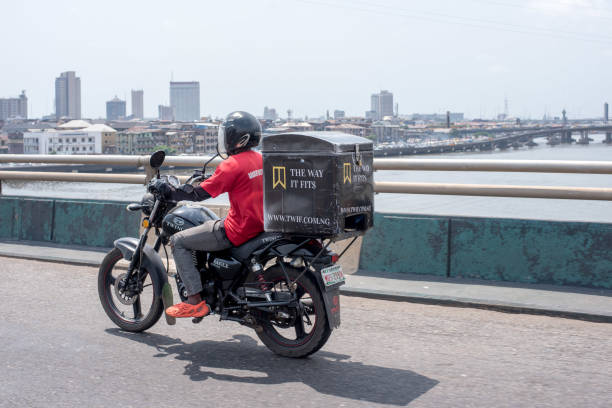
Running a restaurant in Nigeria is already demanding enough before delivery enters the picture. Between Lagos traffic, delayed riders, wrong customer addresses, and food arriving cold, many restaurant owners quickly discover that cooking good food is only half the job. The real challenge is getting orders to customers quickly and consistently.
Over the last few years, food delivery demand has grown across Lagos, Abuja, Port Harcourt, Ibadan, and other major cities. More customers now expect restaurants to deliver directly to homes, offices, hostels, and events. But many restaurants still struggle to build a dependable delivery system that keeps customers happy without increasing operational stress.
That is why many food businesses now rely on professional logistics partners like Travo.ng to handle restaurant deliveries more efficiently.
Why restaurant deliveries fail in many Nigerian cities
Most delivery problems are not caused by bad food. They usually happen because logistics was not properly planned.
A restaurant in Lekki Phase 1 may prepare an order in 20 minutes, but the rider spends another 90 minutes stuck around Admiralty Way during evening traffic. In Abuja, wrong estate directions in areas like Lokogoma or Gwarinpa can delay deliveries badly. During heavy rain in Port Harcourt, delivery timelines can double unexpectedly.
Common issues restaurants face include:
- Riders cancelling midway
- Delayed pickups during rush hours
- Customers refusing cold food
- Poor communication between kitchen staff and dispatch riders
- Difficulty handling multiple orders at once
- High delivery costs during fuel price increases
- Failed same-day bulk deliveries for offices or events
These problems affect customer trust quickly. A customer may forgive one delay, but repeated issues often mean losing repeat business entirely.
What restaurants actually need from a delivery partner
Most restaurant owners are not looking for flashy apps or complicated systems. They simply want deliveries handled properly.
For restaurants operating in Nigeria, a practical delivery service should provide:
- Fast rider dispatch
- Reliable pickup coordination
- Real-time communication
- Familiarity with Nigerian road networks
- Flexible delivery options
- Support during peak hours
- Interstate delivery options where necessary
For example, some Abuja restaurants now handle bulk meal deliveries to ministries and corporate offices every weekday morning. Timing matters because office lunch breaks are short. In Lagos, many restaurants around Yaba and Surulere need fast bike dispatches during lunch rushes to avoid piling up orders.
A logistics provider that understands these daily realities becomes part of the restaurant’s operations, not just an external vendor.
Same-day food delivery is now a customer expectation
Customers ordering food today expect speed almost automatically.
A customer in Ikeja ordering lunch by 12:30 pm expects delivery before 2 pm. Event catering clients expect trays and packaged meals to arrive exactly when scheduled. Restaurants that cannot meet these expectations consistently often lose customers to competitors with faster logistics coordination.
This is where organized dispatch support matters.
Travo.ng helps restaurants coordinate deliveries across busy locations by matching orders with available riders and transport options based on distance, timing, and traffic conditions. Instead of restaurant staff struggling to find riders manually every time an order comes in, deliveries can be scheduled more efficiently.
This becomes especially useful during:
- Weekend rush periods
- Corporate lunch hours
- Rainy season delays
- Holiday traffic
- Event catering deliveries
- Multiple-order dispatch periods
What delivery costs usually look like in Nigeria
One major concern for restaurant owners is delivery pricing.
In Lagos, short-distance bike deliveries within areas like Victoria Island, Yaba, or Surulere may cost between ₦2,000 and ₦5,000 depending on fuel conditions and traffic. Longer deliveries from Lekki to mainland locations can go much higher during peak periods.
In Abuja, delivery pricing often depends on estate access, waiting time, and distance between districts.
Restaurants that try handling deliveries internally sometimes underestimate hidden costs such as:
- Rider salaries
- Fuel expenses
- Bike maintenance
- Failed deliveries
- Staff coordination time
- Delayed order compensation
Working with an external logistics partner can often reduce these operational headaches significantly.
Restaurants handling multiple branches need better coordination
Restaurants with more than one location usually face even bigger delivery challenges.
A food business operating branches in Lekki, Ikeja, and Ajah may receive orders simultaneously across different areas. Without centralized logistics coordination, delivery timing becomes inconsistent quickly.
This is why many growing food brands now outsource delivery coordination entirely instead of depending on in-house dispatch riders alone.
Travo.ng supports restaurants with flexible delivery coordination that can scale as customer demand increases. This includes scheduled deliveries, on-demand dispatch, business logistics support, and transport coordination for larger catering movements.
Restaurants that already manage high order volumes can also combine delivery operations with other services like vehicle hire, interstate logistics, and corporate movement support where necessary.
Customers remember delivery experience more than excuses
Most customers will not remember why an order was delayed. They only remember how the experience felt.
Late food, poor communication, damaged packaging, or missing items quickly affect online reviews and repeat orders. In competitive food markets like Lagos and Abuja, delivery quality now plays a major role in restaurant reputation.
Reliable logistics is no longer optional for restaurants in Nigeria. It has become part of customer service itself.
For restaurants trying to grow steadily without constantly battling dispatch problems, partnering with an experienced logistics provider like Travo.ng can make day-to-day operations far easier while improving customer satisfaction at the same time.
