


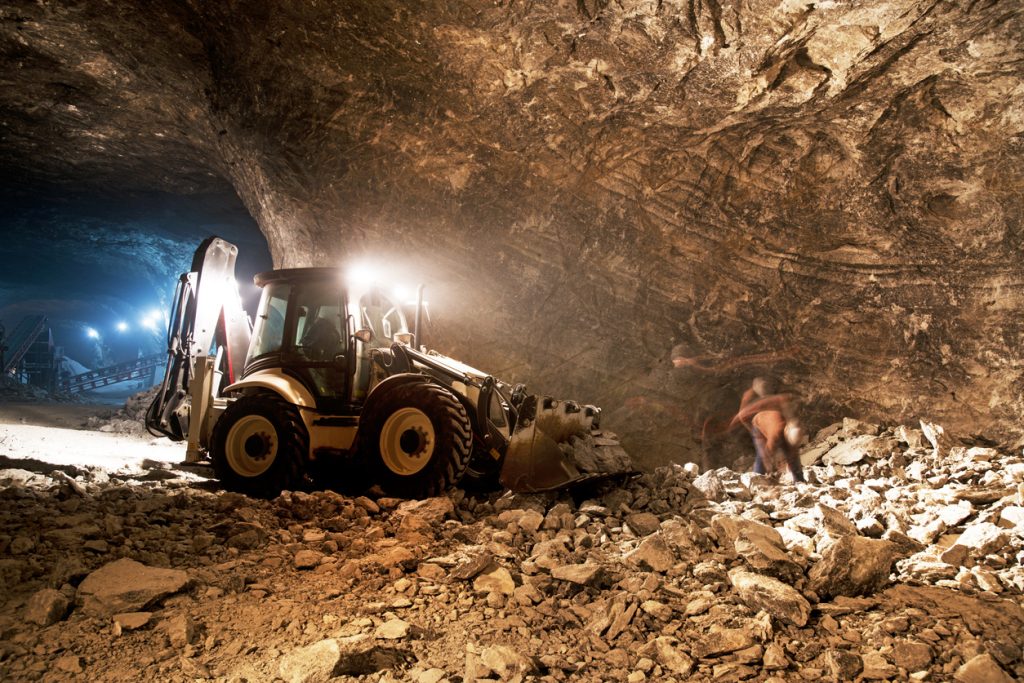
When a project is about to begin, whether it is a housing estate in Abuja, a road project in Ogun State, or a mining operation in Kogi, one of the first questions stakeholders ask is simple: What exactly is beneath the ground?
That is where geological consulting Nigeria services become essential.
Many projects face costly delays because soil conditions, groundwater levels, rock formations, or environmental factors were not properly assessed before work started. A reliable geological assessment helps developers, construction firms, mining companies, and investors make informed decisions before committing significant resources.
In Nigeria, where terrain and geological conditions vary widely from one region to another, professional geological consulting plays a critical role in project planning and risk management.
Why Ground Conditions Matter More Than Most People Realize
A site that appears suitable on the surface may present serious challenges once excavation begins.
For example, parts of Lagos experience high groundwater levels that can affect foundation work. In some areas of the Middle Belt, rocky formations may increase excavation costs significantly. Northern states may have different soil stability considerations compared to coastal regions.
Without proper geological investigation, project owners can face:
- Unexpected construction costs
- Foundation failures
- Drainage problems
- Land instability issues
- Regulatory compliance challenges
- Delays in project completion
These risks often cost far more than conducting proper geological studies from the beginning.
What Geological Consultants Typically Assess
The scope of work depends on the project type and location.
For construction and infrastructure projects, consultants commonly evaluate:
- Soil composition
- Rock formations
- Groundwater conditions
- Site stability
- Foundation suitability
- Environmental factors
- Erosion risks
For mining and mineral exploration projects, geological consultants may also conduct:
- Resource evaluation
- Geological mapping
- Sampling programs
- Mineral identification
- Exploration planning
The findings help engineers, developers, and investors determine whether a project is technically feasible and financially viable.
Common Projects That Require Geological Consulting in Nigeria
Geological consulting is not limited to large mining companies.
Many industries rely on geological expertise, including:
Residential and Commercial Construction
Developers building estates, shopping complexes, office buildings, or residential towers often require geotechnical and geological assessments before construction begins.
Road and Infrastructure Development
Major highways, bridges, drainage systems, and public infrastructure projects depend on accurate ground condition data to ensure long-term durability.
Mining Operations
Nigeria’s growing mining sector requires geological surveys for exploration, resource estimation, and operational planning.
Industrial Facilities
Factories, warehouses, manufacturing plants, and energy projects often need detailed subsurface investigations before development starts.
What It Can Cost to Conduct Geological Surveys
Costs vary significantly depending on project size, location, and investigation requirements.
For smaller construction projects, preliminary geological and geotechnical assessments may range from several hundred thousand naira to a few million naira.
Larger infrastructure or mining projects often require more extensive fieldwork, drilling programs, laboratory testing, and detailed reporting, which can increase costs substantially.
The most important consideration is not the survey cost itself but the potential financial losses that can result from poor site information.
Logistics Challenges During Geological Fieldwork
One aspect that is often overlooked is transportation and logistics.
Geological teams frequently travel between multiple project locations carrying equipment, samples, surveying tools, and technical personnel. Some sites may be located in remote parts of Nigeria with limited transport infrastructure.
Coordinating:
- Vehicle hire
- Staff transportation
- Airport pickups
- Hotel reservations
- Equipment movement
- Interstate travel arrangements
can become a major operational challenge.
This is where Travo.ng supports project teams by helping coordinate transportation, accommodation bookings, logistics movement, and business travel requirements associated with field operations.
For organizations managing multiple site visits across different states, having a single platform handle these arrangements can reduce administrative burdens significantly.
Mistakes Project Owners Often Make
Several recurring issues arise when organizations rush project planning.
The most common mistakes include:
- Starting construction before completing site investigations
- Choosing consultants based solely on the lowest price
- Ignoring environmental and drainage considerations
- Underestimating transportation and logistics needs
- Delaying geological assessments until after project approvals
These decisions often create avoidable expenses later in the project lifecycle.
Planning Geological Projects More Efficiently
Successful geological investigations require more than technical expertise.
They depend on effective coordination between consultants, engineers, project managers, transport providers, accommodation partners, and support teams.
For businesses operating across Nigeria, combining professional geological consulting with reliable travel and logistics coordination helps projects move faster and more efficiently.
Whether teams are traveling from Lagos to Abuja for site inspections, coordinating accommodation for field personnel, arranging vehicle hire for remote locations, or managing project logistics across multiple states, careful planning makes a significant difference.
Travo.ng supports businesses with practical travel, transport, booking, and logistics solutions that help keep geological, construction, and infrastructure projects running smoothly from planning through execution.
