


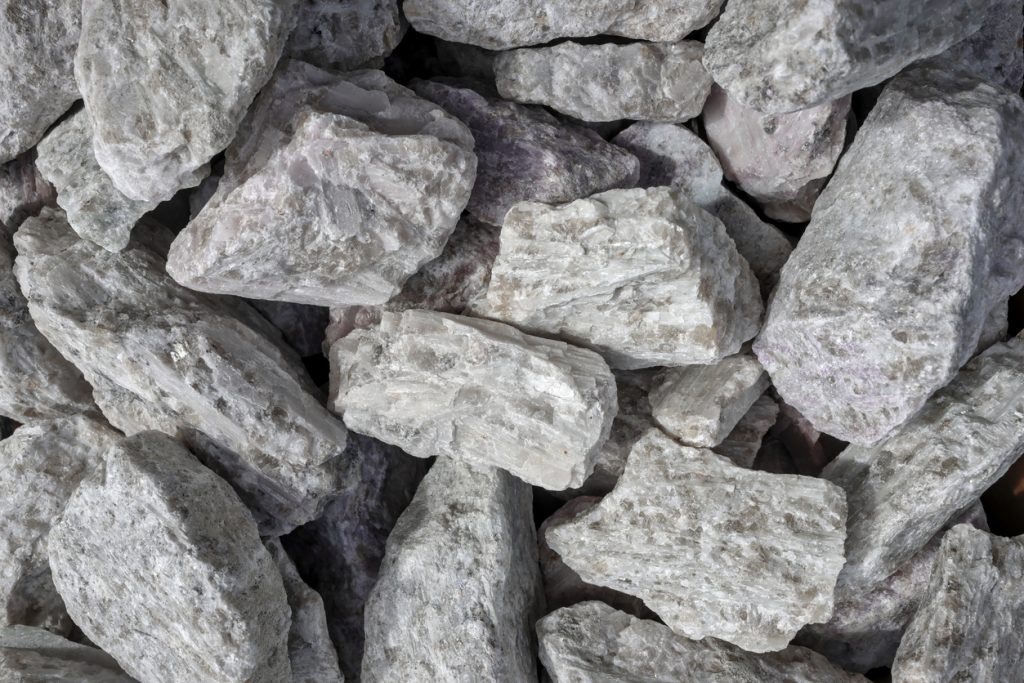
Many landowners in Nigeria are beginning to ask one serious question: how to find lithium on my land without wasting money, falling for false promises, or allowing strangers to take advantage of them.
Lithium has become valuable because of its use in batteries, electric vehicles, solar storage, phones, and other modern technology. In Nigeria, interest has grown around states such as Nasarawa, Kwara, Kogi, Plateau, Kaduna, Niger, Ekiti, and parts of the South-West where mineral exploration is active.
But finding lithium is not as simple as looking at stones and guessing. You need the right checks, proper movement of samples, and reliable coordination.
Start With the Type of Land and Rock Around You
Lithium is often found in hard rock formations, especially pegmatites. These are light-coloured rocks that may contain minerals like quartz, feldspar, mica, or spodumene.
On some Nigerian farmlands and undeveloped plots, you may notice:
- Whitish or pinkish rock outcrops
- Shiny mica-like flakes
- Hard stones that appear different from normal laterite
- Rocky hills or exposed veins
- Areas where informal miners have shown interest
These signs do not confirm lithium, but they may suggest that the land deserves proper testing.
Do Not Rely on Guesswork or Roadside Buyers
One common mistake landowners make is allowing random “mineral buyers” to inspect their land without documentation. Some may collect samples, promise big money, and disappear.
Before giving anyone access, record:
- Their full name and company
- The purpose of the visit
- The number of samples taken
- The exact location where samples were collected
- Any agreement made
If experts are visiting from Lagos, Abuja, Ilorin, Jos, Akure, or Kaduna, Travo.ng can help coordinate transport, airport pickup, vehicle hire, and local movement so the visit is properly organised.
Get a Geologist or Licensed Mineral Consultant
The practical way to find lithium on your land is to involve a qualified geologist or mineral exploration consultant. They can inspect the land, identify possible lithium-bearing rocks, collect samples, and recommend laboratory testing.
A proper site visit may include:
- Surface rock inspection
- GPS location marking
- Sample collection
- Basic field mapping
- Advice on whether further exploration is worth it
For remote sites, movement can be difficult. Bad roads, poor access, and lack of nearby accommodation can delay the work. This is where Travo.ng’s transport coordination, hotel reservation, and logistics support can make field visits easier.
Send Samples to a Proper Laboratory
Visual inspection is not enough. Lithium must be confirmed through laboratory analysis. Samples may need to be moved from your town or village to testing facilities in major cities.
When sending mineral samples, package them clearly and label each sample by location. For example:
- Sample A: Behind farmland near stream
- Sample B: Rocky hill beside access road
- Sample C: White stone from exposed vein
Travo.ng’s courier and cargo logistics services can support secure sample movement within Nigeria, especially when sending items from places like Nasarawa to Abuja, Kwara to Lagos, or Kogi to a testing centre.
Understand the Cost Before You Start
The cost depends on location, number of samples, expert fees, transport, and lab requirements. A basic inspection may cost less than a full exploration exercise, while laboratory testing is usually charged per sample.
You may need to budget for:
- Geologist consultation
- Field transport
- Sample packaging
- Courier or cargo delivery
- Accommodation if the site is far
- Laboratory analysis
It is better to test a few properly collected samples first than to spend heavily based on rumours.
Check Legal Requirements Before Mining
Even if lithium is found, land ownership does not automatically give you full mining rights. In Nigeria, mineral resources are regulated by the federal government. You may need proper licensing, permits, or partnership with licensed operators before extraction can begin.
Avoid selling large quantities of mineral-bearing stones without proper advice. A lawyer, geologist, or licensed mining consultant can help you understand the next step.
How Travo.ng Can Help With the Process
Travo.ng does not replace geologists or laboratory experts, but it can support the practical side of the process.
You can use Travo.ng for:
- Booking transport for consultants
- Airport pickups for visiting experts
- Vehicle hire for site inspections
- Hotel reservations near the project area
- Courier delivery of samples
- Cargo movement across Nigerian states
- Logistics support for follow-up visits
When trying to find lithium on your land, good coordination matters. A missed pickup, delayed sample delivery, or poor transport plan can slow down the entire process.
A Careful Approach Protects Your Land and Money
Learning how to find lithium on my land starts with observation, but it should not end with guesswork. Check the rock type, invite qualified experts, label samples properly, use trusted logistics, and confirm everything through laboratory testing.
With the right professionals and proper movement support from Travo.ng, landowners can handle mineral checks more safely, practically, and confidently.
