


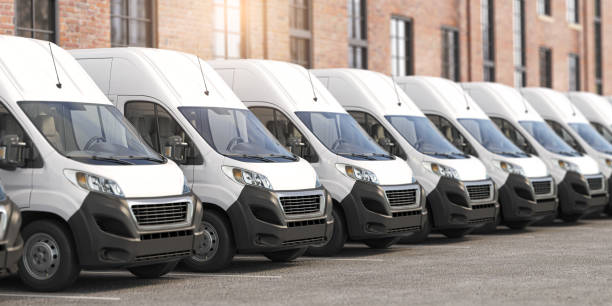
A fleet leasing and management company is a specialized organization that provides transportation assets—such as motorcycles, vans, trucks, buses, or specialized logistics vehicles—on a lease basis while also managing their day-to-day operations, maintenance, deployment, and financial performance.
This model combines asset leasing with full fleet management to help businesses and investors access transportation capacity without owning or directly operating vehicles.
What a fleet leasing and management company means
This type of company performs two core functions:
1. Fleet leasing
Provides vehicles to clients or investors under structured rental or lease agreements.
2. Fleet management
Handles all operational aspects of the leased assets, including logistics, maintenance, and performance optimization.
In simple terms, it offers “vehicles as a service” with full operational support.
Why fleet leasing and management companies are important
Transportation assets are expensive and operationally demanding.
Without leasing and management services, businesses may face:
- High capital expenditure on vehicle purchases
- Complex maintenance and repair responsibilities
- Inefficient fleet utilization
- Poor operational coordination
- Weak return on investment (ROI)
Fleet leasing solutions reduce these barriers by making transportation more flexible and manageable.
Core services of a fleet leasing and management company
1. Fleet leasing services
Provides access to vehicles without ownership.
This includes:
- Short-term and long-term leasing
- Flexible rental structures
- Asset financing arrangements
- Leasing of motorcycles, vans, trucks, and buses
- Custom lease agreements for businesses
2. Fleet acquisition and onboarding
Ensures proper setup of leased assets.
This includes:
- Vehicle sourcing and procurement
- Registration and documentation
- Insurance coverage
- Compliance with transport regulations
- Asset inspection and readiness checks
3. Fleet operations management
Handles day-to-day logistics activities.
This includes:
- Dispatch and delivery coordination
- Route planning and optimization
- Driver and rider management
- Load balancing and scheduling
- Real-time operations monitoring
4. Maintenance and asset care
Ensures reliability and longevity of vehicles.
This includes:
- Preventive maintenance scheduling
- Repairs and servicing coordination
- Predictive diagnostics
- Spare parts management
- Breakdown response systems
5. Driver and workforce management
Optimizes human performance in fleet operations.
This includes:
- Recruitment and onboarding
- Training on safety and efficiency
- Shift scheduling
- Performance tracking
- Incentive and compliance systems
6. Fuel and cost optimization
Reduces operational expenses.
This includes:
- Fuel monitoring systems
- Cost-per-trip analysis
- Driver behavior tracking
- Route optimization
- Expense control systems
7. Financial reporting and ROI tracking
Ensures transparency and performance visibility.
This includes:
- Revenue tracking per asset
- Lease income management
- Cost breakdown analysis
- Net profit calculations
- ROI and performance reporting
Key performance indicators (KPIs)
Fleet leasing and management companies are measured using:
- Asset utilization rate
- Revenue per leased asset
- Cost per delivery or trip
- Maintenance cost ratio
- Fuel efficiency
- Downtime rate
- Return on investment (ROI)
- Lease occupancy rate
Benefits of fleet leasing and management companies
Reduced capital requirements
Clients avoid large upfront vehicle purchases.
Operational efficiency
Experts handle logistics and fleet operations.
Predictable income streams
Leasing creates stable revenue models.
Scalability
Easy to expand fleet size or operations.
Reduced risk exposure
Operational risks are managed by professionals.
Challenges in fleet leasing and management
Despite advantages, challenges include:
- High maintenance costs
- Asset depreciation over time
- Fuel price volatility
- Driver performance variability
- Market demand fluctuations
Risks in fleet leasing operations
Without proper systems, risks may include:
- Low asset utilization
- Lease payment defaults
- Operational inefficiencies
- Poor maintenance management
- Weak ROI for investors or owners
Technology used in fleet leasing and management
Modern systems rely on:
- GPS tracking and telematics
- Fleet management software
- AI-based route optimization
- Predictive maintenance systems
- Fuel monitoring tools
- Mobile driver applications
- Financial analytics dashboards
These tools improve efficiency, transparency, and accountability.
Where logistics coordination fits in
Fleet leasing and management companies operate within broader logistics ecosystems such as:
- E-commerce delivery networks
- Courier and express logistics
- Freight and cargo transportation systems
- Urban last-mile delivery operations
- Supply chain distribution networks
Efficient coordination ensures maximum asset productivity.
How Travo.ng supports logistics coordination
While fleet leasing and management companies focus on providing and operating transport assets, logistics coordination ensures smooth movement of goods across supply chains.
Travo.ng supports logistics operations through:
- Cargo consolidation and freight coordination
- Intercity and interstate delivery services
- Port-to-destination logistics support
- Supply chain coordination across Nigeria
- End-to-end logistics execution for cargo movement
This enhances fleet utilization and strengthens overall logistics performance.
Final thoughts
Fleet leasing and management companies play a crucial role in modern logistics by making transportation assets accessible, manageable, and profitable. By combining leasing structures with professional operations, they enable businesses and investors to scale efficiently without heavy operational burdens.
In today’s logistics economy, success depends not only on owning or leasing assets, but on how effectively they are managed and optimized for continuous performance.
