


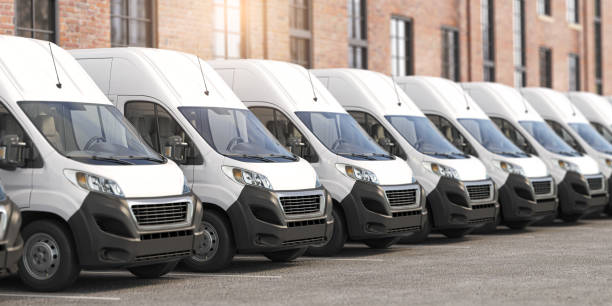
Transportation asset operators are companies or entities responsible for the day-to-day operation, deployment, and management of transport assets such as motorcycles, vans, trucks, buses, aircraft, and other logistics vehicles. They ensure that these assets are actively used to generate revenue through logistics, passenger transport, or freight services.
These operators sit at the core of modern logistics systems by converting owned or leased assets into productive, income-generating units.
What transportation asset operators mean
Transportation asset operators manage the full operational lifecycle of vehicles and mobility assets on behalf of owners or investors.
Their responsibilities typically include:
- Fleet deployment and scheduling
- Driver and rider management
- Route planning and optimization
- Maintenance coordination
- Fuel and cost management
- Real-time tracking and reporting
- Revenue generation and utilization optimization
- Compliance and safety enforcement
In simple terms, they “run the fleet” so asset owners do not have to manage daily operations.
Why transportation asset operators are important
Transportation assets are expensive and require constant management to remain profitable.
Without professional operators, challenges may include:
- Low vehicle utilization
- Poor coordination and dispatch inefficiency
- High maintenance and repair costs
- Weak revenue generation
- Operational downtime
- Poor return on investment (ROI)
Operators solve these problems by introducing structure, systems, and expertise.
Core functions of transportation asset operators
1. Fleet deployment and operations
Ensures assets are actively used for income generation.
This includes:
- Assigning vehicles to logistics routes
- Managing daily dispatch operations
- Coordinating deliveries or transport services
- Balancing fleet workload
- Managing peak demand periods
2. Driver and rider workforce management
Human resources are critical to operations.
This includes:
- Recruitment and onboarding
- Training for safety and efficiency
- Shift scheduling and supervision
- Performance monitoring
- Incentive and accountability systems
3. Maintenance and asset reliability
Ensures vehicles remain operational and safe.
This includes:
- Preventive maintenance scheduling
- Repair coordination with workshops
- Predictive diagnostics
- Spare parts management
- Breakdown response systems
4. Fuel and cost optimization
Controls operational expenses.
This includes:
- Monitoring fuel consumption
- Reducing wastage and inefficiency
- Cost-per-trip analysis
- Route optimization
- Budget and expense control
5. Dispatch and route optimization
Improves delivery speed and efficiency.
This includes:
- Smart order assignment
- Traffic-aware route planning
- Multi-stop delivery sequencing
- Real-time rerouting
- Zone-based dispatching
6. Real-time tracking and visibility
Provides operational transparency.
This includes:
- GPS tracking of all assets
- Live movement monitoring
- Geofencing and zone control
- Performance dashboards
- Asset utilization tracking
7. Financial reporting and performance management
Ensures accountability and ROI tracking.
This includes:
- Revenue per asset tracking
- Cost breakdown analysis
- Net profit reporting
- Maintenance cost ratio
- ROI and payback period analysis
Key performance indicators (KPIs)
Transportation asset operators are evaluated using:
- Asset utilization rate
- Cost per trip or delivery
- Revenue per asset
- Fuel efficiency
- Maintenance cost ratio
- Downtime rate
- Delivery success rate
- Return on investment (ROI)
Benefits of transportation asset operators
Higher asset productivity
Ensures vehicles are consistently generating revenue.
Reduced operational burden
Owners do not manage daily logistics.
Improved efficiency
Optimized dispatch and routing systems increase output.
Better cost control
Fuel and maintenance expenses are minimized.
Scalable operations
Easily expand fleet size and coverage.
Challenges in transportation asset operations
Despite advantages, challenges include:
- Traffic congestion and infrastructure limitations
- Fuel price volatility
- Driver behavior inconsistencies
- Maintenance unpredictability
- Demand fluctuations in logistics markets
Risks of unmanaged transportation assets
Without professional operators, asset owners may face:
- Low or inconsistent income
- High maintenance expenses
- Poor fleet utilization
- Frequent downtime
- Weak ROI and financial losses
Technology used by transportation asset operators
Modern operators rely on:
- GPS tracking and telematics
- Fleet management systems
- AI-based route optimization
- Mobile driver applications
- Fuel monitoring systems
- Predictive maintenance tools
- Real-time analytics dashboards
These tools improve efficiency, accountability, and profitability.
Where logistics coordination fits in
Transportation asset operators function within broader logistics ecosystems such as:
- E-commerce fulfillment networks
- Courier and express delivery services
- Freight and cargo transportation systems
- Urban last-mile delivery operations
- Intercity logistics networks
Effective coordination ensures maximum asset utilization and performance.
How Travo.ng supports logistics coordination
While transportation asset operators focus on managing fleets and assets, logistics coordination ensures smooth movement of goods across supply chains.
Travo.ng supports logistics operations through:
- Cargo consolidation and freight coordination
- Intercity and interstate delivery services
- Port-to-destination logistics support
- Supply chain coordination across Nigeria
- End-to-end logistics execution for cargo movement
This enhances asset utilization and strengthens overall logistics efficiency.
Final thoughts
Transportation asset operators are essential to modern logistics systems, transforming idle vehicles into productive, revenue-generating assets. By managing deployment, maintenance, drivers, and operations, they ensure efficiency, profitability, and scalability for asset owners and investors.
In today’s logistics economy, success depends not just on owning transportation assets, but on how effectively they are operated and optimized at scale.
