


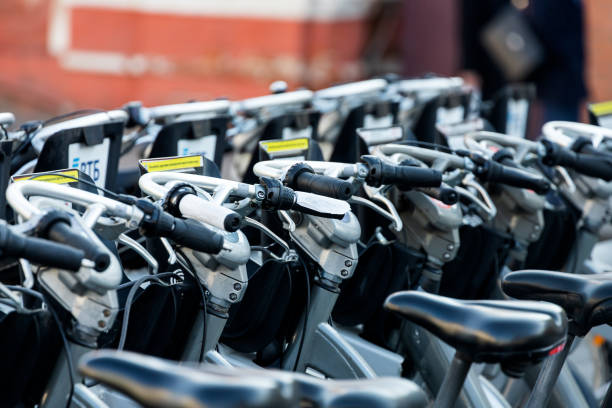
Last mile bike fleet management refers to the planning, coordination, and optimization of motorcycle or bicycle fleets used specifically for the final stage of delivery—moving goods from a distribution hub to the end customer. This stage is the most critical part of the logistics chain because it directly affects delivery speed, cost, and customer satisfaction.
Bike fleets are widely used for last-mile delivery in e-commerce, courier services, food delivery, pharmacy logistics, and urban retail distribution.
What last mile bike fleet management means
Last mile bike fleet management is the process of controlling all operational activities involved in using bikes for final delivery.
It typically includes:
- Rider dispatch and order allocation
- Real-time GPS tracking
- Route optimization for urban environments
- Delivery execution and coordination
- Fuel or energy management
- Rider supervision and performance tracking
- Maintenance and readiness of bikes
- Proof of delivery (POD) systems
- Financial reporting and ROI tracking
In simple terms, it ensures packages reach customers quickly, accurately, and cost-effectively using bike fleets.
Why last mile bike fleet management is important
The last mile is the most expensive and complex stage of logistics.
Without proper management, companies may experience:
- Delayed or failed deliveries
- High fuel and operational costs
- Poor rider coordination
- Low customer satisfaction
- Inefficient routing and wasted time
- Weak profitability
Effective fleet management solves these challenges through structure and optimization.
Core components of last mile bike fleet management
1. Dispatch and order allocation
Efficient dispatch ensures speed and balance.
This includes:
- Assigning orders to nearest riders
- Grouping deliveries by zones
- Prioritizing urgent deliveries
- Reducing idle time
- Managing peak delivery demand
2. Route optimization and navigation
Optimized routes reduce delays and cost.
This includes:
- Shortest-path delivery routing
- Traffic-aware navigation
- Multi-stop route sequencing
- Real-time rerouting
- Urban zone optimization
3. Rider coordination and workforce management
Riders are essential to last-mile success.
This includes:
- Recruitment and onboarding
- Training on delivery efficiency and safety
- Shift scheduling
- Performance monitoring
- Incentive and accountability systems
4. Real-time tracking and visibility
Transparency improves control and trust.
This includes:
- GPS tracking of all bikes
- Live delivery updates
- ETA monitoring
- Geofencing delivery zones
- Rider performance dashboards
5. Delivery execution and customer experience
Ensures successful completion of last-mile delivery.
This includes:
- Parcel pickup from hubs
- Final-mile delivery to customers
- Customer notifications
- Failed delivery handling
- Redelivery scheduling
6. Fuel and cost optimization
Cost control is key to profitability.
This includes:
- Monitoring fuel usage per bike
- Reducing wastage or misuse
- Cost-per-delivery tracking
- Driver behavior optimization
- Budget management
7. Maintenance and fleet readiness
Reliable bikes ensure consistent operations.
This includes:
- Preventive maintenance scheduling
- Engine and mechanical checks
- Tire, brake, and oil servicing
- Workshop coordination
- Breakdown recovery systems
8. Financial reporting and ROI tracking
Performance must be measurable.
This includes:
- Cost per delivery analysis
- Revenue per bike tracking
- Rider productivity metrics
- Delivery success rate
- Fleet utilization rate
- Return on investment (ROI)
Key performance indicators (KPIs)
Last mile bike fleet performance is measured using:
- On-time delivery rate
- Cost per delivery
- Rider productivity rate
- Fuel efficiency
- Delivery success rate
- Average delivery time
- Fleet utilization rate
- Customer satisfaction score
- Return on investment (ROI)
Benefits of last mile bike fleet management
Faster delivery times
Bikes are ideal for navigating congested urban areas.
Lower operational costs
Motorcycles are cost-efficient compared to larger vehicles.
High delivery flexibility
Easily adapt to changing delivery demand.
Better customer satisfaction
Fast and reliable delivery improves service quality.
Scalable logistics model
Easy to expand rider networks as demand grows.
Challenges in last mile bike fleet operations
Despite benefits, challenges include:
- Traffic congestion in urban areas
- Rider inconsistency and turnover
- High fuel costs
- Safety risks in busy environments
- Delivery pressure during peak periods
- Weather disruptions
Risks of unmanaged last mile fleets
Without structured systems, companies may face:
- Late or failed deliveries
- High operational costs
- Low rider accountability
- Poor customer experience
- Weak profitability
- Inefficient fleet usage
Technology used in last mile bike fleet management
Modern systems rely on:
- GPS tracking and telematics
- Mobile rider applications
- Route optimization software
- Dispatch management platforms
- Fuel monitoring systems
- Proof-of-delivery tools
- Real-time analytics dashboards
These tools improve efficiency, transparency, and delivery speed.
Where logistics coordination fits into last mile operations
Last mile bike fleets operate within broader logistics ecosystems such as:
- E-commerce fulfillment systems
- Courier and express networks
- Food and pharmacy delivery systems
- Urban distribution hubs
- Supply chain logistics operations
Efficient coordination ensures smooth and timely final delivery.
How Travo.ng supports logistics coordination
While last mile bike fleet management focuses on optimizing final delivery performance, logistics coordination ensures smooth movement of goods across transport systems.
Travo.ng supports logistics operations through:
- Cargo consolidation and freight coordination
- Intercity and interstate delivery services
- Port-to-destination logistics support
- Supply chain coordination across Nigeria
- End-to-end logistics execution for cargo movement
This improves fleet utilization and strengthens overall delivery efficiency.
Final thoughts
Last mile bike fleet management is the most critical stage of modern logistics operations. By combining rider coordination, route optimization, tracking systems, and financial control, businesses can significantly improve delivery speed, reduce costs, and enhance customer satisfaction.
In today’s logistics economy, success depends not just on having bikes, but on how effectively they are managed at the last mile.
