


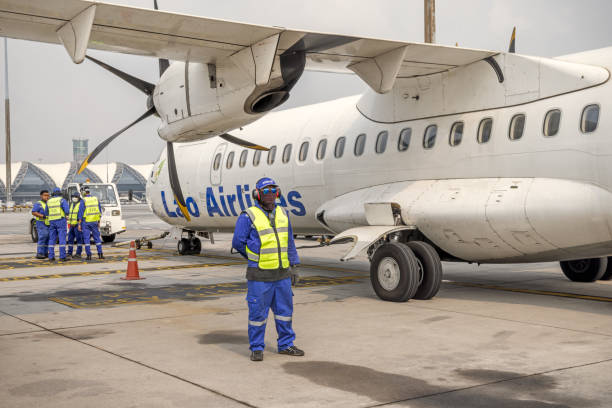
Aircraft ownership syndicate management is a structured aviation model where multiple investors jointly own an aircraft while a professional management company handles all operational, technical, regulatory, and financial responsibilities. This model allows individuals or organizations to access aircraft ownership at a reduced cost while still benefiting from private aviation, charter revenue opportunities, and asset appreciation.
Instead of a single owner bearing the full cost and responsibility of an aircraft, syndicate ownership spreads both the investment and usage rights among multiple stakeholders.
What aircraft ownership syndicate management means
An aircraft syndicate is a co-ownership structure where:
- Multiple investors collectively purchase an aircraft
- Each investor owns a defined share or percentage
- Usage rights are allocated based on ownership or agreed scheduling rules
- A management company operates the aircraft on behalf of all syndicate members
The management company typically handles:
- Flight operations and scheduling coordination
- Maintenance and airworthiness management
- Crew management and staffing
- Regulatory compliance and documentation
- Charter revenue generation (if applicable)
- Financial reporting and cost distribution
In simple terms, ownership is shared, but operations are fully professionalized.
Why aircraft ownership syndicates exist
Aircraft are high-value assets with significant ongoing costs.
A syndicate model helps solve key challenges:
- High purchase cost of aircraft
- Expensive maintenance and operational expenses
- Underutilization when owned individually
- Complexity of aviation regulations
- Difficulty generating consistent revenue from private ownership
By pooling resources, investors reduce financial burden while maintaining access to aviation assets.
How aircraft ownership syndicate management works
Step 1: Formation of the syndicate
A group of investors agrees to jointly purchase an aircraft.
Key elements include:
- Defining ownership shares
- Establishing usage rights
- Agreeing on cost-sharing structure
- Selecting aircraft type and mission profile
Step 2: Aircraft acquisition
The syndicate acquires an aircraft that meets shared requirements.
This process includes:
- Aircraft selection and valuation
- Due diligence and inspection
- Financing and legal structuring
- Registration under syndicate ownership
Step 3: Appointment of a management company
A professional aviation management company is engaged to operate the aircraft.
Responsibilities include:
- Day-to-day flight operations
- Maintenance scheduling
- Crew recruitment and management
- Regulatory compliance
- Financial accounting and reporting
Step 4: Operational use and scheduling
Each syndicate member accesses the aircraft according to:
- Pre-agreed scheduling rules
- Usage quotas based on ownership share
- Priority booking arrangements
- Availability calendars
Step 5: Optional charter revenue generation
When not in use by syndicate members, the aircraft may be chartered to third parties.
Revenue is typically:
- Shared among syndicate members
- Used to offset operational costs
- Managed by the operating company
Core services in aircraft syndicate management
Flight operations and scheduling
Efficient coordination ensures fair usage among owners.
This includes:
- Shared booking systems
- Conflict-free scheduling
- Route and dispatch coordination
- Airport and permit management
Maintenance and technical oversight
Aircraft must remain safe and compliant at all times.
Management includes:
- Routine inspections and servicing
- Engine and system monitoring
- Airworthiness certification tracking
- Coordination with maintenance providers
Crew management
Professional crews ensure safe operations.
Services include:
- Pilot recruitment and rotation
- Cabin crew management
- Training and certification compliance
- Duty time monitoring
Regulatory compliance
Aviation syndicates must comply with strict regulations.
This includes:
- Aircraft registration and ownership documentation
- Aviation authority compliance (ICAO, FAA, EASA standards)
- Insurance coverage management
- Safety audits and reporting
Financial management and cost allocation
Costs are shared among syndicate members.
Management includes:
- Operating cost distribution
- Maintenance fund management
- Fuel and operational expense tracking
- Revenue sharing from charter operations
- Transparent financial reporting
Types of aircraft syndicate models
1. Equal ownership syndicate
All members share equal ownership and usage rights.
2. Proportional ownership syndicate
Usage and costs are allocated based on investment percentage.
3. Charter-enhanced syndicate
Aircraft is actively chartered to generate revenue when not in use.
4. Corporate syndicate model
Companies jointly own aircraft for executive travel needs.
Key performance indicators (KPIs)
Syndicate aircraft management is measured using:
- Aircraft utilization rate
- Cost per flight hour per owner
- Maintenance downtime percentage
- Revenue generated from charter operations
- Scheduling efficiency and fairness
- Return on investment (ROI)
These metrics ensure transparency and performance balance among owners.
Benefits of aircraft ownership syndicates
Lower entry cost
Multiple investors reduce individual financial burden.
Shared operational responsibility
Professional management removes operational complexity.
Better aircraft utilization
Aircraft is used more frequently across multiple owners.
Potential revenue generation
Charter operations can offset ownership costs.
Access to premium aircraft
Investors can access larger or more advanced aircraft than they could individually afford.
Challenges in syndicate ownership
Despite benefits, challenges include:
- Scheduling conflicts between owners
- Differences in usage expectations
- Complex cost-sharing agreements
- Dependence on management company performance
- Regulatory complexity across jurisdictions
Proper legal structuring is essential.
Risks of poorly managed syndicates
Without strong management, syndicates may experience:
- Disputes between owners
- Inefficient aircraft usage
- Financial mismanagement
- High downtime and maintenance delays
- Reduced asset value
- Weak ROI performance
Professional oversight helps mitigate these risks.
Technology used in syndicate management
Modern syndicate operations rely on:
- Shared booking and scheduling platforms
- Aircraft tracking systems
- Predictive maintenance tools
- Financial reporting dashboards
- Compliance management software
- Communication and coordination apps
Technology improves transparency and fairness.
Where logistics coordination fits into syndicate operations
Aircraft syndicates depend on broader logistics systems such as:
- Passenger transportation coordination
- Airport ground handling services
- Cargo and baggage logistics
- Travel itinerary management
- Supply chain integration for charter operations
Efficient logistics improves aircraft availability and user experience.
How Travo.ng supports logistics coordination
While aircraft ownership syndicate management focuses on shared ownership and operational efficiency, logistics coordination ensures smooth movement of passengers and cargo across transport systems.
Travo.ng supports logistics operations through:
- Cargo consolidation and freight coordination
- Intercity and interstate delivery services
- Port-to-destination logistics support
- Supply chain coordination across Nigeria
- End-to-end logistics execution for cargo movement
This helps reduce inefficiencies that can impact aviation operations and aircraft utilization.
Final thoughts
Aircraft ownership syndicate management provides a practical and cost-effective way for multiple investors to access aircraft ownership while reducing financial and operational burden. By combining shared ownership with professional management, syndicates enable efficient aircraft utilization, cost distribution, and potential revenue generation.
In modern aviation investment, syndicate models represent a balanced approach between exclusivity and affordability, making private aviation more accessible while maintaining operational excellence.
