


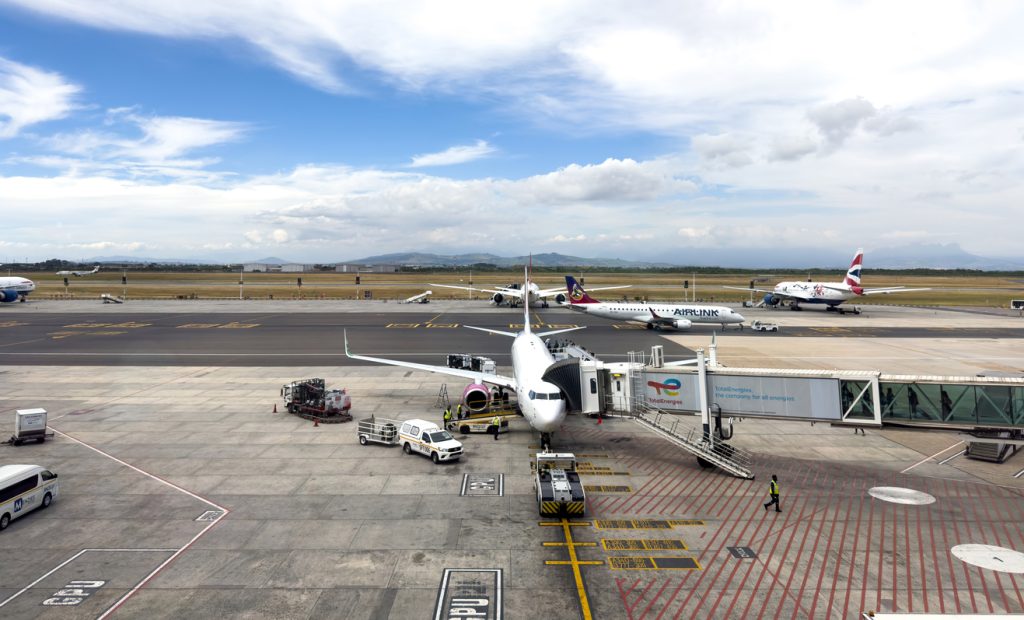
Hands-free aircraft ownership is an aviation ownership model that allows individuals, corporations, and investors to own aircraft without being involved in the day-to-day responsibilities of operating, maintaining, staffing, or managing them. Under this arrangement, a professional aircraft management company handles all operational, technical, regulatory, and administrative tasks on behalf of the owner.
This approach has become increasingly popular among high-net-worth individuals, corporate executives, investment groups, and aviation investors who want the benefits of aircraft ownership without the complexity and time commitment that comes with managing aviation assets.
What hands-free aircraft ownership means
Hands-free aircraft ownership separates ownership from operational responsibility.
The owner retains legal ownership of the aircraft, while a professional management company oversees:
- Flight operations and scheduling
- Aircraft maintenance and airworthiness compliance
- Pilot and crew management
- Regulatory and safety compliance
- Insurance administration
- Financial reporting and cost management
- Charter and leasing opportunities
In simple terms, the owner enjoys the benefits of aircraft ownership while professionals handle the operational workload.
Why hands-free aircraft ownership is becoming popular
Aircraft ownership can be highly demanding.
Without professional management, owners may need to manage:
- Maintenance planning and oversight
- Crew recruitment and scheduling
- Regulatory documentation and compliance
- Operational logistics
- Vendor relationships
- Financial administration
Hands-free ownership eliminates these responsibilities while maintaining access to the aircraft and its investment potential.
How hands-free aircraft ownership works
The ownership structure typically follows a straightforward process.
Step 1: Aircraft acquisition
The owner purchases an aircraft directly or through an investment structure.
This may include:
- Private jets
- Turboprop aircraft
- Helicopters
- Cargo aircraft
- Corporate fleet assets
Professional advisors often assist with aircraft selection and acquisition.
Step 2: Management agreement
A management company is appointed to oversee all operations.
The agreement defines:
- Management responsibilities
- Operating procedures
- Reporting requirements
- Revenue-sharing arrangements (if applicable)
- Service fees and performance expectations
This creates a clear separation between ownership and operations.
Step 3: Ongoing aircraft management
The management company assumes responsibility for daily operations while providing regular updates to the owner.
Core services included in hands-free aircraft ownership
Flight operations management
Management companies coordinate:
- Flight scheduling
- Dispatch and route planning
- Airport and permit coordination
- Operational logistics
- Travel support services
This ensures the aircraft is available when needed.
Maintenance and technical oversight
Aircraft require continuous maintenance and monitoring.
Management services include:
- Scheduled inspections
- Airworthiness compliance tracking
- Maintenance planning
- Engine monitoring
- Coordination with approved maintenance providers
This helps protect safety and asset value.
Crew management
Aircraft operations require qualified personnel.
Management companies oversee:
- Pilot recruitment
- Crew scheduling
- Training and certification tracking
- Duty time compliance
- Performance management
Owners avoid the challenges of managing aviation staff directly.
Regulatory compliance
Aviation regulations are extensive and constantly evolving.
Management companies handle:
- Aircraft registration requirements
- Regulatory reporting
- Safety management systems
- Insurance compliance
- Operational approvals and permits
This reduces compliance risks.
Financial administration
Owners receive financial oversight without handling daily transactions.
Services may include:
- Budget preparation
- Cost tracking and reporting
- Vendor payment management
- Revenue accounting
- Asset performance reporting
This provides transparency while minimizing administrative burden.
Charter and leasing management
Many owners choose to generate revenue when the aircraft is not in personal use.
Management companies can arrange:
- Private charter operations
- Corporate leasing agreements
- ACMI arrangements (where applicable)
- Revenue optimization strategies
- Customer acquisition and contract management
This can help offset ownership costs.
Benefits of hands-free aircraft ownership
Reduced management burden
Owners avoid operational responsibilities and administrative complexity.
Professional operational oversight
Experienced aviation professionals manage the aircraft according to industry best practices.
Improved aircraft utilization
Management companies can optimize scheduling and charter opportunities.
Enhanced compliance and safety
Dedicated teams monitor regulatory requirements and maintenance schedules.
Better financial visibility
Regular reporting helps owners understand asset performance.
Potential revenue generation
Aircraft can generate income through leasing and charter operations.
Who benefits from hands-free aircraft ownership?
High-net-worth individuals
Owners enjoy private aviation without managing operations.
Corporate executives
Companies gain reliable transportation while outsourcing aviation management.
Aviation investors
Investors can focus on returns rather than operational complexity.
Family offices
Aircraft ownership becomes easier to integrate into broader investment portfolios.
Investment groups and syndicates
Shared ownership structures benefit from centralized management.
Key performance indicators (KPIs)
Hands-free aircraft ownership programs often measure success through:
- Aircraft utilization rate
- Aircraft availability percentage
- Maintenance downtime percentage
- Cost per flight hour
- Revenue generated from charter or leasing
- Regulatory compliance performance
- Return on investment (ROI)
These metrics help evaluate both operational and financial performance.
Challenges in hands-free aircraft ownership
While highly beneficial, there are still considerations.
Common challenges include:
- Selecting the right management company
- Balancing private use with revenue generation
- Managing ownership costs during low utilization periods
- Monitoring management performance
- Navigating market fluctuations in charter demand
A strong management partner is critical for long-term success.
Risks of unmanaged aircraft ownership
Without professional management, owners may experience:
- Increased maintenance costs
- Regulatory compliance issues
- Poor aircraft utilization
- Scheduling inefficiencies
- Reduced asset value
- Lower investment returns
Professional oversight helps reduce these risks significantly.
Technology supporting hands-free ownership
Modern aircraft management relies on:
- Flight operations management platforms
- Aircraft health monitoring systems
- Predictive maintenance tools
- Digital compliance tracking software
- Financial reporting dashboards
- Real-time aircraft tracking systems
Technology improves transparency and operational control.
Where logistics coordination fits into aircraft ownership
Aircraft operations often depend on broader logistics networks.
This includes:
- Passenger transportation arrangements
- Cargo movement coordination
- Ground handling services
- Airport support operations
- Supply chain integration for aviation services
Efficient logistics contribute to smoother aircraft operations.
How Travo.ng supports logistics coordination
While hands-free aircraft ownership focuses on removing operational responsibilities from owners, logistics coordination remains an important part of ensuring smooth transportation and cargo movement.
Travo.ng supports logistics operations through:
- Cargo consolidation and freight coordination
- Intercity and interstate delivery services
- Port-to-destination logistics support
- Supply chain coordination across Nigeria
- End-to-end logistics execution for cargo movement
This helps reduce logistical bottlenecks that may impact aviation-related operations.
Final thoughts
Hands-free aircraft ownership provides a practical solution for individuals and organizations that want the advantages of aircraft ownership without the burden of daily management. By partnering with a professional aircraft management company, owners can maintain control of their investment while delegating operational responsibilities to experienced aviation professionals.
As aviation assets become increasingly sophisticated and regulated, hands-free ownership offers a more efficient, scalable, and investment-focused approach to aircraft ownership.
