


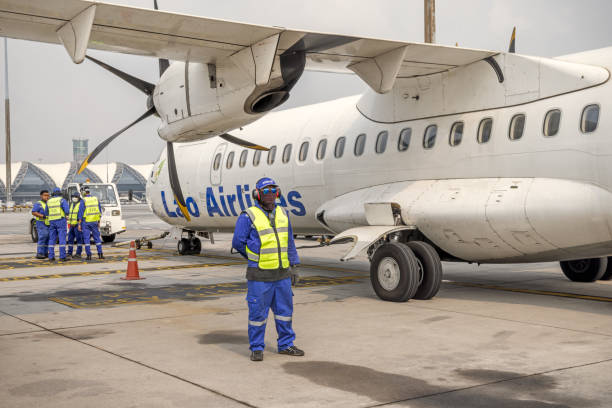
Aircraft acquisition and management services combine two critical stages of aviation investment: acquiring the right aircraft and professionally managing it throughout its operational lifecycle. These services are designed for private owners, corporations, airlines, and investors who want to own aircraft without dealing with the complexity of aviation operations.
Aircraft are high-value, high-maintenance assets. A poor acquisition decision or weak operational structure can significantly reduce returns. This is why integrated acquisition and management services are essential for ensuring long-term safety, compliance, and profitability.
What aircraft acquisition and management services actually mean
These services cover the entire lifecycle of an aircraft investment—from selection and purchase to daily operations and financial optimization.
They include:
- Aircraft sourcing and acquisition advisory
- Market valuation and pre-purchase inspection
- Financing and leasing structure support
- Flight operations and scheduling management
- Maintenance and airworthiness oversight
- Crew recruitment and coordination
- Regulatory compliance and documentation
- Revenue optimization and ROI tracking
In simple terms, they help investors buy the right aircraft and run it efficiently as a business asset.
Why aircraft acquisition and management services are important
Aircraft ownership involves significant financial and operational risks.
Without proper support, investors may face:
- Overpaying for unsuitable aircraft
- High maintenance and operational costs
- Low aircraft utilization rates
- Regulatory compliance challenges
- Difficulty generating revenue from the asset
- Poor return on investment (ROI)
These services reduce risk and improve long-term asset performance.
Core components of aircraft acquisition services
1. Aircraft sourcing and selection
Choosing the right aircraft is critical.
This includes:
- Identifying aircraft based on mission type (private, cargo, corporate, charter)
- Comparing aircraft performance, range, and capacity
- Evaluating manufacturer and model reliability
- Matching aircraft to operational needs and budget
Proper selection ensures long-term efficiency.
2. Market valuation and financial analysis
Understanding true asset value prevents overinvestment.
This involves:
- Aircraft market pricing analysis
- Depreciation and lifecycle cost evaluation
- Operating cost forecasting
- Residual value estimation
- Investment risk assessment
This ensures informed purchasing decisions.
3. Pre-purchase inspection and due diligence
Before acquisition, aircraft must be thoroughly evaluated.
This includes:
- Technical inspection of airframe and engines
- Maintenance history review
- Accident and repair record checks
- Compliance and certification verification
- Regulatory documentation review
This reduces hidden risks after purchase.
4. Aircraft financing and leasing structuring
Many acquisitions involve complex financing models.
Management includes:
- Loan structuring and financing advisory
- Lease-to-own arrangements
- Dry lease and wet lease structuring options
- Tax and ownership optimization strategies
- Investor syndication structuring
This improves affordability and flexibility.
Core components of aircraft management services
1. Flight operations and scheduling
Efficient utilization is essential for profitability.
This includes:
- Flight planning and dispatch coordination
- Airport slot and route management
- Minimizing aircraft downtime
- Coordinating domestic and international operations
- Handling on-demand flight requests
Higher utilization improves ROI.
2. Maintenance and airworthiness management
Safety and compliance are non-negotiable.
Management includes:
- Scheduled maintenance planning (A-checks, C-checks, etc.)
- Engine performance monitoring
- Coordination with certified maintenance providers (MROs)
- Airworthiness certification tracking
- Emergency maintenance response
Proper maintenance ensures operational continuity.
3. Crew management and operational support
Aircraft require certified professionals.
This includes:
- Pilot recruitment and scheduling
- Cabin crew coordination (if applicable)
- Training and certification tracking
- Duty time and fatigue management
- Operational readiness planning
Skilled crews ensure safe and reliable operations.
4. Regulatory compliance and aviation documentation
Aviation is heavily regulated globally.
This includes:
- Aircraft registration and licensing
- Aviation authority compliance (ICAO, FAA, EASA standards)
- Insurance and liability coverage
- Safety audits and reporting
- Cross-border operational permits
Non-compliance can lead to grounding or penalties.
5. Financial reporting and performance tracking
Transparency is essential for investors.
Reports include:
- Cost per flight hour
- Revenue per aircraft (if chartered)
- Maintenance expenditure breakdown
- Net profit analysis
- ROI performance tracking
- Utilization efficiency reports
This supports data-driven decisions.
Key performance indicators (KPIs)
Aircraft acquisition and management services are measured using:
- Aircraft utilization rate (flight hours)
- Cost per flight hour
- Acquisition cost efficiency
- Maintenance downtime percentage
- Revenue per aircraft
- Operational cost ratio
- Return on investment (ROI)
These indicators define both investment success and operational efficiency.
Types of aircraft acquisition and management models
1. Private ownership model
- Aircraft used exclusively by owner
- Focus on convenience and availability
2. Corporate acquisition model
- Aircraft owned by companies for executive travel
- Focus on productivity and efficiency
3. Investment and leasing model
- Aircraft acquired for leasing or charter revenue
- Focus on ROI and asset monetization
4. Hybrid ownership model
- Combination of private use and revenue generation
- Balances lifestyle and investment returns
Challenges in aircraft acquisition and management
Aircraft investment is complex and capital intensive.
Common challenges include:
- High acquisition and operating costs
- Complex regulatory compliance requirements
- Limited availability of suitable aircraft
- Maintenance and downtime risks
- Fuel price volatility
- Difficulty securing reliable charter demand
These require expert oversight.
Risks of poor acquisition and management
Without structured systems, investors may experience:
- Overpaying for aircraft assets
- Low utilization and revenue generation
- High maintenance costs
- Regulatory compliance failures
- Asset depreciation without returns
- Poor ROI performance
Poor management reduces both safety and profitability.
How aircraft acquisition and management services improve ROI
When properly implemented, they deliver:
- Smarter aircraft selection and purchasing decisions
- Higher aircraft utilization rates
- Reduced operational and maintenance costs
- Increased charter or lease revenue
- Strong regulatory compliance
- Transparent financial reporting
This ensures sustainable investment performance.
Technology used in aircraft acquisition and management
Modern aviation systems rely on:
- Aircraft performance analytics platforms
- Flight operations management systems
- Predictive maintenance tools
- Financial reporting dashboards
- Compliance tracking software
- Real-time aircraft monitoring systems
Technology improves decision-making and efficiency.
Where logistics coordination fits into aircraft management
Even well-managed aircraft depend on broader logistics systems.
This includes:
- Passenger and cargo coordination
- Airport ground handling operations
- Air freight logistics integration
- International travel scheduling
Delays in logistics coordination can reduce aircraft efficiency and profitability.
How Travo.ng supports logistics coordination
While aircraft acquisition and management services focus on aircraft investment and operations, logistics coordination ensures smooth movement of goods and passengers across the supply chain.
Travo.ng supports logistics operations through:
- Cargo consolidation and freight coordination
- Intercity and interstate delivery services
- Port-to-destination logistics support
- Supply chain coordination across Nigeria
- End-to-end logistics execution for cargo movement
This helps reduce delays that impact aircraft utilization and overall ROI.
Final thoughts
Aircraft acquisition and management services are essential for turning aviation ownership into a structured, efficient, and profitable investment. Because aircraft are complex, high-value assets, professional acquisition and management are critical for minimizing risk and maximizing returns.
When properly executed, these services ensure aircraft are not only well-selected but also continuously optimized for performance, safety, and profitability throughout their lifecycle.
In modern aviation investment, success is not just about buying aircraft—it is about acquiring the right asset and managing it intelligently from day one.
