


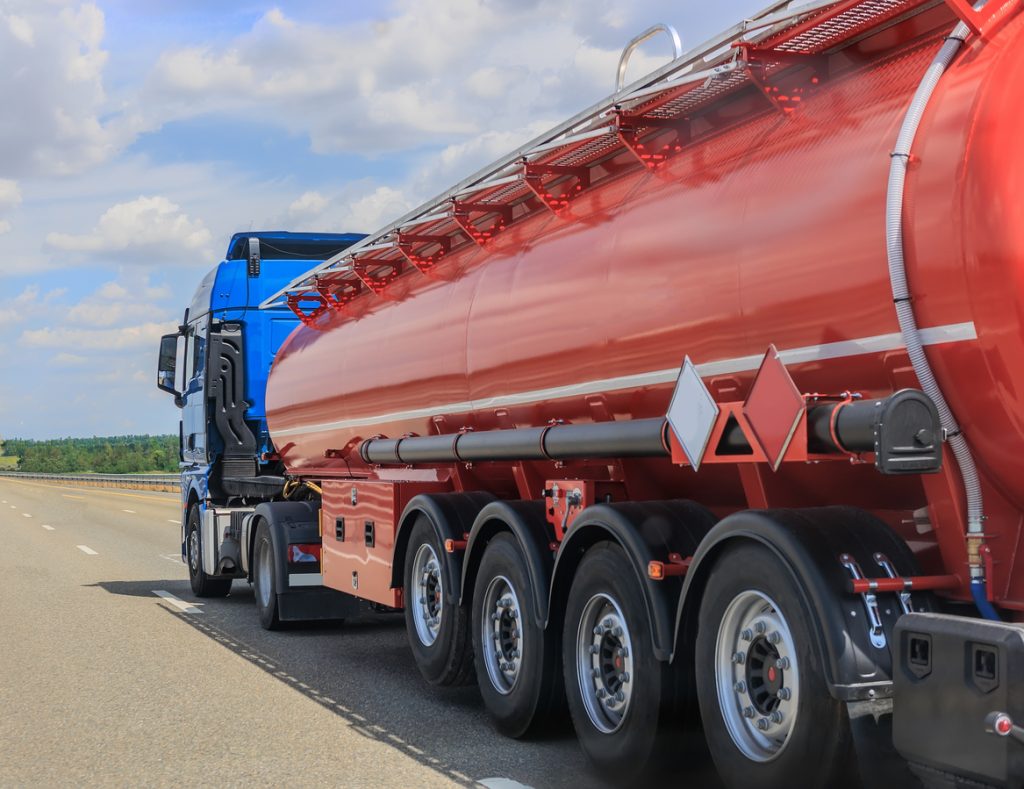
Fleet profitability management for truck owners is the structured approach used to ensure that every truck in a fleet generates consistent, measurable, and optimized financial returns. It goes beyond basic fleet operation and focuses on cost control, revenue maximization, asset utilization, and performance tracking.
For truck owners in logistics-heavy environments like Nigeria—especially Lagos, Apapa ports, and interstate freight corridors—profitability management is what separates a struggling fleet from a sustainable, income-generating logistics business.
What fleet profitability management actually means
Fleet profitability management is the process of analyzing and optimizing all financial and operational aspects of trucking assets to improve net returns.
It includes:
- Revenue tracking per truck and per trip
- Cost control (fuel, maintenance, drivers, repairs)
- Fleet utilization optimization
- Pricing and contract management
- Route and dispatch efficiency improvement
- Asset lifecycle value management
- ROI and profit margin monitoring
In simple terms, it ensures trucks are not just operating—but actually making profit efficiently.
Why fleet profitability management is important
Many truck owners focus only on revenue, not profit. This leads to hidden losses.
Without proper management, fleets experience:
- High fuel and maintenance costs
- Low truck utilization rates
- Poor route planning and inefficiency
- Driver misuse or operational waste
- Untracked expenses reducing margins
- Irregular or declining profitability
Profitability management solves these problems by making every cost and revenue stream visible.
Core components of fleet profitability management
1. Revenue optimization and tracking
Understanding where money comes from is the first step.
This includes:
- Tracking revenue per truck per trip
- Monitoring freight rates and pricing structures
- Evaluating contract profitability
- Identifying high-performing routes
- Eliminating underpriced or loss-making trips
This ensures revenue is structured and sustainable.
2. Cost control and reduction strategies
Costs are the biggest factor in fleet profitability.
Key areas include:
- Fuel consumption monitoring and optimization
- Maintenance and repair cost tracking
- Driver salary and incentive management
- Spare parts and operational expenses
- Insurance and compliance costs
Reducing waste directly increases profit margins.
3. Fleet utilization optimization
A truck only makes money when it is moving.
Management focuses on:
- Reducing idle time between trips
- Increasing load frequency per truck
- Minimizing empty return trips
- Balancing workload across the fleet
- Ensuring continuous dispatch flow
Higher utilization equals higher profitability.
4. Route efficiency and logistics planning
Poor routing increases cost and reduces profit.
This involves:
- Optimizing delivery routes for fuel savings
- Reducing travel distance per trip
- Avoiding congestion-heavy corridors
- Planning multi-stop deliveries where possible
- Aligning routes with high-demand cargo zones
Efficient routing improves margins per trip.
5. Driver performance and accountability
Driver behavior directly affects profitability.
Management includes:
- Monitoring driving efficiency and fuel usage
- Reducing aggressive driving that increases costs
- Tracking trip completion performance
- Enforcing compliance and discipline
- Incentivizing efficiency-based performance
Better drivers reduce operational losses.
6. Maintenance and lifecycle cost management
Unplanned breakdowns reduce profit significantly.
This includes:
- Preventive maintenance scheduling
- Monitoring repair frequency and cost trends
- Extending asset lifespan through proper servicing
- Tracking downtime per truck
- Managing spare parts efficiently
Well-maintained trucks generate more profit over time.
7. Financial reporting and ROI analysis
Clear financial visibility is essential.
This includes:
- Profit and loss per truck
- ROI per vehicle and per fleet segment
- Cost-per-kilometre analysis
- Monthly and annual profitability reports
- Cash flow tracking
This helps owners make informed decisions.
Key performance indicators in fleet profitability management
Important metrics include:
- Net profit per truck
- Cost per kilometre
- Revenue per trip
- Fleet utilization rate
- Fuel efficiency ratio
- Maintenance cost ratio
- Return on investment (ROI)
These indicators show true fleet performance.
Challenges affecting fleet profitability in Nigeria
Truck owners often face:
- Rising fuel prices
- Poor road infrastructure
- Traffic congestion in Lagos and other cities
- High maintenance costs due to road conditions
- Cargo delays at ports and terminals
- Security risks on interstate routes
These challenges require strong cost control systems.
Risks of poor profitability management
Without structured systems, fleets experience:
- Revenue that does not translate to profit
- Hidden operational losses
- High downtime and low efficiency
- Poor financial visibility
- Uncontrolled expenses
- Declining return on investment
This often leads to business failure despite active operations.
How fleet profitability management improves performance
When properly implemented, it delivers:
- Higher net profit margins
- Reduced operational waste
- Better asset utilization
- Predictable cash flow
- Strong ROI visibility
- Sustainable long-term growth
Profitability becomes measurable and controllable.
Technology used in profitability management
Modern fleet systems rely on:
- GPS tracking and telematics systems
- Fuel monitoring sensors
- Digital dispatch platforms
- Fleet management software dashboards
- Automated financial reporting tools
- Predictive maintenance systems
Technology ensures accurate data and decision-making.
Where logistics coordination fits into profitability
Even well-managed fleets depend on broader logistics systems.
This includes:
- Cargo sourcing and freight forwarding
- Warehouse and distribution planning
- Port operations and clearance processes
- Intercity and interstate logistics coordination
Delays in logistics directly affect profitability.
How Travo.ng supports logistics coordination
While fleet profitability management focuses on maximizing returns from truck operations, logistics coordination ensures smooth movement of goods across supply chains.
Travo.ng supports logistics operations through:
- Cargo consolidation and freight coordination
- Intercity and interstate delivery services
- Port-to-destination logistics support
- Supply chain coordination across Nigeria
- End-to-end logistics execution for cargo movement
This helps reduce delays and inefficiencies that impact profitability.
Final thoughts
Fleet profitability management for truck owners is not just about running trucks—it is about running a structured, data-driven logistics business. Without profitability control, fleets may generate revenue but still operate at a loss.
With proper systems in place, truck owners can optimize costs, improve efficiency, and build long-term sustainable returns from their logistics assets.
In modern trucking, success is defined not by how many trips are made—but by how much profit each truck produces consistently.
