


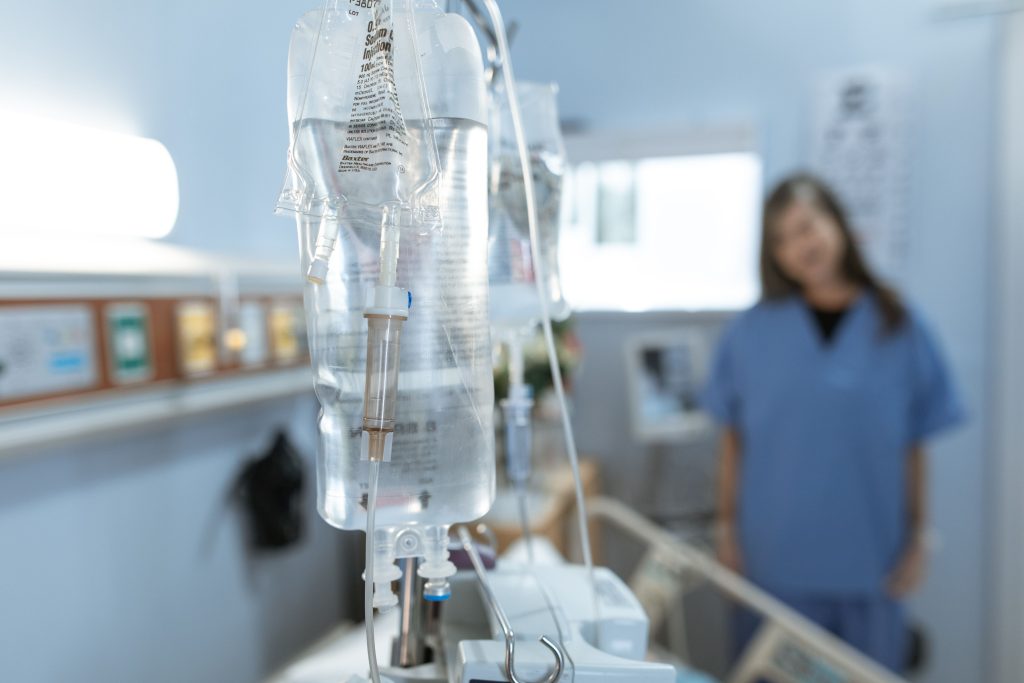
Public hospital logistics in Nigeria is not just about moving cartons from one location to another. It involves getting medical supplies, documents, equipment, staff items, emergency parcels, and patient-related materials to the right place without delay or confusion.
Anyone who has worked with a government hospital, teaching hospital, general hospital, primary healthcare centre, or public health programme knows how sensitive timing can be. A delayed medical document can slow down patient processing. A late supply of consumables can affect a clinic session. Poor transport planning can disrupt outreach, vaccination work, or movement between facilities.
That is why hospitals, NGOs, pharmacies, suppliers, and healthcare administrators need logistics support that understands Nigerian roads, hospital routines, traffic pressure, and the urgency of medical movement. This is where Travo.ng helps with practical delivery, courier, transport, and logistics coordination for healthcare-related operations across Nigeria.
What Public Hospitals Usually Need Logistics Support For
Public hospitals handle a lot of movement every day, even when it is not always visible to patients. Behind the wards, laboratories, pharmacies, admin offices, and emergency units, there is constant coordination.
Common logistics needs include:
Medical consumable delivery: Items like gloves, syringes, masks, cotton wool, disinfectants, sample containers, wound dressing materials, and theatre supplies often need to move from distributors or central stores to hospitals.
Document courier services: Referral letters, medical reports, claim documents, procurement papers, laboratory results, training materials, and administrative files may need secure same-day or next-day delivery.
Equipment movement: Small medical devices, hospital furniture, oxygen accessories, diagnostic tools, and maintenance parts may need careful handling and transport.
Public health outreach support: Vaccination campaigns, screening exercises, maternal health programmes, and community medical outreaches often require vehicles, dispatch planning, and supply movement.
Staff and visitor transport coordination: Some hospitals, NGOs, and contractors need arranged transport for teams moving between facilities, training venues, airports, and field locations.
In Nigeria, these movements are rarely simple. A hospital in Ikeja may need supplies from Apapa, but port traffic can delay the vehicle. A public health team leaving Abuja for Nasarawa or Kaduna may need early vehicle coordination. A delivery from Lagos to Ibadan can be straightforward on some days and difficult on others depending on traffic, road repairs, or security checks.
The Real Challenge Is Not Distance Alone
Many people think hospital logistics is only about how far one location is from another. In reality, the bigger issue is coordination.
For example, moving medical items from a supplier in Lagos Island to a general hospital in Agege may not look far on a map. But if pickup happens late, the driver enters traffic around CMS, Third Mainland Bridge, or Oshodi, and the hospital store closes by 4pm, the delivery may fail for that day.
The same applies to interstate hospital logistics. Sending medical consumables from Lagos to Abuja, Port Harcourt, Benin, Enugu, or Kano requires proper packaging, vehicle selection, route planning, receiver confirmation, and delivery tracking.
Public hospital logistics in Nigeria works better when the sender confirms:
The exact pickup and delivery address: Many hospital compounds have multiple departments, gates, stores, and admin blocks.
The receiver’s name and phone number: A rider or driver should not arrive and start asking random staff where to drop a parcel.
The type of item being moved: Medical documents, fragile equipment, consumables, and cold-chain items do not require the same handling.
The delivery deadline: “Today” is not specific enough. A parcel needed before clinic starts at 10am should be treated differently from one needed before close of business.
The packaging condition: Poor packaging can damage items before they reach the hospital.
Typical Delivery Timelines for Healthcare Logistics in Nigeria
Timelines depend on the city, distance, item type, and urgency. In Lagos, short medical document deliveries can often be completed the same day when booked early. Deliveries between areas like Ikeja, Surulere, Yaba, Lekki, VI, Agege, and Oshodi may take a few hours depending on traffic.
For Abuja, movement between areas like Wuse, Garki, Maitama, Asokoro, Jabi, Gwarinpa, and airport road locations may also be same-day if properly scheduled.
Interstate medical deliveries usually need more planning. Lagos to Ibadan may be possible within the same day for some items. Lagos to Abuja, Lagos to Port Harcourt, or Abuja to Kano may require next-day or scheduled cargo movement depending on the transport option.
For urgent hospital logistics, early booking is important. Waiting until afternoon before arranging movement across a busy city can increase cost, delay delivery, or limit available vehicle options.
Mistakes That Cause Delays in Hospital Deliveries
Healthcare logistics becomes stressful when small details are ignored. Some common mistakes include sending items without proper labels, booking a rider without confirming the receiver, underestimating traffic, using the wrong vehicle for bulky items, and assuming every hospital department operates the same closing time.
Another common issue is poor handover. A dispatch rider may arrive at a hospital gate, but security may not allow entry without the receiver’s confirmation. If the receiver is in theatre, ward rounds, a meeting, or clinic, the delivery can be delayed.
To avoid this, the sender should provide the hospital name, department, building description, receiver details, delivery instruction, and any required proof of delivery. For sensitive documents, it is also better to request confirmation once the item is received.
How Travo.ng Supports Public Hospital Logistics in Nigeria
Travo.ng helps individuals, businesses, suppliers, NGOs, healthcare vendors, and organisations coordinate logistics for public hospitals and medical-related operations. Depending on the need, this may include courier services, delivery services, cargo movement, transport coordination, airport pickup for medical visitors, vehicle hire for health teams, and relocation support for medical equipment or office items.
For example, a supplier sending consumables to a teaching hospital can arrange delivery through Travo.ng instead of relying on informal transport. An NGO running a medical outreach can coordinate vehicle movement and supply delivery. A family can send important medical documents to a public hospital without personally travelling across town.
The aim is to make healthcare movement easier, better organised, and less stressful.
When to Book Hospital Logistics Support Early
Book early when the delivery involves bulky items, interstate movement, public health outreach, multiple hospital stops, fragile equipment, official documents, or airport-to-hospital coordination.
Early booking gives enough time to choose the right vehicle, confirm the route, contact the receiver, prepare packaging, and avoid last-minute price pressure. This is especially important during rainy season, festive periods, fuel scarcity, public holidays, or heavy traffic periods in Lagos and Abuja.
A Practical Way to Move Medical Items With Less Stress
Public hospital logistics in Nigeria requires more than a rider or driver. It requires planning, communication, timing, and local knowledge. Whether the task involves sending medical documents, delivering hospital consumables, supporting outreach teams, moving equipment, or arranging transport for healthcare staff, proper coordination can save time and prevent costly delays.
With Travo.ng, hospitals, suppliers, organisations, and individuals can book reliable logistics and transport support that fits real Nigerian healthcare movement. Instead of guessing who to call or struggling with last-minute arrangements, you can schedule delivery, courier, cargo, and transport services with a team that understands how movement works on Nigerian roads and around busy public hospital environments.
