


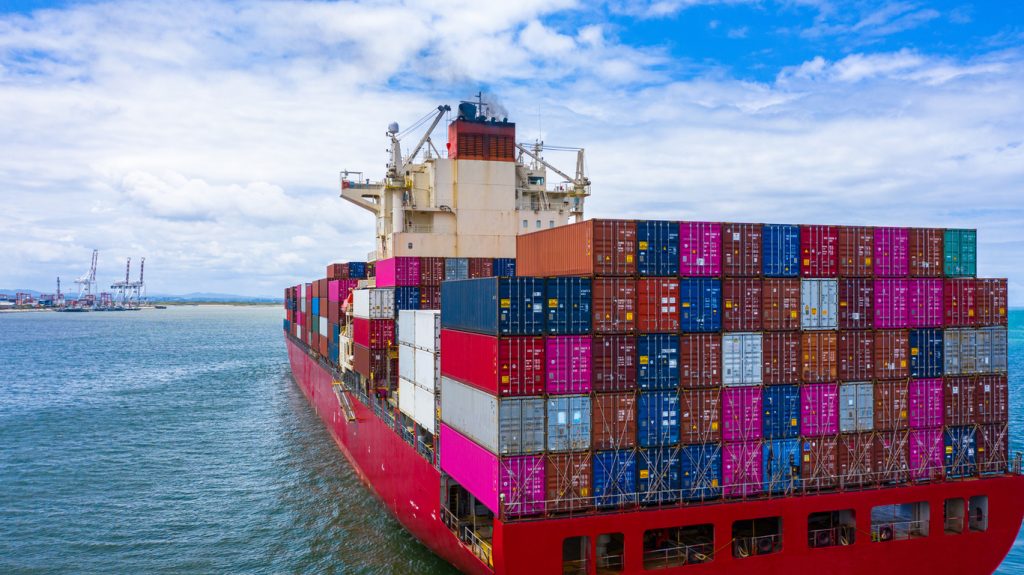
In commercial shipping, a vessel is only as reliable as the systems keeping it running behind the scenes. A ship may look strong and seaworthy on the outside, but without proper technical oversight, it can quickly become inefficient, unsafe, or too expensive to operate.
Technical management for commercial vessels is the structured supervision of a ship’s engineering systems, maintenance, and operational readiness to ensure it performs safely and efficiently throughout its working life.
For ship owners and maritime investors, especially those running cargo ships, tankers, or offshore vessels, technical management is what keeps the asset earning rather than breaking down.
What technical management for commercial vessels actually means
Technical management refers to the full control of a vessel’s engineering and operational systems on behalf of the owner.
It includes:
- Maintenance and repair coordination
- Engine and machinery performance monitoring
- Hull integrity and structural inspections
- Dry-docking and overhaul planning
- Spare parts and procurement management
- Safety system maintenance
- Regulatory and classification compliance
In simple terms, it ensures the vessel is always seaworthy, efficient, and legally fit to operate.
Why technical management is critical in commercial shipping
Commercial vessels operate under constant pressure:
- Tight delivery schedules
- Long-distance voyages
- Heavy cargo loads
- Harsh marine environments
- High fuel consumption demands
- Strict international regulations
Without structured technical management, even a small mechanical issue can lead to:
- Voyage delays
- Cargo disruption
- Financial losses
- Safety risks
- Charter penalties
In shipping, downtime is expensive because every idle day means lost revenue.
Core components of technical vessel management
1. Preventive maintenance systems
Instead of waiting for breakdowns, maintenance is scheduled in advance.
This includes:
- Engine servicing and lubrication
- Generator and auxiliary system checks
- Pump and hydraulic system maintenance
- Electrical system inspections
- Safety equipment testing
Preventive maintenance reduces emergency repairs and improves vessel reliability.
2. Engine and machinery performance monitoring
Commercial vessels depend heavily on engine efficiency.
Management covers:
- Fuel consumption tracking
- Engine temperature and pressure monitoring
- Vibration and performance analysis
- Propulsion system optimisation
Early detection of performance issues prevents costly failures at sea.
3. Hull maintenance and structural integrity
The ship’s hull is constantly exposed to seawater and corrosion.
Technical management ensures:
- Regular hull inspections
- Anti-fouling and coating maintenance
- Structural repairs when needed
- Dry-docking for major servicing
A well-maintained hull improves fuel efficiency and safety.
4. Dry-docking and overhaul planning
Dry-docking is a major part of vessel lifecycle management.
It involves:
- Scheduling shipyard maintenance
- Propeller and rudder inspection
- Hull repainting and repairs
- Machinery overhaul and upgrades
Proper planning avoids unnecessary downtime and cost overruns.
5. Spare parts and procurement management
Commercial vessels operate globally, so parts availability is critical.
Management includes:
- Stocking essential spare parts onboard
- Coordinating global procurement supply chains
- Ensuring compatibility with vessel systems
- Minimising delays during repairs
Efficient procurement keeps vessels operational.
6. Safety systems and emergency readiness
Technical management also ensures onboard safety systems are functional.
This includes:
- Fire detection and suppression systems
- Lifeboats and emergency equipment
- Navigation and communication systems
- Alarm and monitoring systems
Safety readiness is mandatory under international maritime law.
7. Classification and regulatory compliance
Every commercial vessel must meet international standards.
Management ensures compliance with:
- Flag state requirements
- Classification society rules
- IMO regulations
- Port state inspection standards
- Environmental compliance (MARPOL)
Failure to comply can result in detention or fines.
The cost of poor technical management
When technical systems are not properly managed, ship owners often experience:
- Frequent engine breakdowns
- High emergency repair costs
- Fuel inefficiency and wastage
- Port delays and demurrage charges
- Loss of charter contracts
- Reduced vessel lifespan
Over time, these issues significantly reduce profitability.
Why commercial vessels require continuous technical oversight
Unlike land-based assets, ships operate:
- 24/7 across global waters
- Under changing weather conditions
- Far from immediate repair facilities
- With limited access to spare parts
This makes continuous technical monitoring essential for uninterrupted operations.
Technical management challenges in West African shipping routes
For vessels operating around Nigeria and nearby waters, additional challenges include:
- Port congestion and long waiting times
- Limited shipyard availability in some regions
- Weather disruptions in coastal waters
- Customs and clearance delays for parts
- Security considerations in certain maritime zones
These conditions make structured technical planning even more important.
How technical management improves vessel profitability
When properly executed, technical management helps:
- Reduce fuel consumption
- Increase vessel uptime
- Lower maintenance costs
- Extend vessel lifespan
- Improve charter reliability
- Maintain strong asset value
Efficiency directly translates into higher returns for ship owners.
Digital tools used in modern technical vessel management
Modern shipping relies on technology such as:
- Predictive maintenance systems
- Real-time engine monitoring dashboards
- Fuel efficiency analytics tools
- Remote diagnostics platforms
- Fleet performance tracking systems
These tools help detect issues early and reduce operational risks.
Where logistics coordination fits into vessel operations
Even technically sound vessels depend on external logistics support.
This includes:
- Spare parts delivery coordination
- Port repair scheduling
- Dry-dock logistics planning
- Supply chain support for maintenance operations
- Cargo handling coordination
Delays in logistics can affect vessel repair and operational readiness.
How Travo.ng supports maritime logistics coordination
While technical management focuses on vessel systems and maintenance, logistics coordination ensures the smooth movement of supplies and operational support.
Travo.ng supports maritime operations through:
- Cargo and equipment delivery coordination
- Logistics support for marine maintenance needs
- Port-to-location transport services
- Supply chain coordination across Nigeria
- End-to-end logistics execution for vessel support operations
This helps reduce downtime caused by delayed parts or logistical bottlenecks.
Final thoughts
Technical management for commercial vessels is the foundation of safe, efficient, and profitable shipping operations. Without it, even the best-built vessel will suffer from downtime, inefficiency, and rising operational costs.
With structured oversight, preventive maintenance, and strong engineering control, commercial vessels remain reliable assets capable of delivering consistent performance across global trade routes.
In modern shipping, technical management is not just maintenance—it is business continuity.
