


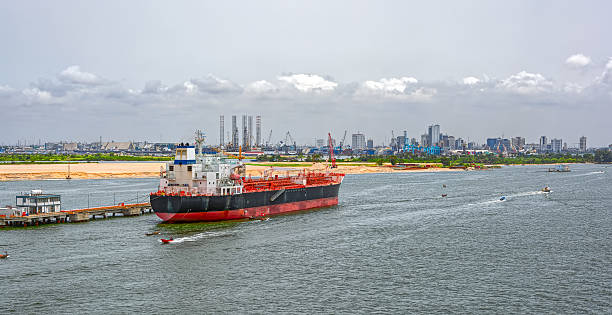
For vessel owners operating in Nigeria and across West African coastal routes, owning a ship is only half the business. The real challenge is keeping that vessel profitable, compliant, and operational in a market where fuel costs, port delays, maintenance demands, and regulatory inspections can quickly eat into margins.
Asset management for vessel owners is the structured process of maintaining, operating, and optimizing a vessel so it delivers consistent financial returns over its lifespan.
In practical terms, it is how ship owners avoid “silent losses” like downtime, emergency repairs, inefficient fuel usage, and missed charter opportunities.
Why vessel ownership becomes expensive without proper asset management
A vessel is not a passive asset. It depreciates quickly when poorly managed and can become a liability instead of an income-generating machine.
Common issues vessel owners face include:
- Unplanned engine breakdowns during voyages
- High fuel consumption due to poor maintenance
- Port detention and compliance delays
- Inefficient crew operations
- Missed charter contracts due to downtime
- Rising repair costs from neglected servicing
In busy routes like Lagos–Cotonou, Lagos–Port Harcourt coastal movement, or international West African shipping corridors, downtime directly means lost revenue.
What asset management actually means for vessel owners
Asset management in maritime operations covers:
- Technical maintenance of the vessel
- Operational efficiency monitoring
- Crew management and performance tracking
- Regulatory compliance and inspection readiness
- Fuel and route optimization
- Financial planning for repairs and upgrades
- Lifecycle planning for asset replacement
In simple terms, it ensures the vessel performs like a structured business asset—not just a transport tool.
The cost of poor maintenance in real operational terms
Many vessel owners underestimate how quickly small issues grow into major financial losses.
For example:
- A minor engine fault ignored for weeks can become a full engine overhaul
- Poor hull maintenance increases fuel consumption significantly over time
- Delayed dry-docking leads to classification issues and port restrictions
- Faulty navigation systems can cause route inefficiencies and safety risks
In maritime operations around Apapa Port and Tin Can Island, delays caused by technical faults can also lead to berth congestion penalties and missed schedules.
Key components of effective vessel asset management
1. Preventive maintenance scheduling
Instead of waiting for breakdowns, vessels follow structured maintenance cycles:
- Engine servicing at fixed intervals
- Hull inspection and cleaning schedules
- Electrical system checks
- Safety equipment testing
Preventive maintenance is always cheaper than emergency repair.
2. Fuel efficiency monitoring
Fuel is one of the highest operating costs in vessel operations.
Effective management includes:
- Monitoring fuel consumption per voyage
- Checking engine performance efficiency
- Reducing idle time at ports
- Optimizing speed and route planning
Even small improvements in fuel efficiency significantly improve profit margins over time.
3. Dry-docking and classification compliance
Dry-docking is essential for:
- Hull repairs
- Structural inspections
- Compliance certification
- Regulatory approval renewal
Missing scheduled dry-docking can lead to operational restrictions or loss of charter eligibility.
4. Crew performance and operational discipline
Crew management directly affects vessel performance.
Poor discipline can lead to:
- Operational inefficiencies
- Equipment misuse
- Safety risks onboard
- Increased wear and tear on systems
Well-trained crews reduce operating costs and improve vessel lifespan.
5. Digital tracking and vessel monitoring systems
Modern vessel management uses technology such as:
- GPS tracking systems
- Engine performance sensors
- Fuel monitoring dashboards
- Predictive maintenance alerts
These tools help owners make decisions based on real operational data rather than estimates.
How Nigerian maritime conditions affect vessel asset management
Operating vessels in Nigerian waters introduces unique challenges:
- Port congestion in Lagos reduces turnaround time efficiency
- Variable fuel pricing affects operational budgeting
- Regulatory inspections at major ports require strict compliance readiness
- Coastal weather conditions impact scheduling and maintenance cycles
- Security considerations in certain maritime corridors increase operational planning needs
These realities make structured asset management even more important for vessel profitability.
Financial planning: the part most vessel owners ignore
Asset management is not only technical—it is financial.
A proper plan includes:
- Maintenance reserve budgeting
- Fuel cost forecasting
- Dry-docking savings plans
- Insurance coverage alignment
- Spare parts inventory planning
- Revenue forecasting based on vessel availability
Without financial structure, even a working vessel can become unprofitable.
Common mistakes vessel owners make
Many vessel operators lose money due to avoidable mistakes such as:
- Running vessels until breakdown instead of servicing early
- Ignoring fuel efficiency data
- Using unqualified maintenance providers
- Skipping scheduled inspections
- Poor record keeping of maintenance history
- Over-reliance on reactive repairs
These issues shorten vessel lifespan and reduce return on investment.
How asset management improves vessel profitability
When properly managed, vessels benefit from:
- Longer operational lifespan
- Lower emergency repair costs
- More predictable scheduling
- Higher charter reliability
- Better fuel efficiency
- Increased asset resale value
In competitive shipping routes, reliability is as valuable as capacity.
Where logistics coordination fits into vessel management
Efficient vessel operations also depend on coordination with port and cargo logistics.
This includes:
- Cargo scheduling alignment
- Port clearance coordination
- Loading and unloading efficiency
- Route planning with freight partners
- Reducing idle time at terminals
When logistics is poorly coordinated, vessels lose earning time even when fully functional.
How Travo.ng supports maritime and logistics coordination
While vessel asset management is primarily a technical and operational discipline, logistics coordination plays a major role in maximizing vessel utilization.
Travo.ng supports businesses involved in shipping and cargo movement through:
- Cargo consolidation and coordination
- Freight logistics planning
- Import and export delivery support
- Supply chain coordination across ports
- End-to-end movement of goods across Nigeria
This helps reduce delays in cargo handling and improves overall efficiency in maritime-linked logistics operations.
Final thoughts
Asset management for vessel owners is not just maintenance—it is a structured system for protecting investment value and maximizing operational profit.
In maritime environments like Nigeria’s coastal and port systems, where delays, fuel costs, and compliance demands are constant challenges, disciplined asset management becomes the difference between profitable operations and constant losses.
Vessel owners who treat their ships as managed financial assets—not just transport equipment—consistently achieve better long-term returns.
