


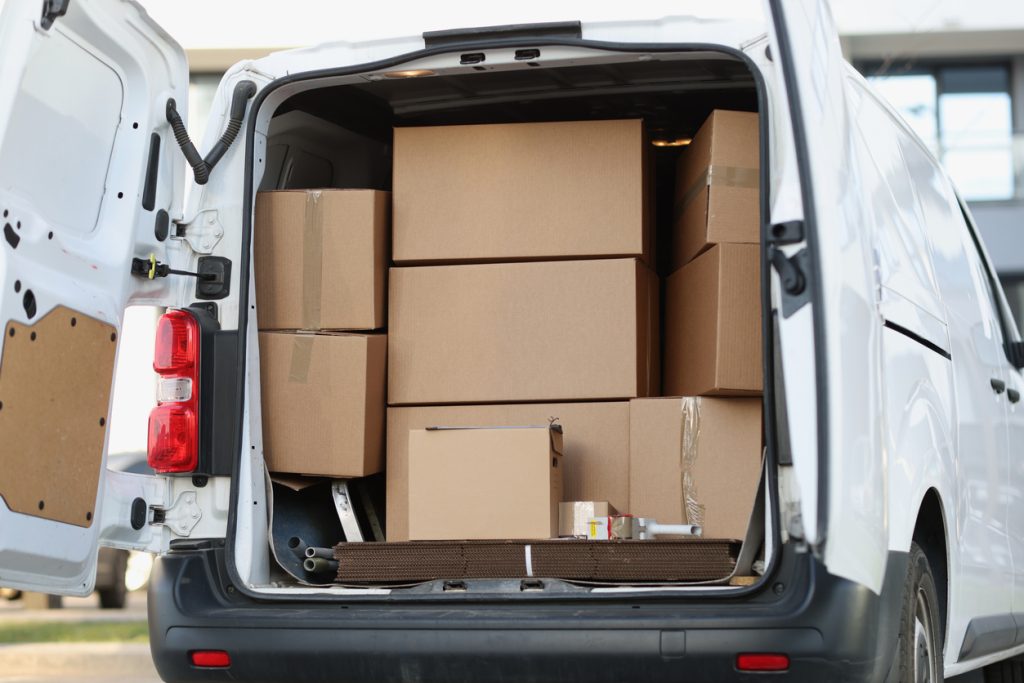
Quality control for China suppliers is the process of verifying that products meet your specifications before they are shipped from China to your destination country.
For importers in Nigeria, Ghana, and other African markets, quality control is one of the most important parts of the import process because:
- product defects can damage your reputation
- returning goods to China is expensive
- customs duties are still payable even on poor-quality products
- quality issues can reduce profits significantly
The best time to discover a problem is before the goods leave the factory—not after they arrive at your warehouse.
Why quality control is important when importing from China
Many importers focus heavily on price and shipping costs but overlook quality verification.
Common problems include:
- products not matching samples
- incorrect quantities
- poor packaging
- missing accessories
- defective units
- wrong branding or labeling
A shipment that looks profitable on paper can become a loss if quality standards are not checked before export.
Types of Quality Control Inspections
Pre-Production Inspection (PPI)
This inspection takes place before manufacturing begins.
Inspectors verify:
- raw materials
- components
- factory capability
- production readiness
This helps identify potential issues before large-scale production starts.
During Production Inspection (DPI)
This inspection occurs while products are being manufactured.
Benefits include:
- identifying problems early
- reducing the risk of large-scale defects
- allowing factories to make corrections before completion
This is particularly useful for large orders.
Pre-Shipment Inspection (PSI)
This is the most common quality control inspection.
It takes place when production is complete and most goods are packed.
Inspectors check:
- product quality
- functionality
- quantity
- packaging
- labeling
- shipping marks
Many experienced importers consider this the most important inspection stage.
Container Loading Inspection (CLI)
This inspection occurs when goods are loaded into containers.
Inspectors verify:
- correct products are loaded
- quantities match documentation
- packaging is secure
- containers are in good condition
This helps prevent shipment mix-ups.
What Inspectors Usually Check
Product Specifications
Inspectors compare products against:
- approved samples
- technical drawings
- product descriptions
- agreed specifications
Product Functionality
For electronics and machinery, inspectors often test:
- performance
- safety features
- charging functions
- operating systems
- accessories
Packaging Quality
Packaging is important because products travel thousands of kilometers.
Inspectors review:
- carton quality
- protective materials
- labeling
- barcodes
- shipping marks
Quantity Verification
Inspectors confirm:
- carton count
- product count
- packing list accuracy
This helps ensure suppliers do not ship fewer units than ordered.
How to Select Reliable China Suppliers
Quality control starts before production.
Verify supplier legitimacy
Check:
- business licenses
- factory audits
- export history
- years in operation
Request samples
Always order samples before placing a large order.
Evaluate:
- quality
- durability
- packaging
- functionality
Use clear specifications
Provide suppliers with:
- detailed product requirements
- dimensions
- materials
- packaging instructions
- branding requirements
The clearer your instructions, the fewer misunderstandings occur.
Common Quality Problems African Importers Face
Many importers from Nigeria and Ghana encounter:
- lower-quality products than samples
- inconsistent product batches
- weak packaging
- missing items
- wrong product colors or sizes
- counterfeit branding issues
Most of these problems can be prevented through structured quality control.
Red Flags When Working with China Suppliers
Watch for suppliers who:
- refuse inspections
- avoid providing samples
- constantly change specifications
- offer unrealistically low prices
- pressure buyers into immediate payment
- provide incomplete company information
These are warning signs that require additional verification.
Technology and Quality Control in 2026
Modern quality control increasingly includes:
- digital inspection reports
- real-time factory photos and videos
- remote inspections
- AI-assisted defect detection
- cloud-based supplier monitoring systems
These tools help importers monitor production without being physically present.
Best Practices for Importers
To reduce risk:
- Verify suppliers before payment.
- Request product samples.
- Use written specifications.
- Schedule pre-shipment inspections.
- Confirm packaging requirements.
- Keep detailed records of agreements.
- Avoid relying solely on product photos.
Following these steps significantly reduces the likelihood of receiving unsellable goods.
How Travo.ng Supports International Sourcing Operations
Quality control is about products—but sourcing requires travel
Importers often need to:
- travel for supplier meetings
- attend trade fairs and sourcing events
- coordinate logistics visits
- meet inspection partners
- manage international procurement activities
Efficient travel planning helps businesses respond quickly to sourcing opportunities.
How Travo.ng Supports Importers
Travo.ng supports sourcing and procurement professionals through:
- Airport pickup services
- Corporate travel coordination
- Hotel booking assistance
- Business travel support
- Executive transportation for trade-related activities
Reliable mobility helps importers focus on supplier selection, quality assurance, and supply chain management.
