


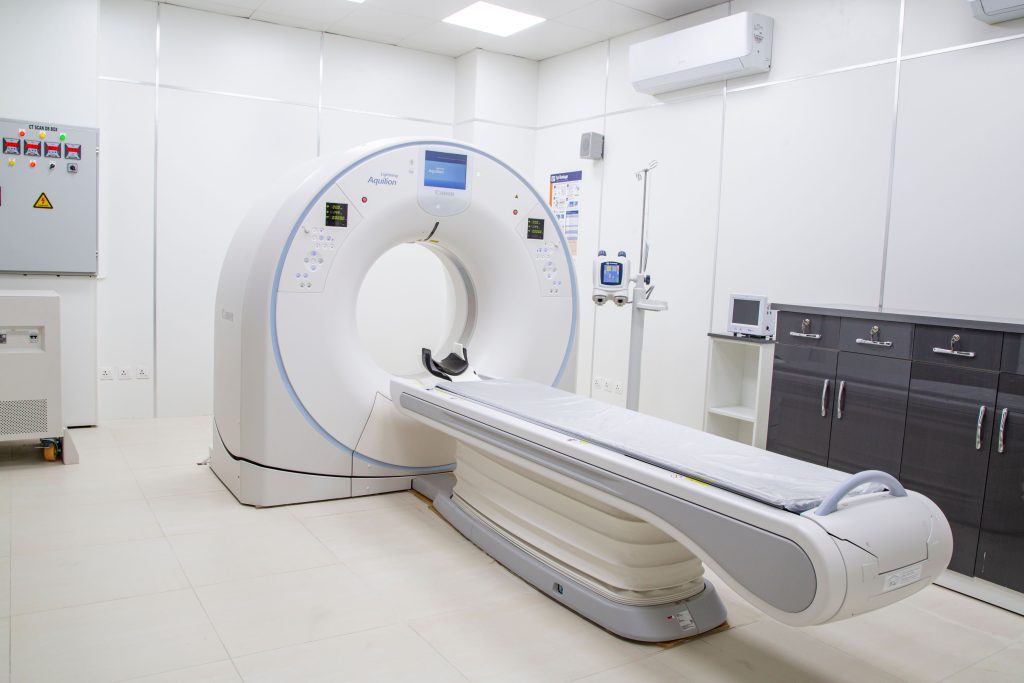
Moving a hospital, clinic, laboratory, diagnostic centre, or healthcare department is not like moving an ordinary office. A hospital relocation involves sensitive equipment, patient records, medical furniture, consumables, refrigeration needs, infection control, and strict timing. One wrong handling decision can delay service delivery or damage expensive medical assets.
That is why many healthcare providers now look for professional hospital relocation services in Nigeria instead of relying on general movers. Whether it is a small private clinic in Lekki, a diagnostic centre moving from Ikeja to Yaba, or a larger facility relocating from Abuja to another state, the process needs planning, trained handlers, suitable vehicles, and proper coordination.
Travo.ng supports healthcare facilities with practical relocation planning, transport coordination, cargo handling, and delivery support across Nigeria.
What Makes Hospital Relocation Different From Regular Moving
A hospital move requires more care because many items are fragile, expensive, or critical to daily operations. A regular household mover may be able to carry chairs and cabinets, but medical relocation often includes items such as:
Hospital beds and theatre furniture
Diagnostic machines and monitors
Laboratory equipment
Wheelchairs, stretchers, and trolleys
Medical records and administrative files
Refrigerated drugs and medical consumables
IT systems, desks, cabinets, and waiting-room furniture
Some equipment must remain upright. Some items need padding, crating, or careful loading. Others may need separate vehicles because they should not be packed with dusty furniture or heavy office items.
For example, moving a dialysis machine, ultrasound machine, X-ray accessories, or laboratory analyser requires better handling than moving normal office equipment. The team must understand weight, balance, packaging, and route conditions before loading starts.
Planning a Hospital Move Without Disrupting Patients
The biggest challenge in hospital relocation is continuity of care. A clinic cannot simply close for one week without affecting patients, appointments, test results, and emergency needs.
A proper relocation plan should consider:
Which departments move first
Which services must remain open during the move
When equipment should be disconnected and reinstalled
How patient records will be protected
How medicines and consumables will be transported
What backup arrangements are needed if there are delays
For many Nigerian healthcare providers, weekend or night movement is often better, especially in cities like Lagos, Abuja, Port Harcourt, and Ibadan where traffic can affect timing. In Lagos, moving from Victoria Island to Ikeja may look simple on paper, but Third Mainland Bridge traffic, road repairs, rain, or port-area congestion can easily affect delivery time.
Common Mistakes Hospitals Make When Relocating
One common mistake is waiting until the last few days before arranging transport. Hospital relocation should not be handled like a last-minute dispatch job. Equipment must be listed, measured, packed, and assigned to the right vehicle type.
Another mistake is mixing all items together. Medical files, theatre items, office furniture, beds, and laboratory equipment should not be loaded without sorting. It increases the risk of loss, contamination, breakage, and confusion during unpacking.
Some facilities also underestimate access issues. A truck may reach the new location, but can it enter the compound? Is there enough space to offload? Is the lift working? Are staircases wide enough for beds or machines? These details matter before moving day.
How Hospital Equipment Should Be Packed and Moved
For safer movement, every item should be grouped by department. Labels should be clear and easy to read. Fragile equipment should be wrapped, padded, and secured so it does not shift while the vehicle is moving.
Large hospital furniture may need dismantling before loading. Beds, cabinets, screens, and waiting-room chairs should be arranged in a way that allows quick offloading at the destination. Sensitive medical devices should be handled separately from bulky items.
For interstate hospital relocation, such as Lagos to Abuja, Enugu to Port Harcourt, or Ibadan to Kano, route planning becomes more important. The vehicle condition, driver experience, road security, rest stops, and loading quality all affect the success of the move.
What It May Cost to Move a Clinic or Hospital in Nigeria
The cost of hospital relocation services in Nigeria depends on the size of the facility, distance, number of vehicles, type of equipment, packing needs, labour required, and whether interstate movement is involved.
A small clinic move within the same city may require a van or medium truck, while a larger hospital may need multiple trucks, special handling, packing materials, and several trips. Moving within Lagos will usually cost less than relocating equipment from Lagos to Abuja or Port Harcourt.
A proper quote should be based on inspection or a clear inventory, not guesswork. The more detailed the item list, the easier it is to avoid surprise costs.
How Travo.ng Helps Healthcare Facilities Relocate Smoothly
Travo.ng helps hospitals, clinics, pharmacies, laboratories, and diagnostic centres coordinate medical relocation in a more organized way. Depending on the project, support may include vehicle sourcing, cargo movement, packing coordination, courier support, equipment delivery, document movement, and interstate logistics planning.
Healthcare facilities can also use Travo.ng for related needs such as airport pickups for visiting medical consultants, hotel reservations for project teams, delivery of medical supplies, and transport coordination for staff during the relocation period.
The goal is simple: help the move happen safely, on time, and with fewer disruptions to patients and operations.
Before You Book Hospital Relocation Support
Before booking, prepare a basic inventory of what needs to move. Separate medical equipment from furniture, consumables, records, and office items. Confirm both pickup and delivery addresses, access restrictions, preferred moving date, and any equipment that requires special handling.
With the right plan and a reliable logistics partner, hospital relocation does not have to become chaotic. Travo.ng provides practical hospital relocation services in Nigeria for healthcare providers that need careful handling, proper transport, and local logistics experience.
