


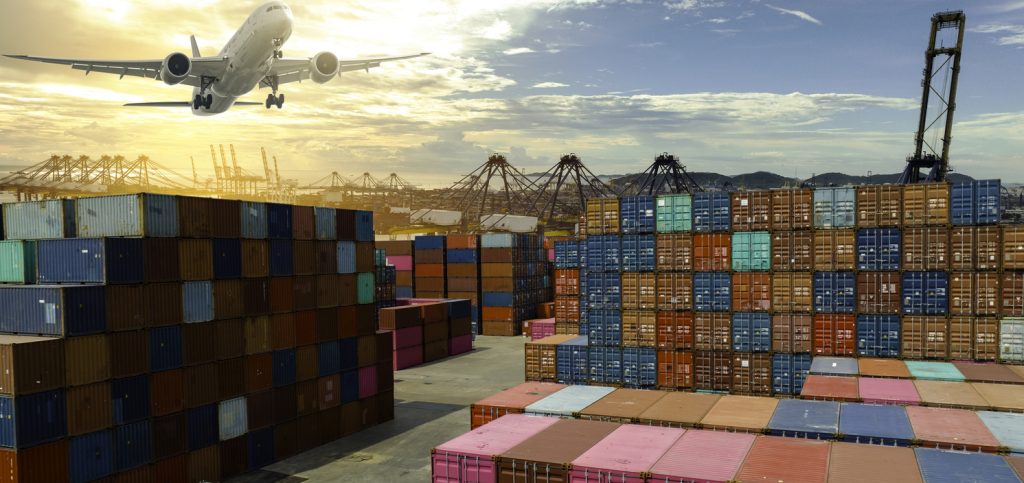
Offshore support vessel logistics in Nigeria is not just about moving a vessel from one point to another. It involves people, cargo, permits, timing, port coordination, hotel arrangements, airport pickups, and last-mile transport working together without delays.
For companies supporting oil and gas operations around Lagos, Warri, Port Harcourt, Onne, Bonny, Calabar, and Escravos, poor coordination can quickly become expensive. A delayed crew pickup, missing equipment, or late cargo delivery to the jetty can affect an entire offshore schedule.
That is why many operators now prefer working with a practical logistics partner like Travo.ng, especially when they need transport, delivery, travel booking, accommodation, and movement support handled from one place.
What Offshore Vessel Support Usually Involves
Most offshore operations depend on several moving parts before a vessel sails or receives support at sea. These may include:
- Crew airport pickups and drop-offs
- Hotel reservations for marine workers
- Transport from hotels to jetties or terminals
- Delivery of spare parts and tools
- Cargo movement to ports and waterfront locations
- Interstate transport for personnel and equipment
- Emergency courier support for documents or small items
For example, a technician arriving at Lagos airport may need to connect to a hotel in Victoria Island, then move early the next morning to Apapa or Tarkwa Bay. In Port Harcourt, crew members may need transport from the airport to Onne Port, Marine Base, or a hotel near Trans-Amadi.
These movements sound simple until flight delays, traffic, security checks, and loading schedules enter the picture.
Common Problems Companies Face During Marine Logistics
One common issue is poor timing. A driver may arrive late because the pickup details were unclear. Cargo may reach the city but not the right jetty. Crew may land at night without hotel arrangements confirmed.
Another problem is relying on separate vendors for every task. One agent handles the hotel, another handles the vehicle, another sends the parcel, and nobody has full visibility. When something goes wrong, the company spends time chasing updates instead of solving the problem.
In Nigerian offshore operations, small delays can create bigger costs. Lagos traffic around Apapa, Mile 2, and Lekki can affect port access. In Rivers State, movement to Onne or Bonny-related operations must be planned carefully. During peak travel seasons, flights and hotel rooms also become harder to secure.
How Travo.ng Supports Offshore Movement
Travo.ng helps companies coordinate the travel and logistics side of offshore support operations. Instead of treating transport, courier, accommodation, and booking as separate problems, the service connects them into one practical movement plan.
A company can use Travo.ng to arrange airport pickups for crew, book hotel stays, schedule vehicle hire, move urgent documents, send marine supplies, or coordinate cargo delivery to a designated location.
This is useful for:
- Oil and gas service companies
- Marine contractors
- Vessel agents
- Engineering teams
- Crew managers
- Procurement officers
- Offshore maintenance teams
The goal is simple: reduce confusion before the vessel operation begins.
Realistic Timelines to Plan Around
For offshore support vessel logistics in Nigeria, timing depends on the city, cargo size, and route.
Small parcels within Lagos may move the same day if booked early. Airport pickups can be arranged around flight arrival time, but buffer time is important because of baggage delays and traffic. Cargo going from Lagos to Port Harcourt or Warri usually requires better planning, especially if it is bulky, fragile, or needed before a vessel loading window.
For crew movement, it is safer to confirm:
- Flight arrival time
- Number of passengers
- Luggage or equipment volume
- Hotel address
- Jetty or port reporting time
- Contact person at destination
These details help avoid last-minute confusion.
Mistakes to Avoid When Planning Offshore Logistics
One mistake is waiting until the day of movement before booking vehicles or delivery support. Another is assuming all drivers understand port or jetty procedures. Offshore-related movement often requires clear instructions, contact names, and exact drop-off points.
Companies should also avoid sending cargo without proper labeling. A box marked only with a company name may get delayed if the receiving person is unavailable. Include receiver details, phone numbers, destination address, and handling notes.
For crew travel, hotel location matters. A cheaper hotel far from the pickup point may cost more in time and transport stress the next morning.
When to Use a Coordinated Logistics Partner
You should consider a coordinated partner when the movement involves multiple people, different cities, sensitive cargo, tight timing, or offshore reporting deadlines.
Travo.ng is especially useful when a company needs more than just a driver or courier. For example, one offshore team may need flight booking, hotel reservation, airport pickup, vehicle hire, and document delivery before joining a vessel. Handling these together makes the process easier to monitor.
Book Offshore Logistics Support With Travo.ng
Offshore operations in Nigeria require reliable ground support. Whether you need crew transport, cargo delivery, airport pickup, hotel booking, courier service, or vehicle hire, Travo.ng provides practical support for companies working around Nigerian ports, marine bases, and offshore supply routes.
For offshore support vessel logistics in Nigeria, good coordination is not optional. It saves time, reduces pressure on operations teams, and helps ensure people and materials arrive where they are needed.
Travo.ng makes that process easier to book, manage, and execute.
