


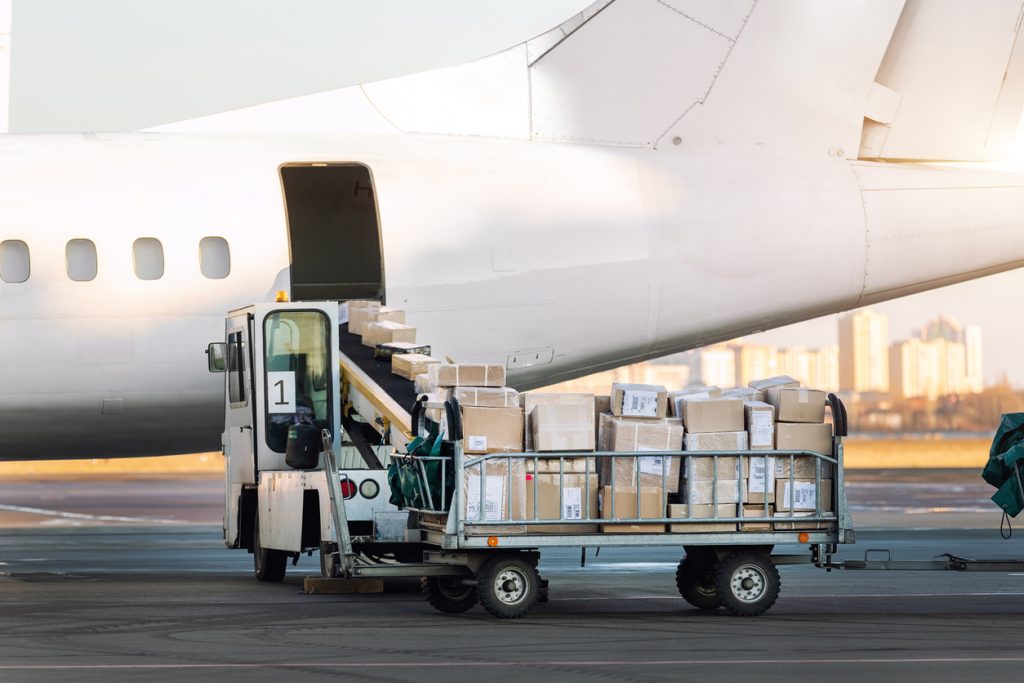
Air freight consolidation in Nigeria is a logistics process where multiple small shipments from different customers are combined into one larger air cargo shipment to reduce cost and improve efficiency.
Instead of each importer paying for separate space on a flight, a freight forwarder groups cargo together and ships it as one consolidated load.
This is very common for:
- 📦 Small and medium importers
- 🛍️ E-commerce businesses
- 🧴 Cosmetics and fashion traders
- 📱 Electronics importers
- 🏭 Spare parts suppliers
📦 How Air Freight Consolidation Works
🟢 1. Cargo Collection
- Goods are picked up from multiple customers
- Delivered to a consolidation warehouse
🟡 2. Sorting & Grouping
- Shipments are grouped by:
- Destination country (Nigeria inbound or outbound)
- Weight and size
- Airline requirements
🔵 3. Documentation Processing
- House Air Waybill (HAWB) is created for each customer
- Master Air Waybill (MAWB) covers the full consolidated shipment
🚚 4. Air Shipment Booking
- Freight forwarder books space with airlines
- Cargo is loaded onto a single flight
📦 5. Arrival & Deconsolidation
- Cargo arrives at destination airport
- Shipments are separated and cleared individually
- Final delivery is arranged
✈️ Major Airports for Air Freight Consolidation in Nigeria
✈️ Lagos Airport Cargo Terminal
Murtala Muhammed International Airport
- Nigeria’s busiest air freight hub
- Main entry point for consolidated cargo
✈️ Abuja Airport
Nnamdi Azikiwe International Airport
- Growing air cargo operations
- Used for regional distribution
💰 Cost of Air Freight Consolidation in Nigeria (2026 Estimate)
📦 Standard Rates
- $4 – $10 per kg (general cargo)
- $6 – $15 per kg (sensitive or urgent cargo)
🧾 Additional Costs
- Customs clearance fees
- Airport handling charges
- Local delivery (₦10,000 – ₦150,000+)
- Documentation charges (HAWB/MAWB processing)
👉 Consolidation is usually 30–60% cheaper than direct air freight booking for small shipments.
📦 Types of Cargo Suitable for Consolidation
- 👗 Fashion items and clothing
- 📱 Electronics and gadgets
- 🧴 Cosmetics and perfumes
- 🧸 Small e-commerce parcels
- ⚙️ Auto spare parts
- 🧪 Laboratory samples and light equipment
⚠️ Challenges in Nigeria
- ⏳ Customs clearance delays
- 📦 Mislabeling or documentation errors
- 🚚 Deconsolidation delays at airport warehouses
- 💰 Currency fluctuations affecting pricing
- 📉 Limited cargo space during peak seasons
📌 Benefits of Air Freight Consolidation
- 💰 Lower shipping cost for small shipments
- 📦 Efficient use of cargo space
- ✈️ Faster delivery than sea freight
- 📡 Easier tracking through freight forwarders
- 🌍 Access to global shipping routes
🔎 Travo.ng Logistics Insight (IMPORTANT)
For importers and exporters in Nigeria:
👉 Travo.ng
On Travo.ng, users can:
- Compare air freight consolidation rates
- Connect with verified freight forwarders
- Book group air cargo shipments
- Track consolidated shipments from origin to delivery
This helps businesses reduce costs and find reliable logistics partners.
💡 Final Thoughts
Air freight consolidation in Nigeria is one of the most cost-effective ways for small and medium importers to ship goods internationally. By sharing cargo space, businesses reduce costs while still enjoying fast air delivery services.
