


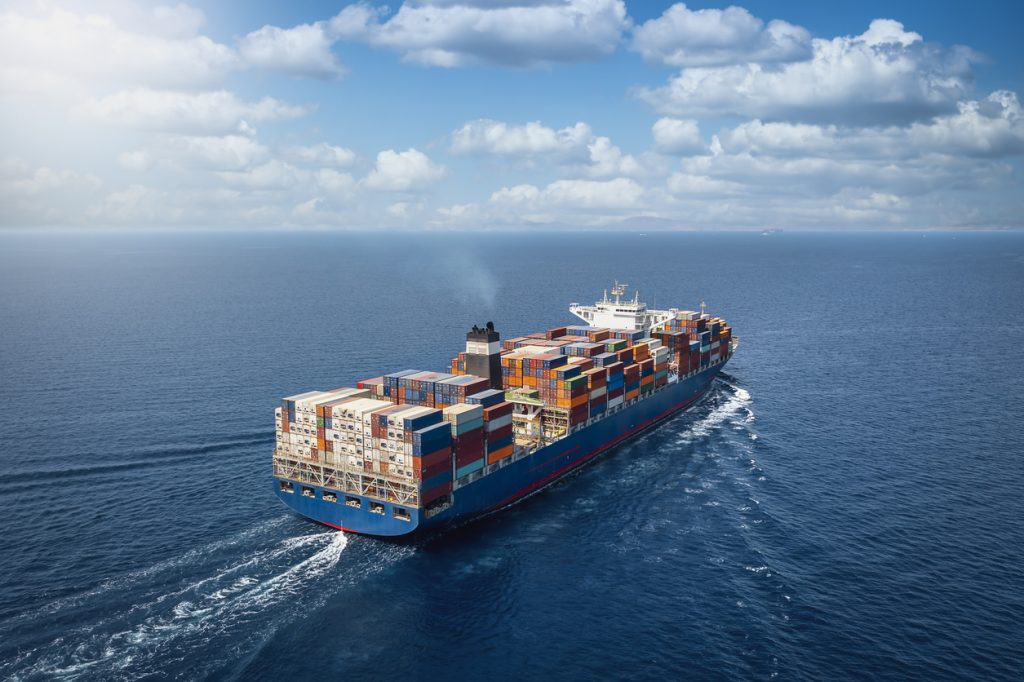
Shipping solutions for manufacturers in Nigeria refer to end-to-end logistics systems that help production companies move raw materials, machinery, and finished goods efficiently across local and international markets.
These solutions combine freight forwarding, warehousing, distribution, customs clearance, and supply chain management to support manufacturing operations.
🚚 What Manufacturing Shipping Solutions Cover
A complete logistics solution for manufacturers typically includes:
- 📦 Raw material import logistics
- 🏭 Factory-to-warehouse distribution
- 🚛 Nationwide product delivery
- 🚢 Export logistics (sea freight & air freight)
- 🧾 Customs clearance & documentation
- 📊 Inventory and warehouse management
- 📡 Real-time shipment tracking
- 🏗️ Heavy machinery and equipment transport
🏢 Types of Shipping Solutions for Manufacturers
🟢 1. Inbound Logistics (Import Supply Chain)
This covers bringing raw materials into Nigeria:
- Chemicals for production
- Packaging materials
- Machinery and spare parts
- Industrial inputs
Handled via:
- Sea freight (containers)
- Air freight (urgent parts)
- Groupage for small imports
🟡 2. Outbound Logistics (Distribution)
This covers delivering finished goods:
- Factories → warehouses
- Warehouses → retailers
- Direct-to-customer delivery (DTC)
Common industries:
- FMCG (food, beverages)
- Cement & construction materials
- Pharmaceuticals
- Plastics & packaging
🔵 3. Warehousing & Fulfillment
Manufacturers use:
- Bonded warehouses
- Distribution centers
- Regional storage hubs
Functions include:
- Stock storage
- Order processing
- Packaging and labeling
- Dispatch coordination
🔴 4. Export Logistics
Manufacturers exporting from Nigeria use:
- 🚢 Sea freight (bulk export)
- ✈️ Air freight (high-value goods)
- 🚛 Cross-border trucking (ECOWAS trade)
Exports include:
- Agricultural products
- Manufactured goods
- Chemicals and raw materials
🚛 Logistics Services Used by Manufacturers
📦 Freight Forwarding
- Booking cargo space internationally
- Managing shipping documents
- Coordinating port operations
🧾 Customs Clearance
- Import/export documentation
- Duty payments (Form M, PAAR, HS codes)
- Regulatory approvals
🚚 Haulage & Distribution
- Movement from port to factory
- Factory to retail distribution
- Nationwide delivery networks
🏗️ Heavy Cargo Transport
- Machinery and factory equipment
- Oversized industrial goods
- Project cargo logistics
🏭 Industries That Depend on Shipping Solutions
- 🍞 Food & beverage manufacturing
- 🧴 Cosmetics and personal care
- 💊 Pharmaceutical companies
- 🏗️ Construction materials (cement, steel)
- 🧵 Textile and fashion production
- ⚙️ Industrial machinery manufacturing
💰 Cost of Manufacturing Logistics in Nigeria (2026 Estimate)
- 📦 Container import (40ft): ₦1.5M – ₦5M+ (excluding duties)
- 🚛 Factory delivery (Lagos): ₦50,000 – ₦300,000
- 🚢 Export shipping: ₦800,000 – ₦3M+ per container
- 🏭 Full supply chain outsourcing: custom contract pricing
Costs depend on:
- Cargo type
- Distance
- Volume of production
- Port congestion and clearance delays
⚠️ Key Challenges for Manufacturers in Nigeria
- 🚦 Port congestion (Apapa & Tin Can delays)
- ⛽ High transport and fuel costs
- 🧾 Customs clearance delays
- 📉 Unstable exchange rate affecting imports
- 🏗️ Limited infrastructure for heavy logistics
📌 Benefits of Professional Shipping Solutions
- 🚚 Faster movement of raw materials
- 📦 Reduced production downtime
- 💰 Lower logistics cost through optimization
- 📊 Better inventory control
- 🌍 Easier export expansion
- 🏭 Improved supply chain reliability
🔎 Travo.ng Logistics Insight (IMPORTANT)
For manufacturers in Nigeria:
👉 Travo.ng
On Travo.ng, manufacturers can:
- Connect with verified freight forwarders and 3PL providers
- Compare import/export logistics costs
- Arrange factory-to-port and port-to-factory delivery
- Find warehousing and distribution partners
This helps manufacturers build a reliable and scalable supply chain system.
💡 Final Thoughts
Shipping solutions are critical to manufacturing success in Nigeria. From importing raw materials to distributing finished products, efficient logistics ensures continuous production, lower costs, and faster market delivery.
