


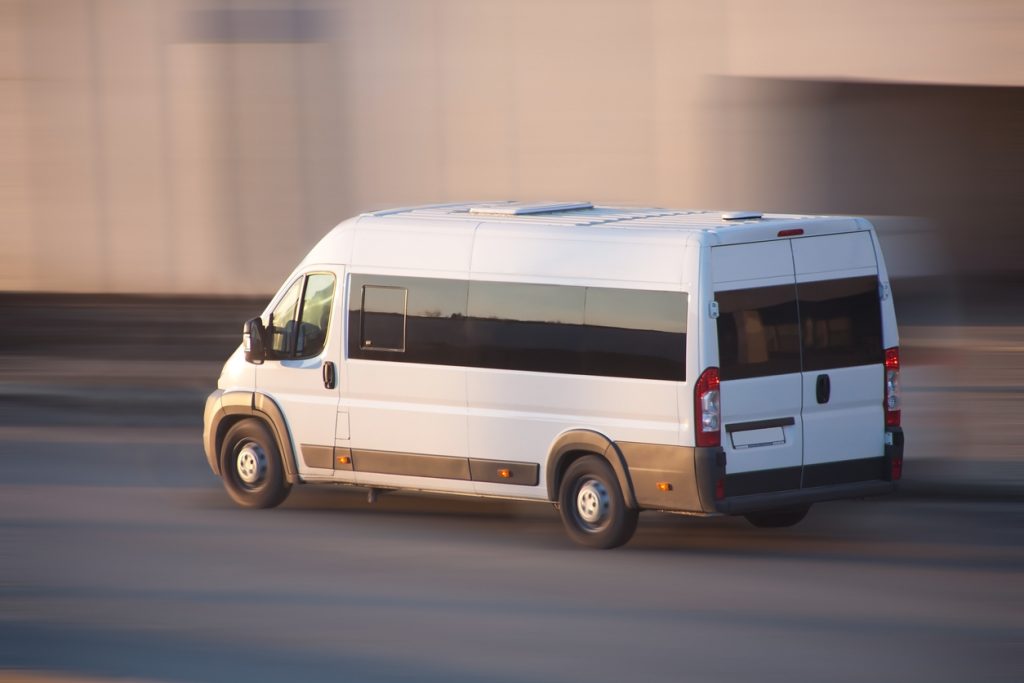
Mini buses (commonly called “korope”) are widely used for transport business, school runs, shuttle services, and city commuting in Nigeria. Prices vary based on brand, condition, engine type, and whether it is locally used or imported (tokunbo).
Below is a realistic 2026 market breakdown based on current Nigerian auto and transport market trends.
🚐 Mini Bus Price List in Nigeria (2026 Estimated)
🟢 Locally Used Mini Buses
- ₦1.8 million – ₦3.5 million
- Older buses already used in Nigeria
- Cheaper but may require repairs and maintenance
🟡 Tokunbo (Foreign Used) Mini Buses
- ₦3.5 million – ₦5.8 million
- Imported buses (Suzuki Every, Daihatsu Hijet, etc.)
- Most common choice for transport business starters
🔵 Suzuki / Daihatsu Mini Buses (Most Popular Models)
- ₦4.5 million – ₦25 million
- Fuel-efficient, strong for commercial transport
- Widely used for korope and shuttle services
🔴 Brand New / High-End Mini Buses
- ₦25 million – ₦80+ million (varies by model and dealer)
- Used by schools, companies, and formal transport firms
- Higher reliability but expensive initial cost
📊 Quick Price Summary
- Cheapest mini buses: ₦1.8M – ₦3.5M
- Tokunbo buses: ₦3.5M – ₦5.8M
- Popular Suzuki/Hijet range: ₦4.5M – ₦25M
- Brand new commercial buses: ₦25M+
📌 What Affects Mini Bus Prices?
- Engine condition and mileage
- Import status (tokunbo vs locally used)
- Model (Suzuki Every, Daihatsu Hijet, etc.)
- Year of manufacture
- Fuel type and transmission
- Market exchange rate (dollar impact)
💡 Final Thoughts
Mini buses remain one of the most profitable entry points into Nigeria’s transport business because they are cheaper to maintain than larger buses and suitable for daily commercial routes.
With platforms like Travo.ng, transport operators can compare vehicle costs, plan routes, and manage logistics more efficiently.
