

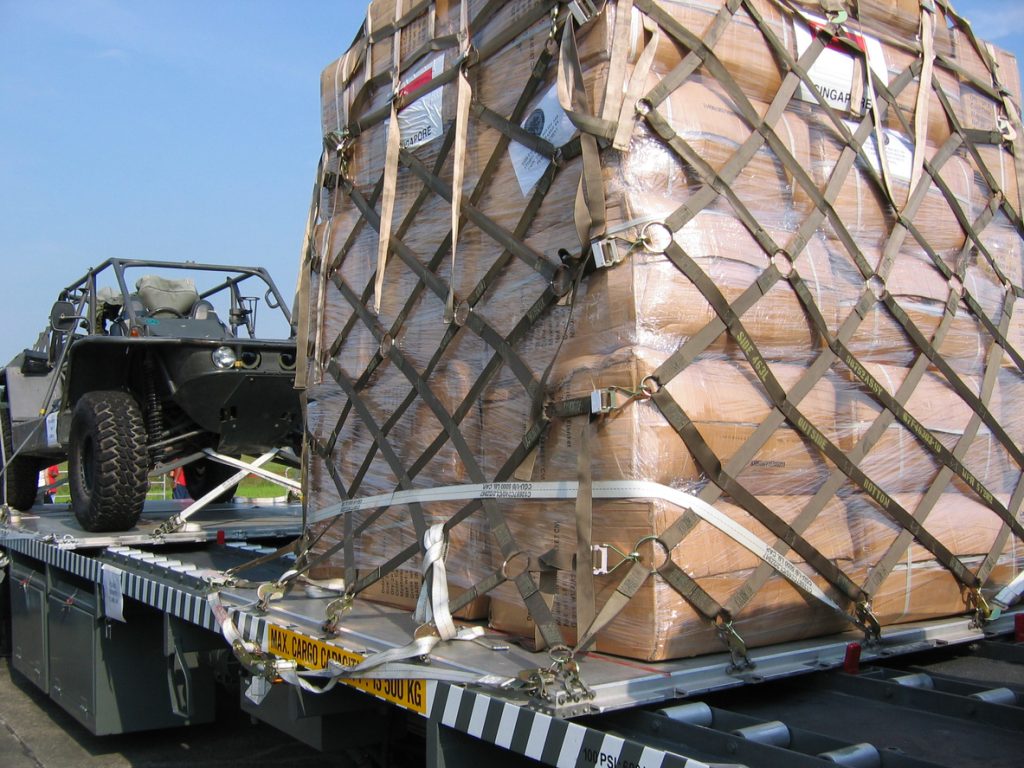
Moving goods across Nigeria’s borders involves more than arranging a truck and preparing customs documents. Cargo can be damaged during loading, delayed at checkpoints, or lost while moving between countries. For importers, exporters, and businesses transporting valuable goods, understanding border cargo insurance processing in Nigeria helps reduce financial exposure when shipments do not go as planned.
Whether you are moving merchandise through Seme Border in Lagos or transporting commercial goods towards Benin Republic, proper insurance arrangements should be part of your shipping preparations.
What Cargo Insurance Actually Covers During Border Transport
Cargo insurance provides financial protection against specific risks affecting goods during transportation. However, coverage depends on the policy purchased.
For example, a trader transporting electronics from Lagos to Cotonou may need protection against theft, accidental damage, or vehicle-related incidents.
Depending on the insurer and policy conditions, coverage may include:
- Accidental damage during transportation
- Theft or loss of insured merchandise
- Fire and certain vehicle accidents
- Damage during loading and unloading, where included
- Specified risks during international transit
Insurance does not automatically cover customs penalties, ordinary delivery delays, improper packaging, or every type of theft.
Businesses should examine policy exclusions before paying.
Documents Needed for Border Cargo Insurance Processing in Nigeria
Insurance applications become easier when shipment information is accurate and complete.
Insurers commonly request:
- Commercial invoice: Shows the goods and their declared value.
- Packing list: Identifies quantities, weights, and packaging details.
- Transport information: Includes vehicle details, shipping route, and destination.
- Cargo description: Explains the type and nature of the merchandise.
- Import or export documentation: Supports the shipment’s customs requirements.
Additional documents may be necessary depending on the insurer, cargo category, and destination country.
For Nigerian imports, businesses should also confirm applicable marine insurance and customs documentation requirements before shipment.
How Insurance Processing Works Before Goods Cross the Border
Consider a business transporting packaged consumer products from Lagos through Seme Border into Benin Republic.
The business first determines the cargo’s value and identifies potential transportation risks.
Next, it requests insurance quotations using the shipment details.
The insurer assesses the cargo, route, transportation arrangements, and requested coverage before providing policy terms and a premium.
Once the business accepts the terms and completes payment, it should obtain evidence of coverage and verify when protection begins.
Insurance should be arranged before the insured journey starts, rather than after the vehicle has already departed.
What Determines the Cost of Cargo Insurance?
There is no single insurance price for every cross-border shipment.
Premiums depend on factors such as cargo value, commodity type, destination, transport method, security arrangements, and policy coverage.
For illustration, a shipment valued at ₦5 million with a hypothetical insurance rate of 0.5% would attract a base premium of ₦25,000 before applicable charges.
This is only a calculation example, not a current market quotation.
High-value electronics, fragile products, and certain restricted commodities may require additional underwriting.
Avoid These Mistakes When Shipping Through Nigerian Borders
One common mistake is assuming that paying a transport company automatically means the goods are insured.
Another is declaring an inaccurate cargo value to reduce insurance costs. This can create problems during claims assessment.
Businesses should also avoid shipping without confirming the insured route, destination, and policy exclusions.
If damage occurs, preserve photographs, delivery records, and relevant incident reports. Notify the insurer promptly according to the policy’s claims procedure.
Arrange Cross-Border Cargo Logistics With Travo.ng
Successful cross-border shipping requires proper documentation, suitable transportation, realistic delivery planning, and appropriate insurance arrangements.
Travo.ng offers cargo logistics and transport coordination services that businesses can explore when planning shipments within Nigeria and across relevant transport corridors.
For insurance, confirm the required coverage directly with a licensed insurer or authorised intermediary. Travo.ng can be contacted to discuss available cargo movement and logistics coordination options.
Planning a commercial shipment? Contact Travo.ng to discuss your cargo transportation requirements before dispatch.
