


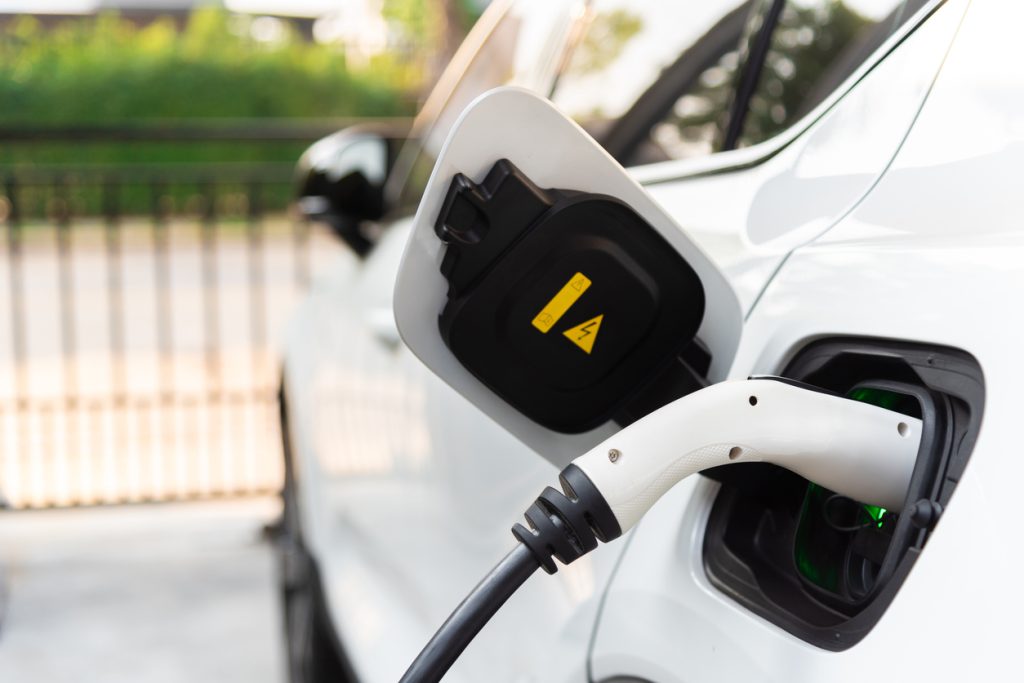
Electric vehicles are gradually becoming more visible on Nigerian roads, especially in Lagos and Abuja. However, finding a convenient charging solution remains a concern for many drivers. Installing a level 2 EV charger in Nigeria offers a practical way to charge electric cars faster at homes, offices, hotels, and commercial properties.
Unlike ordinary household sockets, Level 2 chargers use dedicated electrical circuits to deliver more power. For Nigerian EV owners dealing with irregular electricity supply, choosing the right charger involves more than purchasing equipment.
Understanding power requirements, installation costs, and charging arrangements can help you avoid expensive mistakes.
How Fast Can a Level 2 EV Charger Charge Your Car?
Most Level 2 EV chargers operate on approximately 220–240V electricity, making them suitable for properly configured Nigerian electrical installations.
Charging speed depends on the charger’s output, the vehicle’s onboard charger, and battery capacity.
Common charging options include:
- 3.7kW charger: Suitable for overnight residential charging.
- 7.4kW charger: A practical option for many private EV owners.
- 11kW charger: Requires compatible three-phase electrical supply and vehicle support.
- 22kW charger: Often considered for commercial charging facilities.
For example, a 7.4kW charger may add approximately 30–40 kilometres of driving range per hour, depending on vehicle efficiency.
A vehicle with a 60kWh battery could take roughly nine hours to charge from nearly empty using a compatible 7.4kW charger, allowing for charging losses.
What Does Level 2 EV Charger Installation Cost in Nigeria?
Installation expenses depend on equipment quality, electrical infrastructure, cable length, and property requirements.
A homeowner in Lekki may face different installation conditions from a business operating in Port Harcourt.
Before requesting quotations, consider:
- Charger power rating and connector compatibility.
- Existing electrical wiring and distribution capacity.
- Distance between the electrical panel and parking area.
- Earthing, circuit protection, and surge protection.
- Availability of reliable electricity or backup power.
Request an itemised quotation from a qualified electrical installer rather than relying on equipment prices alone.
Poor installation can cause overheating, electrical faults, or unnecessary repair expenses.
Managing EV Charging During Nigerian Power Outages
Electricity reliability is one of the biggest considerations when installing a level 2 EV charger in Nigeria.
Drivers who depend entirely on public electricity may experience interrupted charging sessions.
For residential users, overnight charging can work well when electricity is available consistently.
Businesses operating electric delivery vehicles may require more structured charging schedules.
Solar energy and battery storage can provide additional flexibility, although the system must be designed to handle the charger’s power demand.
A small household inverter should not automatically be considered suitable for EV charging.
Choosing the Right Charging Location in Lagos or Abuja
Charging location affects convenience and daily vehicle availability.
For private owners, installing equipment close to a secure parking space reduces cable exposure and makes overnight charging easier.
Businesses managing electric vehicles should consider:
- Vehicle arrival and departure schedules.
- Available parking spaces.
- Daily driving distances.
- Electricity consumption.
- Maintenance access.
A delivery business operating between Ikeja and Victoria Island, for example, should calculate daily energy consumption before deciding how many chargers to install.
Supporting Electric Mobility With Travo.ng
Reliable charging is only one part of operating an electric vehicle successfully.
Transport scheduling, vehicle availability, and journey planning also influence everyday mobility.
Travo.ng supports Nigerian mobility needs through transport coordination, vehicle hire arrangements, and business logistics services.
Businesses introducing electric vehicles can combine charging plans with organised transport and delivery operations to reduce unnecessary vehicle downtime.
Getting Started With Level 2 EV Charging in Nigeria
Before purchasing a charger, confirm your vehicle’s charging specifications and arrange an electrical assessment.
Choose equipment compatible with Nigerian voltage conditions, ensure proper circuit protection, and consider electricity availability at your location.
A properly installed level 2 EV charger in Nigeria can make daily electric vehicle ownership more convenient while supporting the country’s growing interest in cleaner transportation.
For broader transport coordination and business mobility support, Travo.ng offers practical services suited to Nigerian travel and logistics needs.
Is this conversation helpful so far?
