


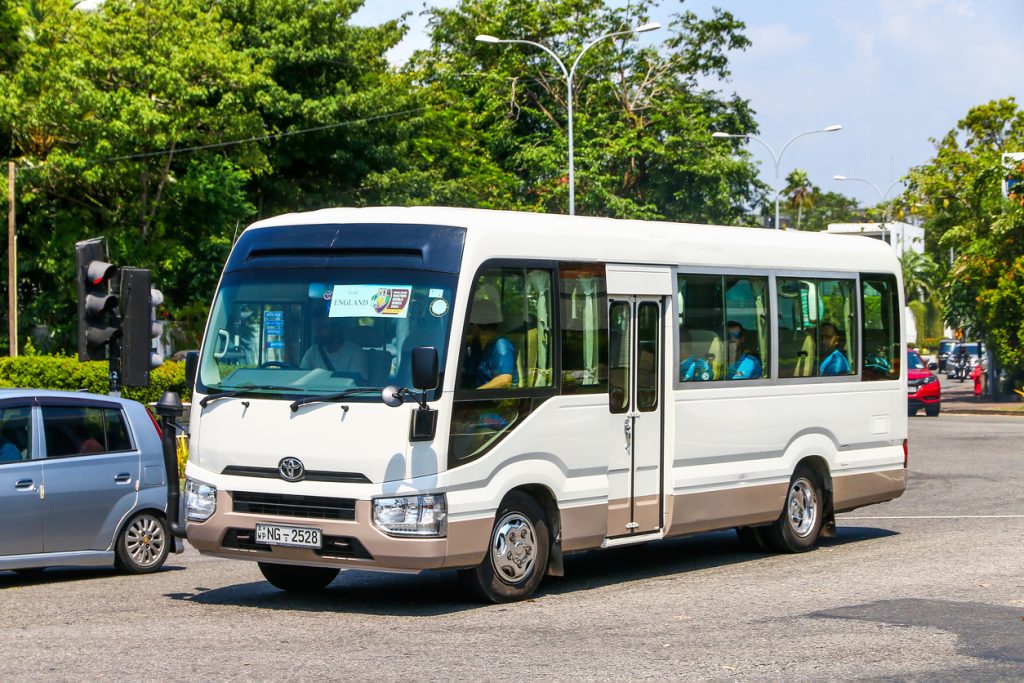
RTC Transport (commonly linked with Road Transport Company / RTC Nigeria) is a Nigerian interstate transport operator that provides passenger bus services and cargo (waybill) logistics across major cities in Nigeria.
It operates through a terminal-based (hub-to-hub) transport system, connecting travelers and traders moving between cities via scheduled road transport services.
Travo.ng explains this as a traditional interstate mobility and logistics network supporting passenger movement and parcel distribution across Nigeria.
1. What RTC Transport Does
RTC Transport provides:
- 🚌 Inter-state passenger transport
- 📦 Cargo and parcel (waybill) services
- 🏢 Motor park / terminal operations
- 🚚 Long-distance road logistics
👉 It functions mainly as a hub-to-hub transport system, not a door-to-door courier service.
2. Major Routes Covered
RTC Transport typically operates routes such as:
- Lagos → Abuja
- Lagos → Kaduna
- Lagos → Kano
- Lagos → Enugu
- Lagos → Onitsha
- Abuja → Northern and Southern cities
- Inter-regional interstate routes across Nigeria
It supports both Northern and Southern Nigeria travel corridors.
3. Cargo (Waybill) Services
RTC also handles:
- 📦 Parcel delivery between states
- 🧳 Passenger luggage transport
- 🛍️ Market goods movement
- 📦 Bulk commercial cargo
👉 Goods are processed at terminals and collected at destination motor parks.
4. How RTC Transport Works
- Passenger books ticket at terminal
- Cargo is registered at waybill desk
- Items are tagged and loaded into buses
- Bus departs on scheduled interstate route
- Receiver collects goods at destination terminal
5. Key Features
- Wide interstate route coverage
- Terminal-based operations
- Passenger + cargo combined services
- Affordable long-distance travel
- Regular bus schedules on major corridors
6. Strengths
- Useful for long-distance interstate travel
- Good for traders moving goods across Nigeria
- Affordable transport options
- Established intercity network
- Supports both passenger and logistics needs
7. Limitations
- Not a door-to-door delivery service
- No real-time tracking system
- Terminal pickup required
- Slower than modern courier/logistics apps
- Service quality may vary by route or station
8. Who Uses RTC Transport?
- Interstate travelers
- Traders sending goods across Nigeria
- Students and relocating workers
- SMEs moving bulk cargo
- Market vendors and wholesalers
9. Travo.ng Logistics Insight
From a logistics perspective, RTC Transport represents a traditional Nigerian interstate transport system, where:
- Movement is hub-to-hub (terminal-based)
- Goods move alongside passenger buses
- It supports national trade and mobility
- It remains part of Nigeria’s legacy road logistics infrastructure
Travo.ng positions it as a core intercity transport operator connecting Northern and Southern Nigeria through structured road transport services.
