


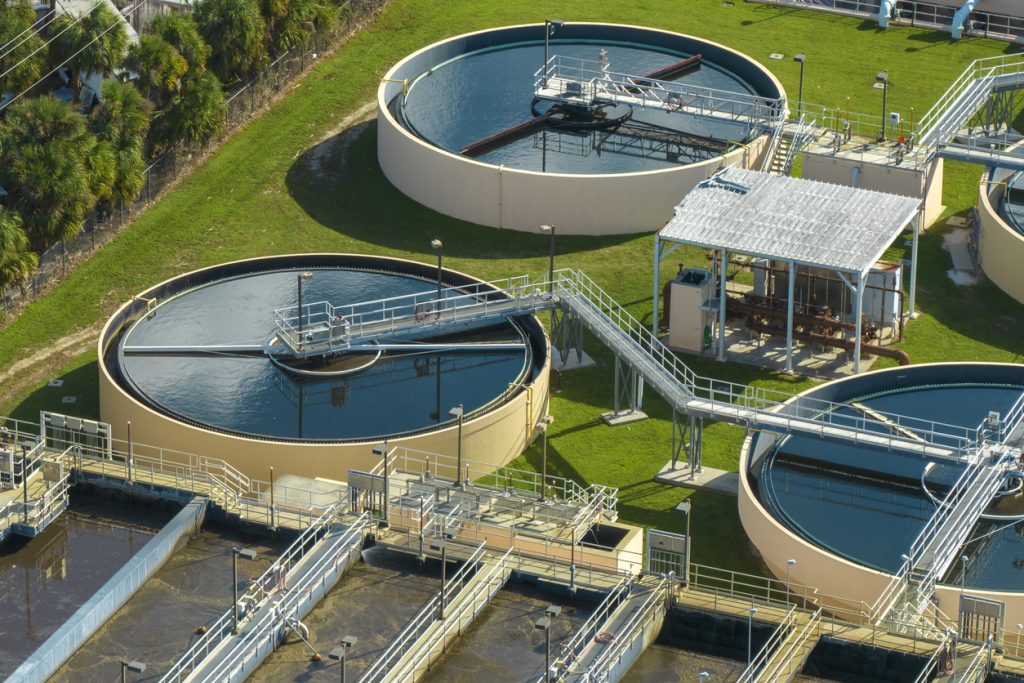
Access to clean, reliable water remains a daily challenge for many Nigerian households and businesses. In cities like Lagos, Abuja, Port Harcourt, and Ibadan, residents often depend on boreholes, water tankers, storage tanks, and private suppliers because public water distribution does not consistently reach every neighbourhood.
Improving water infrastructure in Nigeria requires more than drilling additional boreholes. It involves maintaining pipelines, installing treatment systems, improving storage facilities, and ensuring equipment reaches project locations without unnecessary delays.
For contractors, property developers, and businesses, dependable logistics also play an important role in keeping water infrastructure projects moving.
What Is Holding Back Water Infrastructure in Nigeria?
Nigeria has significant water resources, but access to safe and consistent supply remains uneven.
In parts of Lagos, including Lekki, Ajah, Ikorodu, and surrounding developing communities, new residential estates sometimes depend on private boreholes and treatment systems.
Several operational challenges contribute to these problems:
- Ageing pipelines that require repairs or replacement.
- Unreliable electricity affecting pumping stations.
- Limited water treatment and storage capacity.
- Poor maintenance of existing facilities.
- Difficult access to construction sites and developing communities.
- Delays in transporting pumps, pipes, tanks, and installation equipment.
Even when funding is available, poor coordination between suppliers, contractors, and transport providers can slow down projects.
How Better Water Infrastructure Can Improve Daily Life
Reliable water infrastructure supports homes, hospitals, schools, restaurants, and manufacturing facilities.
Consider a residential estate in Ibeju-Lekki with 100 households. If the estate depends entirely on water deliveries, residents may face fluctuating supply costs and delays during periods of high demand.
Installing a properly designed borehole, treatment facility, and central storage system could reduce dependence on tanker deliveries, provided groundwater quality and sustainable extraction have been assessed.
Similarly, manufacturers in Ogun State need dependable water supply for cleaning, processing, cooling, and other industrial operations.
Water interruptions can delay production, increase operating expenses, and affect business performance.
Transporting Water Infrastructure Equipment Across Nigeria
One challenge that receives little attention is moving the equipment needed to build and maintain water systems.
Water projects require different materials, including:
- Industrial water pumps and pumping equipment.
- PVC and HDPE pipes.
- Water storage tanks.
- Filtration and treatment equipment.
- Electrical control panels.
- Borehole drilling accessories.
- Valves, fittings, and installation materials.
Transporting these items requires careful planning, especially when equipment is oversized, fragile, or urgently needed.
For example, moving large storage tanks from a supplier in Lagos to a construction project in Abuja requires checking vehicle dimensions, loading arrangements, delivery access, and unloading equipment.
Poor packaging or inappropriate vehicle selection can damage equipment before installation begins.
Travo.ng supports businesses and contractors through cargo logistics, truck coordination, and delivery services that help move project materials between suppliers and installation locations.
Planning Water Infrastructure Projects in Lagos and Abuja
Successful water infrastructure development starts with understanding the location and operational requirements.
In Lagos, traffic congestion can affect deliveries from industrial areas such as Apapa, Ikeja, and Amuwo-Odofin to developing communities along the Lekki-Epe corridor.
Contractors should schedule equipment deliveries around site readiness and realistic travel conditions.
In Abuja, projects around Gwarinpa, Lugbe, and developing satellite communities may require additional coordination when transporting heavy equipment to sites with limited road access.
Before arranging delivery, project managers should confirm:
- The dimensions and weight of equipment.
- Whether the destination can accommodate delivery trucks.
- Availability of forklifts, cranes, or unloading personnel.
- Installation schedules and storage arrangements.
- Whether equipment requires special handling.
These checks reduce avoidable transport expenses and installation delays.
Maintaining Water Systems Instead of Waiting for Breakdowns
Building new water infrastructure is important, but maintaining existing systems is equally necessary.
A damaged pump, blocked filtration system, or leaking pipeline can interrupt water supply for an entire estate or commercial facility.
Facility managers should maintain replacement parts, schedule inspections, and identify dependable suppliers before emergencies occur.
For businesses operating multiple locations, coordinated procurement and delivery can help replacement components reach technicians faster.
Travo.ng’s courier and business logistics support can assist with moving suitable replacement parts, maintenance supplies, and other materials required for water system repairs.
Making Water Infrastructure in Nigeria More Reliable
Improving water infrastructure in Nigeria requires cooperation between government agencies, private investors, engineers, contractors, and local communities.
Investment should focus on dependable water treatment, efficient distribution networks, sustainable groundwater management, and regular maintenance.
However, physical infrastructure cannot function effectively without reliable supply chains.
When contractors receive materials on schedule, installation teams can work more efficiently and reduce costly project interruptions.
Businesses developing water facilities should therefore treat equipment procurement, transport coordination, and delivery planning as essential parts of project management.
For organisations handling water infrastructure projects across Lagos, Abuja, Port Harcourt, and other Nigerian cities, Travo.ng provides practical cargo transportation, delivery coordination, and business logistics support to help move essential materials where they are needed.
Reliable water supply begins with good infrastructure planning, but successful implementation also depends on getting the right equipment to the right location at the right time.
