


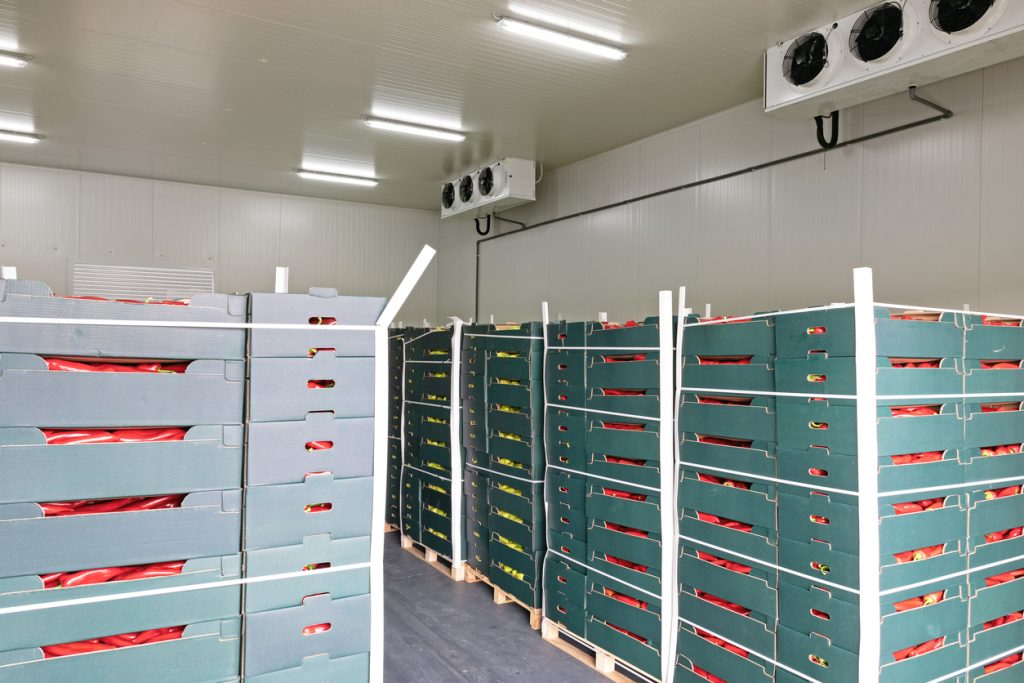
When sourcing refrigeration equipment in Nigeria, the useful specification begins with the product and operating conditions. A restaurant chiller, a produce aggregation room and an industrial frozen-food store do different jobs. The cheapest unit can become expensive if it cannot handle the load or has no workable maintenance support.
This guide helps business owners prepare an equipment enquiry, compare commercial and industrial refrigeration proposals, and respond sensibly to a cold room repair problem. Technical work should be carried out by competent refrigeration and electrical professionals using the applicable equipment instructions.
Commercial versus industrial refrigeration
Commercial refrigeration can include display cabinets, preparation fridges, walk-in rooms and distribution storage. Industrial refrigeration may serve larger processing or storage operations with more complex plant and controls. These labels alone do not define capacity, product suitability or energy demand.
Explain what you store, the required product conditions, how much arrives each day and how often doors open. Ask an engineer to assess the complete duty rather than choosing equipment only by floor area or a seller’s claimed number of tonnes.
Prepare a cold-chain equipment specification
| Information | Why the supplier needs it |
|---|---|
| Product and packaging | Defines handling, airflow and compatibility requirements |
| Incoming condition and daily throughput | Clarifies whether the room must cool incoming goods or mainly hold already cooled stock |
| Required temperature and humidity | Sets the product-specific performance target |
| Usable capacity and access | Allows for aisles, shelving, pallets and loading movements |
| Site climate and power arrangement | Supports assessment of plant duty and backup needs |
| Monitoring and maintenance | Defines alarms, records, service access and spare-parts support |
A holding room is not automatically a blast freezer or rapid pre-cooling system. Ask the supplier to state what the proposed system is designed to do. Agree how performance will be demonstrated at commissioning, including realistic loading and door-use conditions.
Compare complete supplier proposals
Check whether the quotation includes insulated panels, doors, refrigeration plant, controls, wiring, installation, drainage, monitoring and commissioning. Confirm who is responsible for site preparation, lifting, electrical upgrades and backup power. Identify exclusions before paying a deposit.
Request model details, refrigerant information, warranty scope, local technician support and expected spare-parts availability. Ask what happens if a critical part must be imported. A low equipment price is not the full lifetime cost of refrigeration.
For the wider commercial plan, see our cold storage business and financing guide. Equipment selection should follow the service model and demand assessment, not determine them by default.
Cold storage maintenance: plan preventive work
Danfoss’s cold-room diagnostic guidance identifies airflow, coil condition, door sealing, controls, defrost and alarm history among relevant maintenance checks. The service interval depends on the equipment, duty and environment; do not apply a universal schedule to every site.
Use the manufacturer’s plan and a competent technician to define tasks. Keep service records, fault reports and replacement details together. Review repeated temperature instability or rising energy use rather than treating each emergency call as an isolated event.
Staff can report visible damage, unusual noise, alarms, icing or door problems through an agreed process. They should not open electrical panels, alter refrigerant systems or bypass protective controls unless qualified and authorised to do that work.
Cold room repair Nigeria: protect stock first
If temperatures depart from the approved range, activate the site’s contingency procedure. Record the time, readings, affected stock and equipment alarms. Limit unnecessary door opening and stop adding warm goods. Arrange technical assessment and a suitable alternative storage or transport option where required.
Do not decide that a product is safe solely because it feels cold or the display has returned to normal. The responsible quality or food-safety person should assess the time-temperature evidence and determine whether goods can be released, held or rejected.
What to include in a refrigeration repair enquiry
Provide the location, equipment make and model, normal settings, current readings, alarm codes, when the problem started and any recent changes. Describe whether power has been interrupted, whether stock is rising in temperature and whether the room remains accessible.
Ask about assessment timing, call-out costs, authorisation for additional work and parts availability. Request a diagnosis and written scope rather than automatically approving replacement of the largest component. The manufacturer’s guidance supports a structured investigation because several different causes can produce similar symptoms.
Refrigeration monitoring and maintenance contracts
A maintenance agreement should identify equipment covered, planned visits, emergency response arrangements, exclusions and the process for approving repairs. Clarify whether sensors and alarms are included, how records are provided and who responds outside working hours.
Remote monitoring can help identify a problem, but an alert needs an accountable person and a response plan. Read the temperature monitoring and cold-chain tracking guide for the operational questions behind the dashboard.
Power and future expansion
Ask the design team to assess supply quality, backup changeover and the effect of expected expansion. Solar or hybrid power requires a complete energy and refrigeration design, including overnight operation and adverse weather assumptions. A solar panel rating alone does not establish reliable cooling.
For a related starting point, read solar cold storage planning. Keep energy, maintenance and monitoring responsibilities clear throughout the contract.
How Travo can assist
Travo’s verified services include refrigerated agricultural transport and warehouse enquiries. These can form part of a contingency or distribution plan after the required conditions and availability are confirmed.
Contact Travo with your cargo, location, volume and timing for logistics assistance. Equipment repair, engineering certification and technician availability must be separately confirmed; a transport booking is not a refrigeration maintenance contract.
