


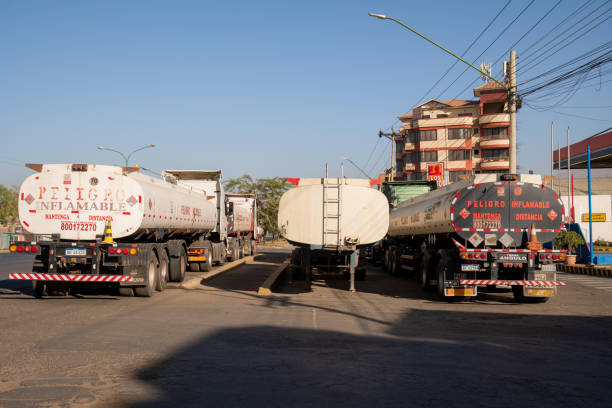
Paying for fuel in Nigeria is gradually changing. Many filling stations now accept bank transfers, POS payments, and other digital payment methods instead of relying entirely on cash.
For drivers, transport companies, and businesses managing several vehicles, fuel station electronic payment in Nigeria offers a more convenient way to handle daily fuel expenses.
However, network failures, delayed transaction confirmations, and payment disputes can still create problems. Understanding how electronic payments work at filling stations helps motorists avoid unnecessary delays.
How Fuel Station Electronic Payment in Nigeria Works
Electronic fuel payments allow customers to purchase petrol or diesel without carrying physical cash.
Depending on the filling station, customers can pay through:
- POS terminals: Customers pay using debit cards.
- Bank transfers: Money is transferred directly to the station’s designated account.
- Mobile banking apps: Drivers initiate payments through their banking applications.
- Fleet payment systems: Businesses use approved digital platforms to monitor vehicle fuel purchases.
In busy locations such as Ikeja, Lekki, Victoria Island, and Abuja, digital payments can make transactions easier when the payment network is functioning properly.
Drivers should always confirm the correct payment details before transferring money.
What Happens When a Fuel Payment Fails?
One common challenge at Nigerian filling stations is delayed payment confirmation.
A driver may transfer ₦20,000 for petrol, receive a debit alert, and discover that the station has not received confirmation.
This situation becomes frustrating when several vehicles are waiting behind the customer.
Before attempting another payment:
- Check the transaction status in your banking application.
- Confirm the recipient’s account details.
- Show the transaction reference to the station attendant.
- Ask the station to verify payment through its official banking channel.
- Contact your bank if the transaction remains unresolved.
Avoid making repeated transfers without confirming whether the original payment succeeded.
Managing Fuel Payments for Business Vehicles
Companies operating delivery vans, trucks, and corporate vehicles often face greater fuel management challenges than individual motorists.
For example, a logistics company operating vehicles between Lagos, Ibadan, and Abuja may need to monitor fuel purchases across different stations.
Without proper records, managers may struggle to identify unnecessary expenses or unauthorized transactions.
Electronic payment records can help businesses track:
- Fuel expenses for individual vehicles.
- Daily and weekly spending.
- Payment dates and transaction references.
- Differences between approved budgets and actual purchases.
Businesses should also record vehicle registration numbers, fuel quantities, and odometer readings alongside payment receipts.
These details make reconciliation easier.
Choosing Filling Stations That Accept Digital Payments
Not every filling station offers the same payment experience.
Some stations accept transfers but experience frequent confirmation delays. Others provide functioning POS terminals and reliable transaction records.
Before purchasing fuel, particularly during long-distance journeys, confirm the available payment methods.
Drivers travelling from Lagos to Benin City or Abuja should also carry an alternative payment option in case electronic services become unavailable.
During fuel shortages or periods of heavy demand, payment delays can worsen existing queues.
How Travo.ng Supports Better Transport Operations
Reliable fuel purchasing is only one part of managing transport operations efficiently.
Businesses must also coordinate vehicle availability, delivery schedules, interstate movements, and transport expenses.
Travo.ng supports companies through transport coordination, cargo logistics, vehicle hire arrangements, and business logistics services.
For businesses managing deliveries across Lagos, Abuja, and Port Harcourt, coordinated transport planning can reduce unnecessary vehicle movements and improve operational efficiency.
Although electronic fuel payments are handled by filling stations and their payment providers, businesses can combine accurate fuel records with organized transport management.
Making Fuel Payments More Convenient
Fuel station electronic payment in Nigeria can improve transaction records and reduce dependence on physical cash.
However, successful payments still depend on reliable banking networks, correct account details, and proper confirmation procedures.
Drivers should retain receipts, verify transfers, and maintain backup payment options.
For companies handling regular deliveries and vehicle movements, Travo.ng provides practical transport and logistics coordination services that support smoother daily operations.
