


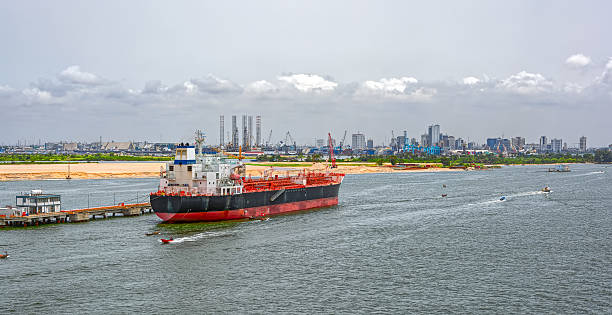
Emergency boat transport logistics for flooded zones refers to the use of boats and marine support systems to move people, goods, and essential supplies in areas that are temporarily or permanently affected by flooding.
In Nigeria—especially in **Makoko (Lagos Mainland waterfront), Lekki low-lying estates, Ajah flood-prone corridors, and parts of Ikorodu and Bariga—**heavy rainfall and poor drainage systems often disrupt road transport. During these periods, waterways become the only reliable access route.
Travo.ng supports emergency flood logistics by coordinating boat deployment, evacuation support, supply delivery, and last-mile access into flooded communities across Lagos lagoon and inland waterways.
1. What Is Emergency Boat Transport Logistics?
It is a water-based emergency mobility system used to:
- Evacuate residents during floods
- Deliver food, water, and medical supplies
- Move essential goods into isolated areas
- Support rescue and humanitarian operations
- Maintain limited economic activity during flooding
👉 It functions as a temporary “water highway” when roads are impassable.
2. Why It Is Critical in Nigeria
Flood-prone areas in Nigeria experience:
- Seasonal heavy rainfall (especially Lagos rainy season)
- Poor drainage and urban planning
- Rising sea levels in coastal communities
- Traffic paralysis during floods
- Isolation of waterfront settlements
In places like Makoko and parts of Lekki, residents often rely on boats even during normal conditions.
3. How Emergency Boat Logistics Works
- Flood alert or emergency request is received
- Boat operators are mobilized from nearby jetties
- Cargo or passengers are prioritized (medical, evacuation, supply delivery)
- Boats are assigned based on load size and route
- Navigation through lagoon or inland waterways
- Drop-off at accessible docking points or temporary platforms
4. Types of Emergency Boat Transport Services
1. Humanitarian Evacuation Transport
- Moving residents from flooded homes
- Priority for children, elderly, and medical cases
2. Emergency Supply Delivery
- Food and clean water
- Medicines and medical kits
- Fuel and essential household goods
3. Commercial Water Logistics
- Restocking waterfront shops and mini-marts
- Delivering goods to isolated markets
- Supporting small businesses during floods
4. Construction and Recovery Support
- Transporting building materials
- Flood recovery equipment delivery
- Waste removal logistics
5. Key Water Transport Routes in Lagos
Common operational areas include:
- Lagos Lagoon routes (Ikoyi, Victoria Island waterfronts)
- Makoko waterways (Lagos Mainland)
- Lekki lagoon and creeks
- Ajah–Ilaje coastal axis
- Ikorodu inland water routes
These routes become critical when major roads are flooded or blocked.
6. Logistics Infrastructure for Boat Transport
A. Water Transport Jetties
- Formal and informal docking points
- Pickup and drop-off coordination hubs
- Temporary emergency landing points during floods
B. Boat Types Used
- Wooden passenger boats (short distance evacuation)
- Fiber boats with outboard engines (fast response)
- Cargo boats (bulk supply delivery)
- Rescue boats (emergency operations)
C. Coordination System
- Real-time flood mapping (manual + reports)
- Boat dispatch scheduling
- Priority routing for emergency cases
7. Challenges in Flood Logistics in Nigeria
- Poor navigation infrastructure in some waterways
- Safety risks during heavy rainfall or strong currents
- Lack of standardized docking points in informal settlements
- Fuel cost and boat availability issues
- Limited emergency coordination systems
8. Benefits of Emergency Boat Transport Logistics
- Ensures access to isolated communities
- Reduces humanitarian risk during floods
- Maintains supply chain continuity
- Supports emergency rescue operations
- Provides alternative transport when roads fail
9. Who Uses This Service?
- Residents of flood-prone communities
- Emergency response agencies
- NGOs and humanitarian organizations
- Small businesses in waterfront areas
- Government disaster response units
- Logistics and supply companies
10. Best Practices for Flood Logistics Operations
- Maintain standby boats during rainy season
- Pre-position emergency supplies near waterways
- Train operators in safety and rescue procedures
- Use life jackets and safety equipment for all passengers
- Establish clear evacuation priority rules
- Monitor weather forecasts continuously
How Travo.ng Supports Emergency Boat Logistics
Travo.ng helps by:
- Coordinating emergency boat deployment in flooded Lagos zones
- Managing supply delivery into inaccessible areas
- Supporting evacuation logistics for residents and businesses
- Connecting responders with available marine transport operators
- Reducing response time during flood emergencies
