


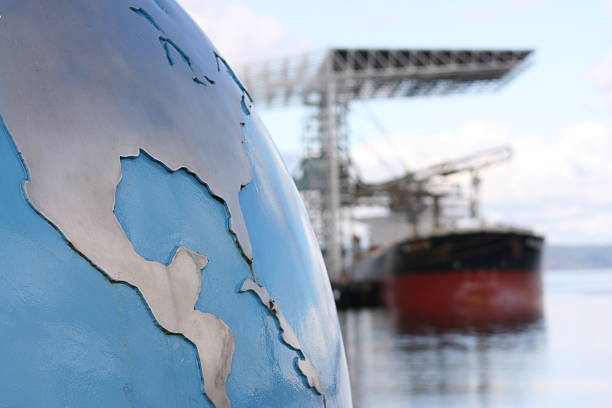
Global trade management is the process of planning, coordinating and controlling a company’s international buying and selling activities. It brings together import and export operations, trade documentation, customs requirements, transportation, compliance, costs and shipment visibility.
For businesses trading across borders, managing these activities separately can create delays, unnecessary costs and compliance problems. A structured global trade management process helps connect the commercial and logistics sides of international trade.
What Global Trade Management Covers
Global trade management can cover the full international trade process, including:
- Import and export planning
- Supplier and buyer coordination
- Product classification
- Trade documentation
- Customs procedures
- Duties and taxes
- Freight and transportation
- Landed cost management
- Regulatory compliance
- Shipment tracking
- Trade risk management
- International payment coordination
The exact requirements depend on the countries, products and trade routes involved.
Import and Export Management
Importers need to coordinate purchases, shipping, customs and final delivery, while exporters need to manage orders, documentation, transportation and destination requirements.
Global trade management connects these activities so businesses can understand what needs to happen before goods cross a border and after they arrive.
For a Nigerian importer, this could mean coordinating an overseas supplier, international freight, Nigerian customs clearance and transportation to the final warehouse.
Trade Compliance and Documentation
International trade involves rules that can vary between countries and product categories. Businesses need accurate documentation and must understand the regulatory requirements that apply to their shipments.
Trade management systems can help centralise documents and automate parts of the compliance process, reducing the risk of missing information or submitting incorrect documentation.
Managing Customs Duties and Landed Costs
The price paid to a supplier is not necessarily the final cost of an imported product.
Businesses may also have to account for freight, insurance, duties, taxes, port charges, clearing costs, storage and inland transportation.
Global trade management helps businesses calculate and monitor these costs so they can make better purchasing and pricing decisions.
Freight and Transportation Coordination
Moving goods internationally involves multiple parties, including suppliers, freight forwarders, shipping lines, airlines, customs agents, transport companies and warehouses.
Global trade management connects these logistics activities with the underlying trade transaction. This gives businesses a clearer view of where goods are going, which providers are involved and what needs to happen at each stage.
Supply Chain Visibility
Shipment visibility is important when businesses depend on imported materials or products.
Knowing whether goods are still with the supplier, in transit, at a port, undergoing clearance or ready for delivery can help businesses plan inventory and communicate with customers.
A centralised trade management process can bring transaction, documentation and shipment information together instead of keeping it across disconnected systems.
Global Trade Management for Nigerian Businesses
Nigerian importers and exporters may deal with international suppliers, freight companies, customs processes, banks, warehouses and local transport providers during a single transaction.
Managing these relationships requires careful coordination. A structured approach can help businesses identify their total costs, prepare documentation and plan transportation before goods move.
For SMEs, this can be particularly useful when international trade activities are managed by a small team.
Managing Trade Risks
International trade can expose businesses to risks involving delays, documentation errors, changing regulations, transportation disruptions and unexpected costs.
Global trade management helps businesses identify these risks earlier and establish processes for handling them. Technology can also be used to automate compliance checks and organise trade information.
Technology and Global Trade Management
Modern global trade management increasingly uses digital platforms to manage information and automate repetitive processes.
Businesses can use technology for document management, shipment visibility, trade compliance, cost analysis and reporting. More advanced systems can connect trade management with enterprise resource planning and logistics systems.
The objective is not simply to digitise paperwork but to give businesses better control over the entire international trade process.
How Travo.ng Can Help With Global Trade Management
Travo.ng can support the logistics side of international trade by helping businesses coordinate cargo movement, transportation and delivery requirements.
For Nigerian importers, exporters and businesses handling cross-border transactions, this can help connect the movement of goods with the wider trade process, from international transportation through to local delivery.
Building a More Organised Global Trade Process
Global trade management brings commercial, regulatory and logistics activities into one coordinated process.
For businesses operating across international markets, effective management means understanding more than just the purchase price of goods. Freight, customs, documentation, compliance, delivery and other costs all form part of the transaction.
For Nigerian businesses expanding their import or export activities, a structured global trade management process can provide better visibility and control throughout the movement of goods.
