


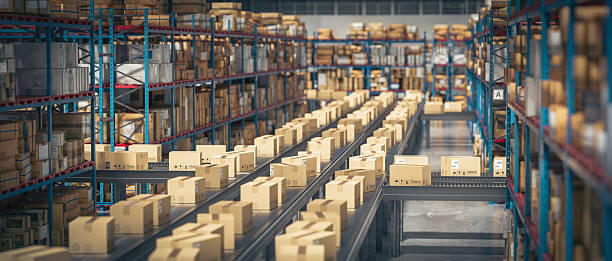
The Ilupeju, Oshodi, and Isolo warehouse corridor is one of the most important middle-zone logistics hubs in Lagos. It sits directly between:
- Apapa Port industrial traffic
- Ikeja airport cargo operations
- Mainland distribution routes
- Oshodi–Apapa expressway corridor
This makes it a “movement zone” rather than a storage-only zone—goods don’t stay long here, they move fast.
For businesses doing FMCG distribution, manufacturing support, or e-commerce fulfillment, this axis is often more practical than Apapa because it reduces congestion while still staying connected to major cargo routes.
Travo.ng helps businesses access warehouse options in Ilupeju, Oshodi, and Isolo while also coordinating cargo movement, fleet dispatch, and distribution planning across Lagos.
Why Ilupeju, Oshodi, and Isolo Are Strategic for Warehousing
This corridor is popular because it connects three critical logistics flows:
- Apapa/Tin Can import cargo movement
- Ikeja airport cargo and commercial deliveries
- Lagos mainland retail distribution networks
In simple terms, it acts as a logistics bridge between port cargo and city distribution.
Warehouse Rental Price in Ilupeju / Oshodi / Isolo
Warehouse pricing in this corridor varies widely depending on access and structure:
- Ilupeju Industrial Estate: ₦30,000 – ₦45,000 per sqm annually
- Oshodi / Apapa Expressway axis: ₦25,000 – ₦70,000 per sqm annually
- Isolo Industrial Area: ₦20,000 – ₦60,000 per sqm annually
For example:
- A 2,000sqm warehouse in Ilupeju–Oshodi corridor can go around ₦32,000 per sqm annually depending on facility quality and lease terms
- In Isolo industrial zones, large warehouses can range from ₦40M to over ₦200M annually depending on size and access to expressway routes
In practice, proximity to expressways and truck accessibility heavily influences price more than size alone.
Ilupeju vs Oshodi vs Isolo: What Each Area Is Best For
Ilupeju Industrial Estate (Corporate & Light Industrial Warehousing)
This is one of Lagos’ oldest industrial zones.
Best for:
- Manufacturing storage
- Corporate logistics hubs
- Pharmaceutical and FMCG storage
- Structured warehouse operations
Why businesses like it:
- More organized layout
- Stable industrial environment
- Easier planning for medium-scale distribution
Oshodi (High-Flow Logistics & Transit Warehousing)
Oshodi is not a “quiet storage zone”—it is a movement hub.
Best for:
- Fast-moving FMCG goods
- Transit warehousing
- Redistribution operations
- Expressway-connected cargo movement
Why businesses use it:
- Direct access to major transport routes
- Faster dispatch to Lagos mainland
- High cargo turnover environment
Isolo (Heavy Distribution & Industrial Storage Hub)
Isolo is one of the most active warehouse belts in Lagos.
Best for:
- Large-scale FMCG distribution
- Industrial cargo storage
- Manufacturing support logistics
- E-commerce fulfillment warehouses
Example: warehouses along Isolo–Oshodi expressway are commonly used for high-volume storage and distribution due to their direct access to major truck corridors connecting Apapa and mainland Lagos
Real Operational Reality in This Corridor
Warehousing in Ilupeju, Oshodi, and Isolo is not just about rent—it’s about logistics flow.
Businesses consider:
- How fast trucks can enter and exit expressways
- Congestion around Oshodi interchange
- Access to Apapa and Ikeja routes
- Loading bay efficiency
- Security and cargo handling speed
A cheaper warehouse that slows down movement can cost more in transport delays.
Types of Warehouses You’ll Find Here
1. Industrial Estate Warehouses (Ilupeju)
- Structured compounds
- Medium-sized facilities
- Stable long-term leases
2. Expressway Warehouses (Oshodi Axis)
- High visibility and fast turnover
- Direct truck access
- Used for rapid distribution
3. Large Distribution Warehouses (Isolo)
- Big compounds (1,000–5,000sqm+)
- FMCG and import cargo hubs
- Cross-docking operations
Who Uses Warehouses in This Area?
FMCG Companies
Fast redistribution of goods to Lagos retail markets.
Importers
Movement of cleared cargo from Apapa/Tin Can into mainland storage.
E-commerce Brands
Order fulfillment and last-mile dispatch operations.
Manufacturers
Raw materials and finished goods storage.
Logistics Companies
Cross-docking and fleet distribution hubs.
Challenges of Warehousing in Ilupeju / Oshodi / Isolo
Even though strategic, there are real operational issues:
- Heavy traffic around Oshodi interchange
- Limited availability of modern warehouses
- Older industrial structures in some parts
- High competition for expressway-facing properties
- Peak-hour congestion affecting truck movement
Why Businesses Still Choose This Corridor
Because it offers a balance between:
- Cost efficiency
- Central Lagos access
- Airport + port connectivity
- Faster delivery compared to Apapa-only operations
It is often seen as a “middle logistics zone” for Lagos operations.
How Travo.ng Supports Warehouse Operations in Ilupeju, Oshodi & Isolo
Travo.ng helps businesses by:
- Connecting them to verified warehouse spaces in the corridor
- Coordinating cargo movement from port or airport into storage
- Managing fleet dispatch for distribution
- Supporting FMCG and e-commerce logistics operations
- Helping optimize delivery routes across Lagos
The goal is simple: move goods faster through the busiest logistics corridor in Lagos without operational delays.
