


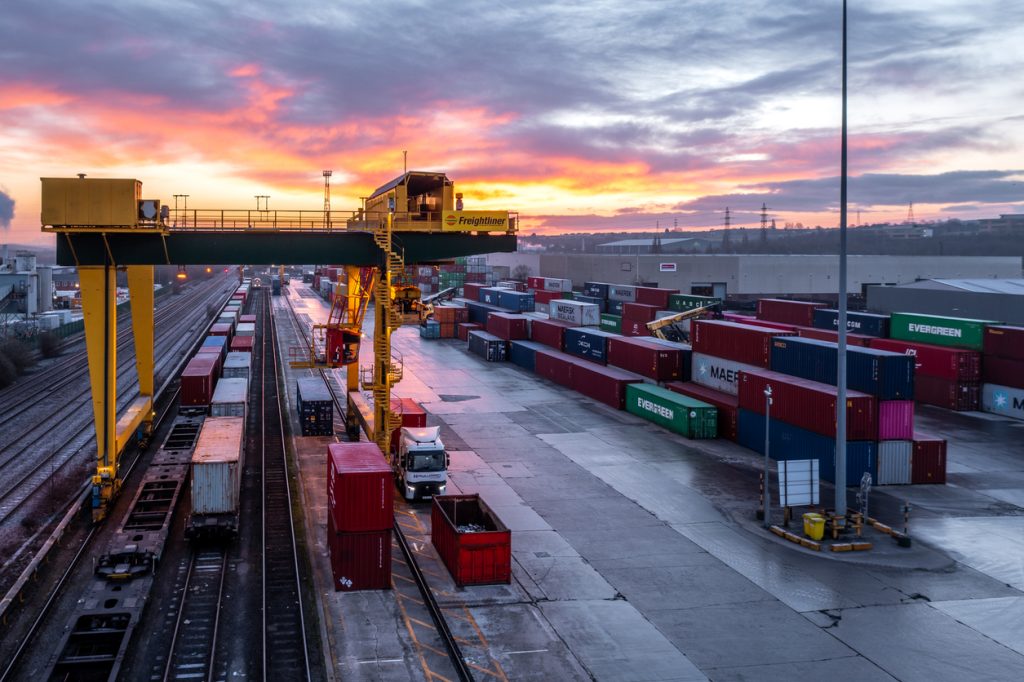
Shipping markets are dealing with several developments today that could affect freight costs, vessel movements, port operations and delivery timelines. For Nigerian importers and exporters, international route disruptions and changes in local port infrastructure are particularly important because they can influence the cost and timing of moving cargo.
Nigeria Approves Upgrades for Four South-South Ports
The Federal Government has approved the modernisation and upgrade of Onne, Rivers, Delta and Calabar ports. The programme follows earlier approvals covering Apapa and Tin Can Island ports in Lagos.
The stated objectives include improving cargo handling, reducing vessel turnaround times and creating additional gateways for international trade. Expanding port capacity beyond Lagos could also help reduce the concentration of cargo traffic around the country’s main commercial hub. (Premium Times Nigeria)
For importers, developments at these ports could eventually create more options for routing cargo depending on the location of suppliers, warehouses and final customers.
Nigeria’s Maritime Sector Pushes for Faster Legal Reforms
The Nigerian Maritime Law Association is calling for outstanding international maritime treaties to be domesticated more quickly and for stronger enforcement of existing maritime laws.
The association made the call as Nigeria marks the 2026 World Maritime Day, whose 2026–2027 theme focuses on moving from maritime policy to practical implementation. It also highlighted areas including ship registration, seafarer welfare, environmental compliance, maritime security and port efficiency. (ThisDayLive)
US Shipping Restriction on Nigerian Vessels Has Been Lifted
Nigeria’s maritime industry continues to respond to the United States Coast Guard’s decision to remove the 12-year Condition of Entry affecting vessels travelling from Nigerian ports to the United States.
NIMASA says international shipping companies have welcomed the decision. The agency has linked the development to Nigeria’s maritime security improvements. (NIMASA)
For businesses trading between Nigeria and the US, developments affecting vessel access and maritime security can be relevant when planning shipping arrangements.
Middle East Disruptions Continue to Affect Freight Costs
International shipping remains affected by instability around important Middle Eastern maritime routes.
Reuters reports that oil prices rose again today amid concerns over supply disruptions linked to tensions around the Strait of Hormuz. The report also notes that more expensive workarounds, including ship-to-ship transfers, are contributing to higher costs in some oil movements. (Reuters)
Higher fuel and freight costs can eventually affect the cost of transporting other goods through international supply chains.
Suez Canal Traffic Is Recovering
Shipping lines have been gradually increasing their use of the Suez Canal. Recent shipping industry reporting indicates that Suez Canal transits increased 27% year-on-year in August as some carriers selectively resumed Red Sea and Suez services. (FreightWaves)
However, route decisions remain sensitive to security conditions, meaning businesses should not assume that every Asia-Europe service will immediately return to its previous routing.
Shipping Costs Remain Important for Nigerian Importers
International freight costs can change because of fuel prices, vessel availability, route disruptions, port congestion, insurance requirements and seasonal demand.
A Nigerian importer calculating the cost of goods should therefore consider more than the supplier’s quoted price. The landed cost can include:
- Product purchase price
- Ocean freight
- Cargo insurance
- Customs-related charges
- Port and terminal costs
- Clearing expenses
- Inland transportation
- Warehousing
- Final delivery
Comparing the complete logistics cost can provide a more realistic picture of whether a shipment will remain profitable.
How Travo.ng Can Help With Shipping Logistics
Travo.ng can help businesses coordinate relevant logistics requirements for moving cargo, including transportation, delivery and other shipment-related arrangements.
For Nigerian importers receiving cargo through ports or other entry points, logistics coordination can help connect international shipping with inland transportation and final delivery.
Businesses can also plan their transportation requirements around cargo type, destination, delivery urgency and the number of shipments involved.
What Nigerian Importers Should Watch
Shipping conditions can change quickly, particularly when geopolitical developments affect major maritime routes.
Importers should monitor freight rates, vessel schedules, port conditions, fuel costs and route changes before committing to major shipments. They should also confirm current charges with their shipping and logistics providers rather than relying on older freight quotations.
For businesses importing into Nigeria, today’s shipping news is therefore directly connected to purchasing decisions, inventory planning and final product costs.
