


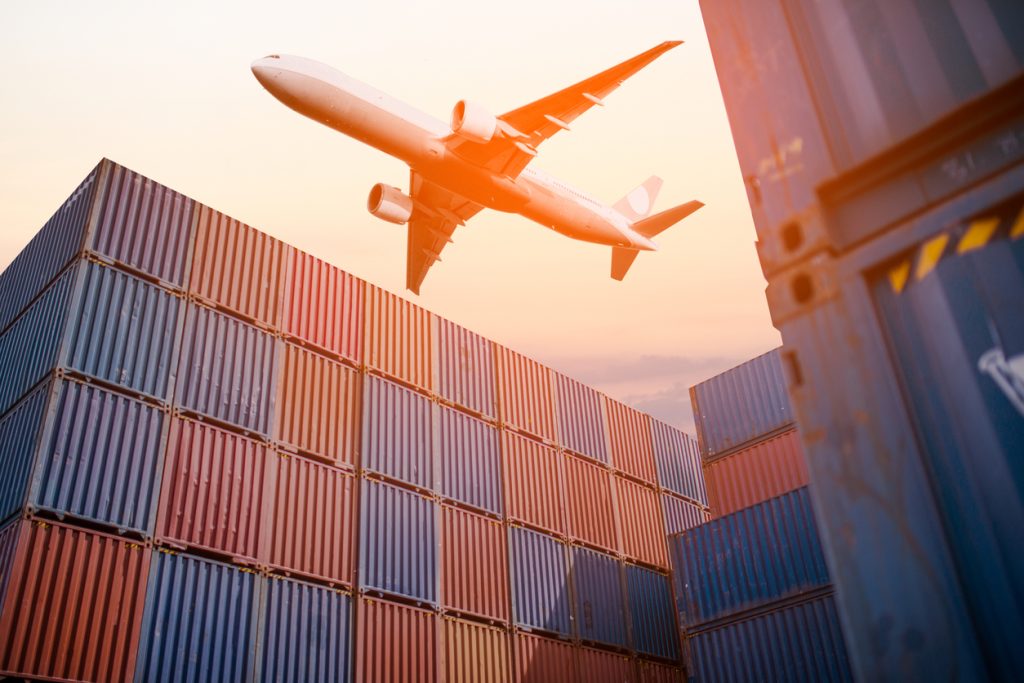
Importing goods into Nigeria can become expensive when businesses focus only on the supplier’s price. The final cost can include freight, customs duty, insurance, clearing, storage, transportation, currency conversion and other charges.
For Nigerian businesses importing from China, Dubai, Turkey, the UK and other markets, reducing import costs means controlling the entire supply chain from sourcing to final delivery.
Calculate the Full Landed Cost First
Before placing an order, calculate what the product will actually cost after reaching Nigeria.
Include:
- Supplier price
- International freight
- Insurance
- Customs duty and applicable taxes
- Port and terminal charges
- Clearing expenses
- Inspection costs
- Local transportation
- Warehousing
- Payment and currency conversion charges
This prevents a common mistake where an importer chooses a supplier because the product is cheap but discovers later that the total landed cost makes the business unprofitable.
Negotiate With Suppliers
Supplier negotiation can reduce the purchase price, particularly when you have a clear understanding of your expected order volume.
Instead of negotiating only the unit price, discuss:
- Minimum order quantity
- Bulk discounts
- Packaging
- Payment terms
- Production time
- Product specifications
- Warranty or replacement arrangements
Compare multiple suppliers before making a decision. The lowest quotation is not necessarily the lowest total cost if quality and logistics expenses are higher.
Use the Correct HS Code
Product classification is directly connected to import duty. Nigeria Customs states that the tariff classification determines the applicable duty rate and other import requirements. (Nigeria Customs Service)
Before ordering, identify the appropriate HS code for the product and check the applicable tariff.
Do not deliberately use an incorrect classification to reduce duty. Nigeria Customs requires importers to exercise reasonable care when declaring classification, valuation and origin, and false or negligent declarations can attract penalties. (Nigeria Customs Service)
Check Customs Valuation Before Importing
Customs duty is not always calculated simply from the supplier’s invoice price.
Nigeria Customs’ current valuation guidance explains that the customs value can include certain costs such as transport to the Nigerian port, handling, insurance, packing and other specified additions where applicable. (Nigeria Customs Service)
Understanding valuation before purchasing helps you estimate the actual import cost more accurately.
Compare Air, Sea and Consolidated Freight
The right shipping method can make a major difference.
For example:
- Air freight can suit urgent or relatively small shipments.
- LCL can suit cargo that does not require a full container.
- FCL can make sense for larger volumes.
- Consolidation can combine compatible shipments from different suppliers.
Compare the total logistics cost, not just the advertised freight rate.
Consolidate Orders Where Practical
If you purchase from several suppliers in the same country, consider whether the goods can be consolidated before shipping to Nigeria.
For example, an importer buying from multiple suppliers in China may arrange for the goods to move to one warehouse before being shipped together.
This can reduce the number of separate shipments and improve cargo coordination. However, storage and handling charges should be included when comparing the options.
Reduce Packaging and Shipping Volume
Packaging takes up space, and unnecessary volume can increase freight costs.
Discuss packaging requirements with suppliers before production. Look at:
- Carton dimensions
- Number of units per carton
- Pallet configuration
- Excess packaging
- Stackability
- Protective materials
The aim is to reduce wasted space without compromising product safety.
Verify Suppliers Before Paying
A supplier problem can become an import-cost problem.
Poor-quality goods may require replacement shipments, refunds, additional inspections or emergency freight. Verify suppliers before committing to large orders and request samples where appropriate.
For expensive or large-volume purchases, independent inspection before shipment can help identify quality or quantity problems while the goods are still at the origin.
Plan Your Inventory
Last-minute orders can force businesses into expensive shipping options.
If you know that stock will be needed in two months, waiting until the existing inventory is almost finished may leave you with little choice except urgent air freight.
Better inventory forecasting gives you more time to compare freight options and consolidate cargo.
Avoid Unnecessary Port and Storage Costs
Import costs can continue accumulating after the vessel arrives.
Prepare documentation early, coordinate with your clearing agent and make sure transport arrangements are ready before the cargo becomes available.
Avoidable storage, demurrage, truck waiting charges and additional handling can quickly reduce the savings achieved through supplier negotiations.
Use Advance Rulings for Complex Imports
For products where classification, valuation or origin is unclear, Nigeria Customs provides an advance ruling system.
An advance ruling can provide a binding decision before importation on issues including tariff classification, customs valuation and origin, helping businesses obtain greater predictability before committing to a transaction. (Nigeria Customs Service)
This can be particularly useful for complex products or high-value imports where an incorrect assumption could create significant additional costs.
Compare Clearing and Logistics Charges
Do not look only at the initial clearing quotation.
Ask for a clear breakdown of the services and charges involved. Compare providers based on their experience, transparency, communication and ability to coordinate delivery.
A very low initial quote can become expensive if numerous additional charges appear later.
Monitor Currency Costs
Currency movements can change the naira cost of an overseas purchase between the time you receive a quotation and the time you make payment.
Before confirming an order, calculate the expected naira cost and consider the exchange-rate risk involved.
Also compare legitimate payment channels and their transaction charges while maintaining the documentation required for the import.
How Travo.ng Can Help With Import Cost Reduction
Travo.ng can help Nigerian businesses coordinate the logistics side of international imports.
Depending on the shipment, this can include freight coordination, cargo consolidation, transportation planning, delivery arrangements and coordination between suppliers and logistics providers.
Planning these arrangements before placing an order can help businesses estimate freight and delivery expenses more accurately and avoid unnecessary logistics costs.
Create a Cost-Controlled Import Process
Reducing import costs should be an ongoing process rather than a single attempt to negotiate a cheaper supplier.
A practical approach is to:
- Verify the supplier.
- Negotiate the purchase price.
- Confirm the correct HS classification.
- Calculate customs valuation and applicable duties.
- Compare freight options.
- Consolidate compatible shipments.
- Reduce unnecessary packaging volume.
- Plan inventory early.
- Prepare import documents before arrival.
- Compare clearing and delivery charges.
- Track the actual landed cost after every shipment.
The goal is not simply to pay the lowest possible amount at one stage. It is to achieve a predictable and commercially viable landed cost from the supplier’s warehouse to the final customer in Nigeria.
