


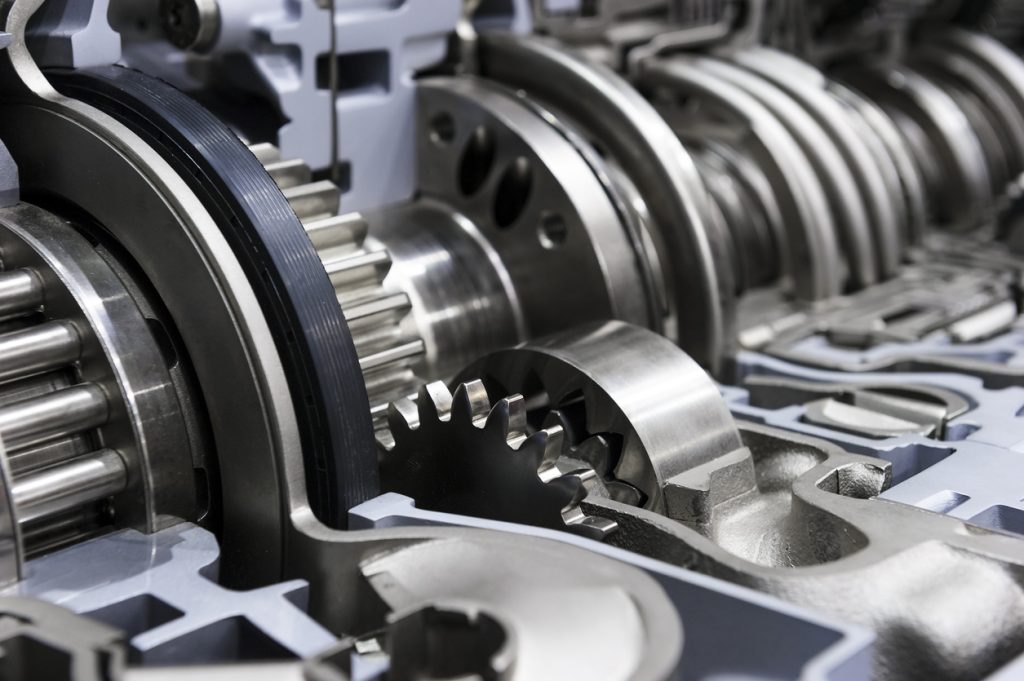
Importing auto parts into Nigeria can be an opportunity for spare-parts dealers, mechanics, vehicle distributors and automotive businesses that need replacement components in commercial quantities.
Auto parts can be sourced from markets such as China, Dubai, the United Kingdom, Japan, the United States, Turkey and other automotive supply centres. However, successful importing requires careful product identification, supplier verification, quality control, customs preparation and logistics planning.
What Auto Parts Can Be Imported?
Nigerian businesses can source a wide range of automotive components, including:
- Brake pads and discs
- Filters
- Shock absorbers
- Suspension components
- Alternators and starters
- Batteries
- Engine components
- Clutch parts
- Steering components
- Electrical and electronic parts
- Body panels
- Vehicle lights
- Tyres and wheels
- Replacement accessories
The correct product specification is important because many parts are vehicle-specific. A part that looks similar to another may not fit or perform correctly.
Where to Source Auto Parts
China is widely used for aftermarket and replacement parts, while countries such as Japan, the UK, the UAE and the US can provide access to different categories of genuine, used or aftermarket components.
Before choosing a supplier, compare the manufacturer’s information, product specifications, quality level, minimum order quantity, warranty terms and previous export experience.
For branded parts, verify authenticity carefully. A low quotation can become expensive if the shipment contains counterfeit, incompatible or poor-quality components.
Check the Exact Vehicle Compatibility
One of the biggest risks when importing auto parts is ordering the wrong specification.
Before placing an order, confirm details such as:
- Vehicle make
- Model
- Model year
- Engine type
- Engine size
- Chassis or part number
- Left-hand or right-hand configuration where relevant
- Quantity required
For wholesale purchases, testing samples before placing a large order can help identify compatibility and quality issues early.
Calculate the Landed Cost
The supplier’s price is not the final cost of imported auto parts.
A Nigerian importer should consider:
- Product purchase price
- Supplier or sourcing fees
- Local transportation at origin
- Inspection and consolidation
- Air or sea freight
- Insurance where applicable
- Customs duties and taxes
- Port or airport charges
- Clearing expenses
- Local transportation
- Final delivery
This is especially important for bulky parts and large wholesale shipments, where freight and inland transportation can significantly affect the final selling price.
Air Freight or Sea Freight?
Air freight can be useful for smaller or urgent auto-parts shipments. A mechanic or distributor waiting for a particular replacement component may value speed enough to justify the higher transportation cost.
Sea freight is generally more suitable for larger wholesale orders. Businesses importing cartons or substantial quantities of parts can use containerised shipping to reduce transportation costs per unit.
The best option depends on the size of the shipment, urgency, product value and available budget.
Customs and Regulatory Requirements
Importers should confirm the applicable Nigerian customs classification and regulatory requirements before shipping auto parts.
Nigeria Customs’ import guidance identifies documents such as the proforma invoice, Form M, commercial invoice, packing list and other supporting documents as part of the import process, while applicable regulated products may require SONCAP documentation. (Nigeria Customs Service)
SON states that SONCAP applies to regulated imported products and that the relevant Product Certificate and SONCAP Certificate are required for applicable imports and customs clearance. (Son)
Requirements can differ according to the particular auto part, its condition and classification, so businesses should confirm the requirements for the exact products they intend to import.
New vs Used Auto Parts
New parts can provide greater consistency in quality and availability, particularly when purchased from established manufacturers or distributors.
Used parts can sometimes provide a lower purchase cost, but the importer should establish their condition, source, compatibility and expected service life before buying in bulk.
SON’s current guidance specifically distinguishes automobiles from other used products in its SONCAP framework, so importers should not assume that every used automotive product follows the same procedure. (Son)
Common Auto Parts Import Mistakes
Importers can lose money by:
- Buying without confirming part numbers
- Choosing suppliers solely on price
- Failing to verify genuine products
- Ordering large quantities before testing demand
- Underestimating freight and customs costs
- Ignoring applicable standards
- Mixing different product specifications
- Failing to arrange transportation after clearance
Quality control is particularly important because defective parts can lead to customer complaints, returns and reputational damage.
How Travo.ng Can Help With Auto Parts Imports
Travo.ng can help businesses coordinate the logistics involved in bringing auto parts into Nigeria, including cargo transportation and onward delivery arrangements.
For example, an importer receiving a shipment through a Nigerian port or airport may need to move the parts to a spare-parts shop, warehouse or distribution centre in Lagos or another Nigerian city.
Coordinating international freight with domestic transportation can make it easier to plan the complete journey from the overseas supplier to the final business location.
Planning Your Auto Parts Import
Before paying a supplier, confirm the exact part specifications, quantity, quality level, supplier details and shipping terms.
Calculate the complete landed cost and check the applicable customs and regulatory requirements before the goods leave the country of origin.
For Nigerian auto-parts businesses, successful importing depends on getting the right products at the right quality and total cost, then moving them efficiently through customs and onward to the warehouse, shop or customer.
