


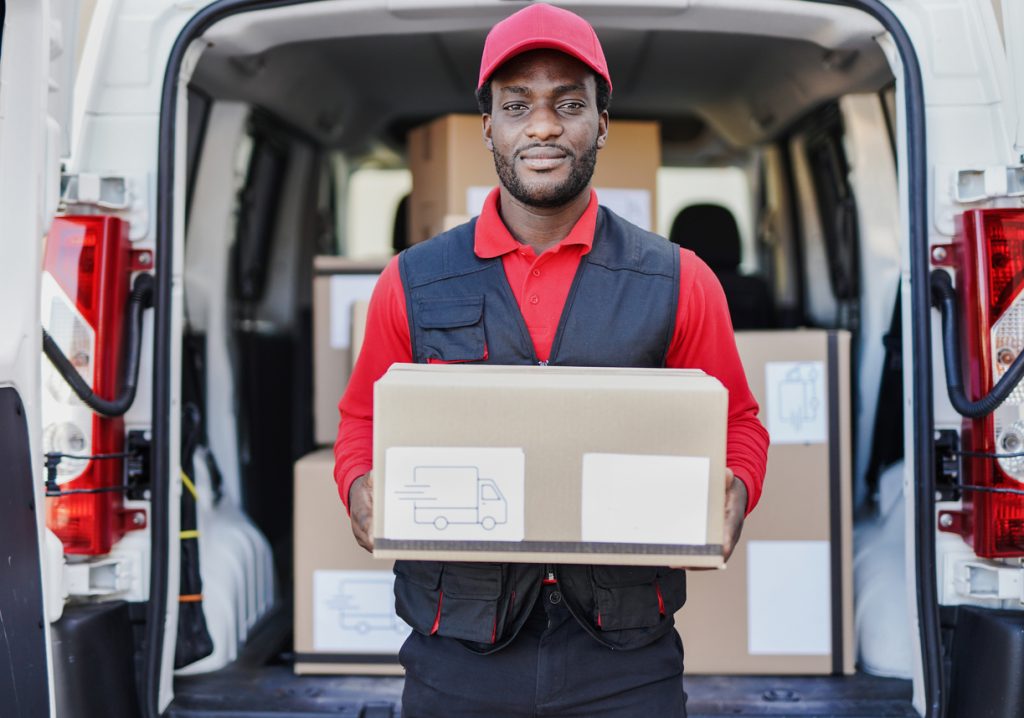
Return logistics in Nigeria is becoming a serious part of how businesses serve customers, especially with the growth of online shopping, interstate delivery, food supply, retail distribution, and business-to-business logistics. It is no longer enough to deliver an item once and forget about it. Customers may need to return faulty goods, exchange wrong sizes, send back office equipment, move unsold stock, or return cargo from another city.
For many Nigerian businesses, the main problem is not accepting returns. The real challenge is moving returned items safely, quickly, and at a reasonable cost. That is where proper planning, reliable pickup coordination, and a logistics partner like Travo.ng can make the process less stressful.
What Return Logistics Really Means in Nigeria
Return logistics simply means moving goods from the customer, branch, vendor, or delivery point back to the seller, warehouse, office, or another approved location.
In Nigeria, this can involve:
- Picking up a wrong item from a customer in Lekki and returning it to a store in Yaba
- Moving rejected cargo from Abuja back to Lagos
- Collecting faulty electronics from a buyer in Port Harcourt
- Returning unsold stock from a retail outlet to a warehouse
- Handling exchange deliveries for fashion, phones, accessories, or home items
It sounds simple, but anyone who has managed deliveries in Lagos traffic or coordinated interstate transport knows it requires more than just “send a rider.”
Why Returns Are Often Difficult for Nigerian Businesses
Many businesses focus heavily on first-time deliveries but do not prepare properly for returns. This creates delays, customer complaints, and extra transport costs.
Common issues include poor pickup timing, unclear return addresses, unavailable customers, damaged packaging, unpaid return fees, and lack of tracking. In cities like Lagos, Abuja, Ibadan, Benin, and Port Harcourt, traffic and distance can also affect how fast an item gets back.
For example, a same-day pickup from Victoria Island to Ikeja may be possible if booked early. But if the request comes late in the day, traffic around Third Mainland Bridge, Oshodi, or Maryland can push the return to the next working day. For interstate returns, Lagos to Abuja or Lagos to Port Harcourt can usually take one to three days depending on cargo type, vehicle availability, and dispatch schedule.
How Much Return Logistics Can Cost
Return delivery pricing in Nigeria depends on distance, item size, urgency, and whether the movement is within a city or across states.
A small parcel return within Lagos may cost less than moving bulky office equipment from Abuja to Lagos. Same-day motorcycle pickup within a busy area like Lekki, Ikeja, Surulere, or Yaba may also cost more during peak traffic periods.
Typical cost factors include:
- Pickup and drop-off locations
- Weight and size of the item
- Fragility of the goods
- Urgency of pickup
- Need for vehicle hire or cargo handling
- Interstate transport route
- Extra waiting time at pickup point
With Travo.ng, businesses and individuals can arrange courier services, delivery support, cargo logistics, and transport coordination based on the actual return need instead of guessing the best option.
When Businesses Need Return Logistics Support Most
Return logistics becomes very important during busy sales periods. Black Friday, festive seasons, school resumption periods, end-of-month stock movement, and major promo campaigns often lead to higher delivery and return volumes.
Fashion sellers may deal with wrong sizes. Electronics vendors may need to collect faulty items. Supermarkets and suppliers may need to move damaged or unsold goods back to distributors. Corporate offices may need to return equipment after events, relocations, or temporary projects.
In these cases, having a dependable logistics process helps protect customer trust. A delayed return can make a customer feel ignored, even if the original delivery was fast.
What to Confirm Before Scheduling a Return Pickup
Before booking return logistics in Nigeria, it helps to confirm the details clearly. Many failed pickups happen because basic information was missing.
Check the following:
- Customer name and phone number
- Exact pickup address with nearby landmark
- Return destination
- Item description and condition
- Package size and weight
- Who is paying the return cost
- Preferred pickup time
- Whether the item is fragile, sealed, or high-value
For interstate returns, also confirm whether the item should go by cargo, bus transport, private vehicle, or dedicated logistics movement. A carton of clothes may not need the same handling as laptops, documents, furniture, or medical supplies.
How Travo.ng Helps With Return Logistics in Nigeria
Travo.ng supports practical logistics needs for individuals and businesses across Nigeria. Depending on the request, customers can arrange courier services, delivery pickups, cargo logistics, transport coordination, relocation support, airport pickup, hotel booking, vehicle hire, and business logistics assistance.
For return logistics, this means you do not have to manage every rider, driver, route, and customer call by yourself. Travo.ng can help coordinate the movement so returned goods get to the right place with less confusion.
A business in Lagos can schedule parcel returns from customers. A company in Abuja can arrange cargo movement back to a supplier. A customer who received the wrong item can request pickup support instead of struggling to find a reliable dispatch option.
A Better Way to Manage Returns
Good return logistics in Nigeria is not just about moving items backwards. It is about protecting customer relationships, reducing losses, and keeping business operations organized.
Whether you run an online store, manage corporate deliveries, sell across different states, or need to return cargo after a trip or event, planning the return process properly saves time and money.
Travo.ng gives customers and businesses a practical way to book logistics, delivery, cargo movement, and transport support without starting from scratch every time there is a return request. For Nigerian businesses that want smoother operations and happier customers, a reliable return process is no longer optional. It is part of doing business properly.
