


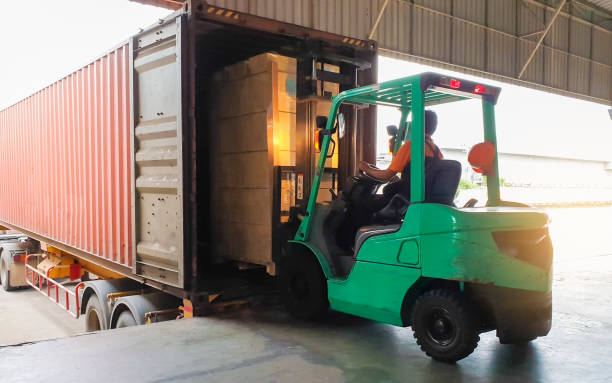
International freight services help businesses move goods between countries by coordinating transportation, documentation, cargo handling and delivery. For Nigerian importers and exporters, choosing the right freight arrangement can affect shipping costs, delivery timelines and the overall success of a transaction.
Whether a business is bringing products from China into Lagos or sending Nigerian goods to another international market, freight planning should cover the entire journey rather than only the ocean or air transportation stage.
What are international freight services?
International freight services cover the coordination of commercial cargo as it moves between countries.
Depending on the shipment, services may involve:
- Ocean freight
- Air freight
- Road transportation
- Cargo consolidation
- Freight documentation
- Customs coordination
- Port or airport handling
- Warehousing
- Inland transportation
- Final delivery
The appropriate option depends on the cargo’s size, weight, value, destination and required delivery time.
Ocean freight for Nigerian importers
Ocean freight is commonly used for larger commercial shipments because vessels can carry substantial volumes of cargo.
A typical import may involve a supplier loading goods overseas, a shipping line transporting the cargo to Nigeria, port handling and customs processing, followed by inland transportation to the importer.
Businesses should remember that the quoted sea freight cost does not necessarily represent the complete landed cost. Port charges, customs-related expenses, handling, storage, transportation and delivery may also apply.
Air freight for time-sensitive cargo
Air freight is generally suited to shipments where speed is more important than the lower cost often associated with ocean transportation.
Examples can include urgent commercial samples, certain electronics, documents, spare parts and other relatively high-value or time-sensitive goods.
However, businesses should compare the total cost of air freight with the value and urgency of the shipment before choosing it.
Customs and documentation
International freight involves more than physically moving cargo.
Importers and exporters need accurate documentation and must comply with the customs and regulatory requirements of the countries involved.
For Nigerian imports, the Nigeria Customs Service handles customs administration, including import and export controls, customs duties and cargo-related procedures. (customs.gov.ng)
Documents can vary according to the cargo and transaction but may include commercial invoices, packing information, bills of lading or air waybills, certificates and applicable permits.
Businesses should confirm the requirements before the shipment leaves the supplier.
Choosing the right freight option
There is no single freight method that works for every shipment.
Businesses should consider:
- Cargo weight and volume
- Product type
- Destination
- Delivery deadline
- Shipping frequency
- Budget
- Customs requirements
- Risk of delays
- Final delivery location
For example, shipping a large quantity of relatively low-value goods by air may create unnecessary costs, while sending urgent lightweight components by sea could create avoidable delays.
Freight costs and landed cost
A freight quotation should be examined carefully.
Businesses should find out what the quoted price covers and which costs are excluded. Depending on the shipment, additional charges may arise from handling, customs, storage, port or airport processing and inland transportation.
Calculating the estimated landed cost before placing an order helps importers determine whether the transaction remains commercially viable after logistics expenses are included.
Common international freight mistakes
New importers can run into problems by choosing a freight option based only on the lowest initial quotation.
Other common mistakes include providing incorrect cargo information, failing to prepare documentation, underestimating customs costs and waiting until cargo arrives before arranging inland transportation.
Another issue is promising customers a delivery date based only on the estimated arrival of the vessel or aircraft.
International shipments can encounter delays at ports, airports, customs or during inland transportation, so realistic delivery windows are important.
How Travo.ng Can Help With International Freight
Travo.ng can help businesses coordinate the logistics surrounding international cargo movements.
For Nigerian importers, this can include coordinating cargo logistics and transportation after goods arrive at a Nigerian entry point and are ready to move toward their warehouse, business location or customer.
Travo.ng can also support delivery coordination for commercial goods moving between logistics facilities and different Nigerian destinations.
Businesses still need the appropriate shipping lines, freight forwarders, customs agents and regulatory authorities for specialised international freight and formal customs processes. Travo.ng can complement these stages by helping coordinate the transportation and delivery side of the supply chain.
Planning international freight from origin to destination
International freight works best when the entire journey is considered before the shipment begins.
Businesses should confirm the cargo details, compare suitable transportation options, understand the documentation requirements and calculate the expected landed cost.
Once the international transportation stage is planned, businesses should also prepare for customs processing, cargo collection and final delivery.
For Nigerian businesses importing or exporting commercial goods, coordinated freight and logistics planning can make international shipments easier to manage and help reduce avoidable delays and unexpected costs.
