


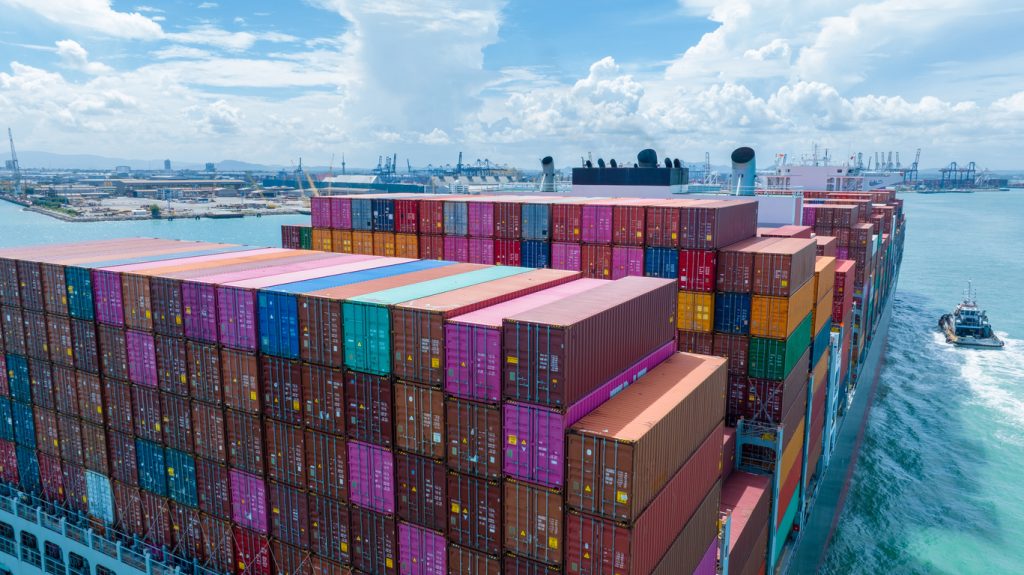
Importing a container from China to Nigeria involves much more than finding a supplier and paying for goods. Before the container is loaded, the importer needs to understand the product, supplier, shipping method, customs requirements, total landed cost and final delivery arrangements.
Here is how a properly planned container import can work from the first supplier conversation to delivery in Nigeria.
We Started With the Product, Not the Container
The first mistake a new importer can make is deciding to buy a full container simply because the supplier offers a good price.
We started by identifying the products we wanted to sell and checking whether there was enough demand in Nigeria.
We looked at:
- Current selling prices in Nigeria
- Number of competing sellers
- Expected profit per unit
- Product quality
- Minimum order quantity
- Product weight and volume
- Whether the goods were restricted or required special approval
- Expected shipping and customs costs
This helped us avoid filling an entire container with products that might be difficult to sell.
We Found and Verified the Chinese Supplier
After deciding what to import, the next step was finding a supplier.
A supplier’s online price is not enough. We needed to establish whether the business actually existed and whether it could supply the required quantity and quality.
We compared several suppliers and asked for:
- Company details
- Product specifications
- Factory or warehouse information
- Product photographs and videos
- Samples where necessary
- Minimum order quantity
- Packaging details
- Production timeline
- Payment terms
- Shipping information
For a large order, checking samples before committing to a full container can prevent an expensive mistake.
We Calculated the Landed Cost Before Paying
The supplier’s quotation was only the beginning.
We calculated the expected cost of getting the goods from China to their final destination in Nigeria.
The calculation included:
Product cost + international freight + insurance + customs duties and taxes + port and clearing charges + inland transportation + other applicable costs
Customs valuation in Nigeria generally uses transaction value as the primary method when the relevant conditions are met, with specified additions such as transport, handling and insurance to the Nigerian place of importation where applicable. (Nigeria Customs Service)
This calculation helped us understand whether the final Nigerian selling price could leave enough margin.
We Prepared the Import Documentation
Before the goods were shipped, the necessary documentation had to be prepared.
Depending on the goods and transaction, this can include the proforma or commercial invoice, packing list, insurance documentation, Bill of Lading and applicable regulatory certificates.
Nigeria Customs’ published import guidance identifies pre-shipment preparation, Form M, applicable regulatory certificates and supplier documentation as important parts of the import process. (Nigeria Customs Service)
The exact requirements depend on the product, so we did not assume that every type of cargo could use the same documentation.
We Checked the HS Code and Import Requirements
One of the most important parts of the process was identifying the correct HS classification for the products.
The HS code affects the applicable tariff treatment and therefore affects the calculation of customs duty.
Nigeria Customs currently provides a tariff and CET lookup system for checking classifications and applicable tariff information. (NCS Tariff & CET Lookup Portal)
Getting this wrong can create problems during customs processing, so product descriptions should be specific rather than vague.
For regulated products, we also checked whether additional approvals or certificates were required before shipment.
We Completed the Pre-Shipment Process
For a normal commercial import, the importer needs to complete the relevant pre-shipment requirements before the goods are shipped.
The Nigeria Customs Service’s current guidance identifies the Form M process through an authorised dealer bank and the subsequent PAAR process as part of import processing. (Nigeria Customs Service)
This is one reason an importer should not wait until the container has already arrived before thinking about documentation.
Problems discovered before shipment are generally easier to address than problems discovered after a container is sitting at a Nigerian port.
We Chose Ocean Freight for the Containers
For a full container shipment from China, ocean freight is normally the practical transportation method because of the volume involved.
The choice of port and shipping route can affect the overall cost and delivery timeline.
Before booking, we compared the available freight options and confirmed:
- Container size
- Shipping line
- Port of loading
- Nigerian destination port
- Freight charges
- Expected sailing schedule
- Free-time terms
- Destination charges
- Documentation requirements
The cheapest freight quotation is not necessarily the cheapest overall option if it comes with expensive destination charges or an unsuitable schedule.
The Supplier Loaded the Container
After payment arrangements and production were completed, the supplier prepared the goods for shipment.
Before loading, we checked the quantity and packaging as much as possible.
For a large shipment, this stage is important because correcting a wrong product or missing quantity after the container has left China can be extremely difficult.
The supplier then provided the shipping documentation needed for the next stage of the transaction.
The Container Arrived in Nigeria
Once the vessel arrived, the import process moved into the Nigerian clearance stage.
Customs assessment depends on the declaration, classification and customs valuation rules applicable to the shipment.
The Nigeria Customs Service states that it assesses and collects customs duties and other applicable taxes and enforces import restrictions and prohibitions. (Nigeria Customs Service)
At this stage, the importer or authorised representative needs to make sure the declaration and supporting documents are accurate.
We Planned for More Than Customs Duty
One lesson from importing containers is that customs duty is not the only expense after arrival.
The importer may also need to account for:
- Terminal charges
- Clearing and handling costs
- Storage
- Demurrage where applicable
- Documentation charges
- Transportation
- Warehouse expenses
- Delivery to customers
This is why we calculated the landed cost before placing the order.
A shipment can look profitable when viewed from the supplier’s invoice but produce a very different result after all the Nigerian costs are included.
We Arranged Transportation After Clearance
Once the goods were ready to leave the port, we needed a reliable transportation plan.
This could involve moving the container or cargo from the port to a warehouse and subsequently distributing individual orders to customers.
The transportation stage should be planned before the container arrives, rather than searching for a vehicle at the last minute.
How Travo.ng Can Support Container Importers
Travo.ng can support the transportation and delivery side of the import process.
For example, after an importer’s cargo has completed the necessary clearance procedures, Travo.ng can help with relevant cargo transportation, vehicle hire and onward delivery coordination where applicable.
An importer receiving goods through a Nigerian port may need to move those goods to a warehouse, shop, factory or customer. Having this part of the logistics chain planned in advance makes the final stage of the import process easier to coordinate.
Travo.ng is not a customs authority, bank or licensed customs agent. Importers still need the appropriate customs and regulatory professionals for declarations, assessments and compliance.
Its role is to support the movement of goods and related logistics once transportation arrangements are required.
What We Would Do Differently on the Next Container
After completing one container shipment, the next order should not simply be a bigger version of the first.
We would review:
- Which products sold fastest
- Which products generated the best margin
- Actual shipping costs
- Actual customs and clearance expenses
- Supplier performance
- Product quality
- Delivery time
- Unexpected charges
- Customer demand
- Cash tied up in inventory
This information makes the next import more informed.
If a product sold quickly and the supplier performed well, increasing the order may make sense. If part of the container remained unsold, ordering even more may create unnecessary cash-flow pressure.
The Biggest Lesson From Importing Containers From China
The biggest lesson is that importing a container is a complete supply-chain project, not simply an overseas purchase.
The process starts with product research and supplier verification. It continues through cost calculation, documentation, customs compliance, international shipping and final delivery.
The most important calculation is not “How cheap can I buy this in China?”
It is:
“How much will this product cost me by the time it is ready to sell in Nigeria, and can I realistically sell it at a profitable price?”
Once that number is understood, decisions about supplier, container size, shipping method, financing and logistics become much easier to make.
